The state must stop vigilante groups that are unlawfully targeting migrants, business owners and communities, Amnesty International South Africa said today.
The reported ongoing harassment of people on the grounds of their nationality or because of their perceived immigration status, often taking the form of illegal requests for identification documents, intimidation, forced eviction from businesses and homes, and public shaming constitutes a violation of human rights and the rule of law.
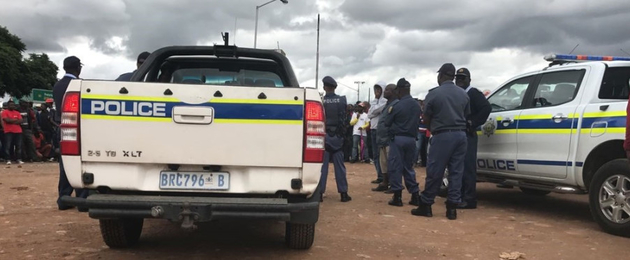
At times, this happens while police officers accompanying protesters on their route stand by while suspected undocumented migrants are pulled from their homes, and their possessions damaged or looted.
There has been a growing normalisation of vigilantism in communities across the country. Videos circulating on social media and media reports suggest that acts that would once have been considered unacceptable are increasingly being tolerated, and in some instances celebrated.
“The failure of the state to act decisively against these groups has created a dangerous impression that people have the right to violate the rights of others simply because of their nationality or perceived immigration status,” said Amnesty International South Africa’s Executive Director Shenilla Mohamed.
“Although the government has made it clear that it will not tolerate illegal identity checks, acts of intimidation and vigilante behaviour, such abuses are still taking place. Authorities must move beyond statements of concern and demonstrate through effective investigations, prosecutions and accountability measures that no person or group is above the law.”
Allegations of police failures to stop illegal behaviour or their complicity must be thoroughly investigated and any wrongdoing met with suitable disciplinary and criminal proceedings.
The Immigration Act is clear: no private individual or group has the legal authority to conduct immigration enforcement, demand documents from members of the public, enter private property, or remove people from their homes or businesses. Only immigration officers and members of the South African Police Service are legally authorised to do this. Such conduct undermines the rule of law and threatens the constitutional rights of everyone living in South Africa.
Business owners have the right to conduct their livelihoods free from intimidation, harassment and disruption. Equally, every person living in South Africa has the right to dignity, and freedom and security, regardless of whether they are citizens, documented migrants, asylum seekers or undocumented migrants.
“Human dignity has no nationality and we cannot allow the unfettered violation of rights to continue,” Shenilla Mohamed said.
Where concerns exist about a person’s immigration status, these must be addressed through lawful procedures that respect constitutional rights and human dignity. Even where individuals may be found to be undocumented, they remain entitled to rights protected under the Constitution and international human rights law, including due process, dignity and protection from violence and abuse.
Amnesty International South Africa along with other civil society organisations have repeatedly warned that inflammatory rhetoric, anti-migrant mobilisation and weak state responses risk fuelling discrimination, violence and further human rights violations.
“South Africa’s constitutional democracy is founded on human dignity, equality and the rule of law. These principles must be protected for everyone,” Shenilla Mohamed said.
Background
The current wave of anti-migrant protests and intimidation escalated in the lead up to the unlawful 30 June deadline set by March and March for undocumented migrants to leave South Africa.
Although the 30 June deadline has passed, related anti-migrant protests have continued. Leaders of March and March said it would hold nationwide marches every Thursday to keep its momentum going.
South Africa experienced devastating xenophobic violence in 2008, during which 62 people were killed, including 21 South African citizens and 41 foreign nationals. Since then, there have been recurring outbreaks of anti-migrant violence, intimidation and protests, underscoring the persistent threat posed by xenophobia and the need for decisive action by the authorities. The failure to adequately address the root causes of xenophobia and hold perpetrators accountable has contributed to these recurring incidents.
For more information or to request an interview, please contact:
Genevieve Quintal, Media and Communications Officer, Amnesty International South Africa: +27 (0)64 890 9224; genevieve.quintal@amnesty.org.za