Decades after the end of apartheid, intersecting crises of gender-based violence and femicide (GBVF) and failing service delivery continue to trap women in cycles of poverty, risk, and inequality, Amnesty International South Africa said today.
As South Africa commemorates Women’s Day, constitutional rights to dignity, safety, and basic services remain unfulfilled for millions of women and girls.
“Women should not have to navigate a daily trade-off between their safety, dignity and basic needs. As South Africa marks Women’s Day the state must move beyond commitments and deliver tangible improvements that transform the realities women face in their communities every day,” Amnesty International South Africa Executive Director Shenilla Mohamed said.
The most recent quarterly crime statistics (January 2026 – March 2026), recorded 9,782 reported rapes, while this was down by 8.5% from the same time last year, this still amounts to around 108 rapes a day. The total number of sexual offences reported were 12,590.
However, the full scale of violence against women remains unclear. In August 2025, the South African Police Service (SAPS) suspended publication of disaggregated crime data, including statistics related to murder and assault of women and children, citing accuracy concerns that required investigation before the matter was resolved.
“Reliable data is not a technical detail, it is a prerequisite for accountability,” Shenilla Mohamed said.
“When critical information about the killings and assaults of women is missing from official statistics, it undermines efforts to prevent violence, allocate resources effectively and hold those responsible to account.”
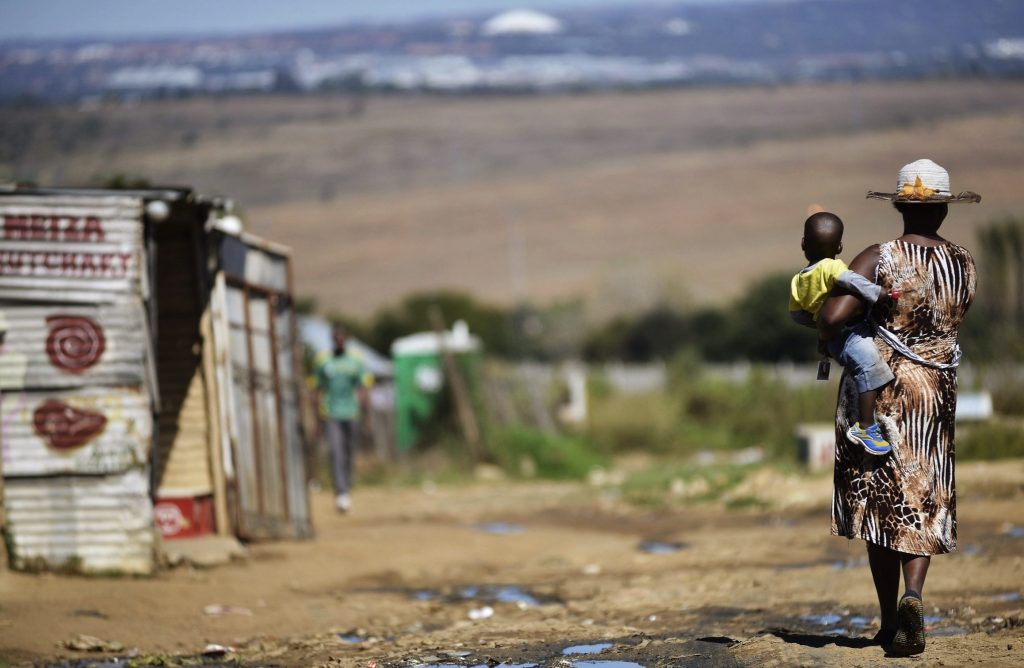
Beyond the violence, failures in basic service delivery continue to place women at risk. Inadequate access to water, sanitation and other essential services disproportionately impacts women and girls, exposing them to heightened insecurity and limiting their ability to live with dignity.
More than one million households do not have access to safe drinking water. In 2025, 56.8% of households suffered water interruptions lasting at least two days or exceeding 15 days. Nearly half (47%) of municipal water systems are now in a critical state. Meanwhile, around 3.6 million households do not have access to basic sanitation and 155,000 households use bucket toilets. In informal settlements, these failures force women to walk long distances or use unsafe facilities at night, dramatically increasing exposure to crime and sexual violence.
“Violence against women does not occur in isolation. It is exacerbated by the conditions many women are forced to endure every day, including unreliable access to water, sanitation, electricity and safe public spaces. Addressing gender-based violence requires confronting these systemic failures and ensuring that women can access essential services safely and with dignity,” Shenilla Mohamed said.
Amnesty International South Africa calls on the government to take the issues facing women seriously by ensuring transparent reporting, strengthening accountability for perpetrators, and implementing concrete measures to address the structural inequalities that place women at risk.
“Women’s rights are human rights, and advancing them demands sustained action beyond the month of August,” Shenilla Mohamed said.
Background
On 9 August 1956, approximately 20,000 women marched to the Union Buildings in Pretoria to protest against apartheid “pass laws” which restricted the movement of black people under the Population Registration Act. The Act required them to carry passports, known as a pass, to move within the country, and served to entrench and maintain racial segregation.
For more information or to request an interview, please contact:
Genevieve Quintal, Media and Communications Officer, Amnesty International South Africa: +27 (0)64 890 9224; genevieve.quintal@amnesty.org.za