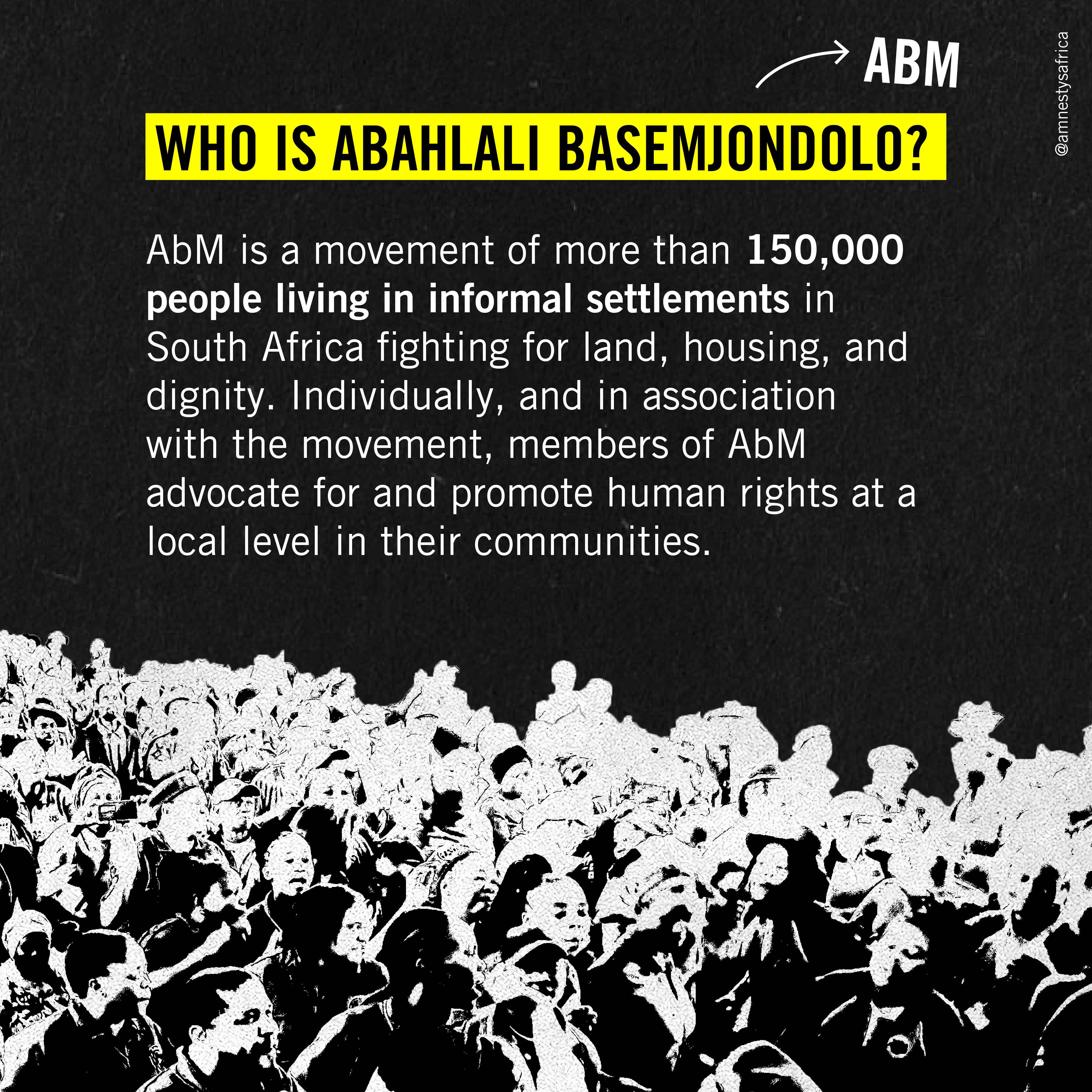
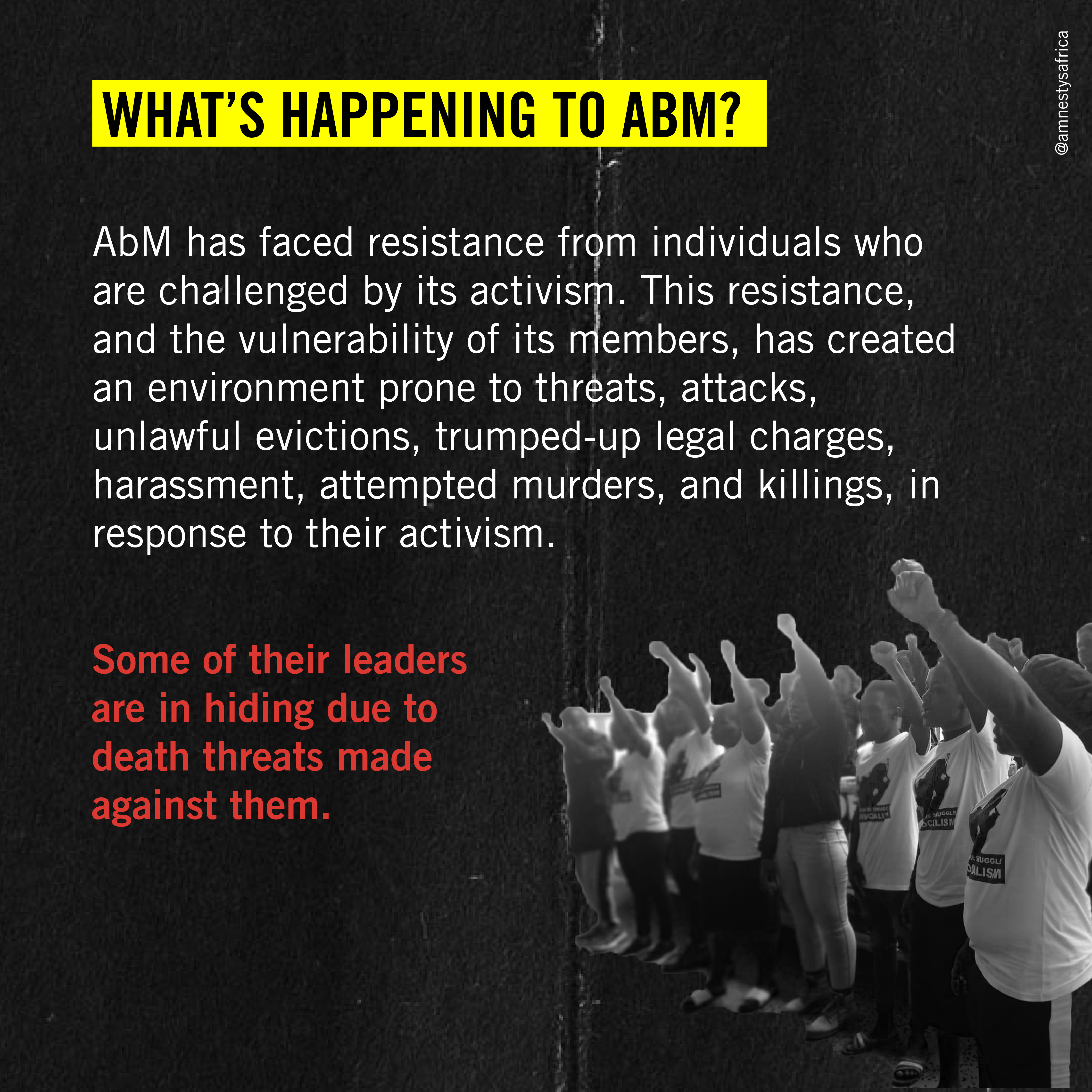
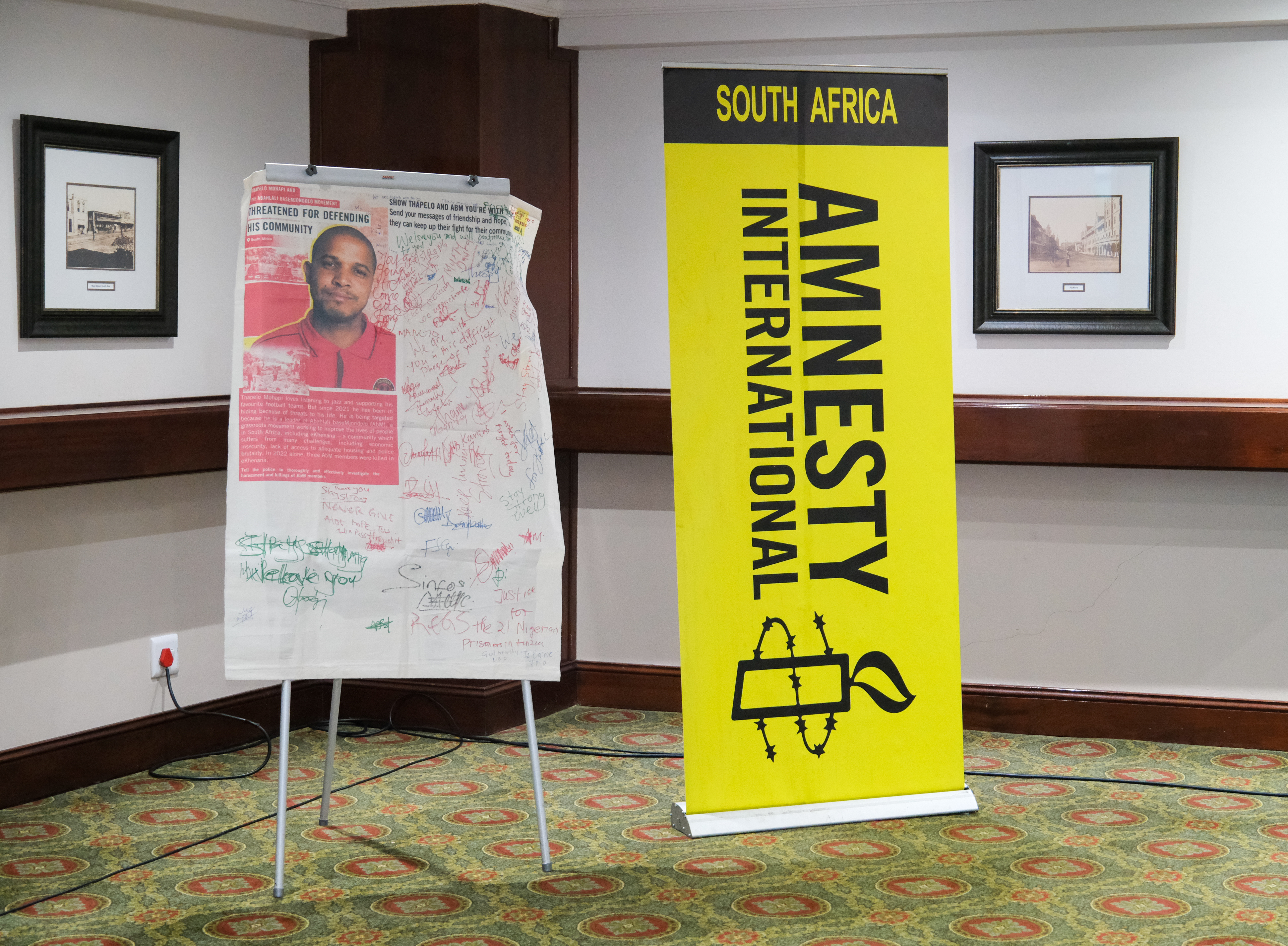
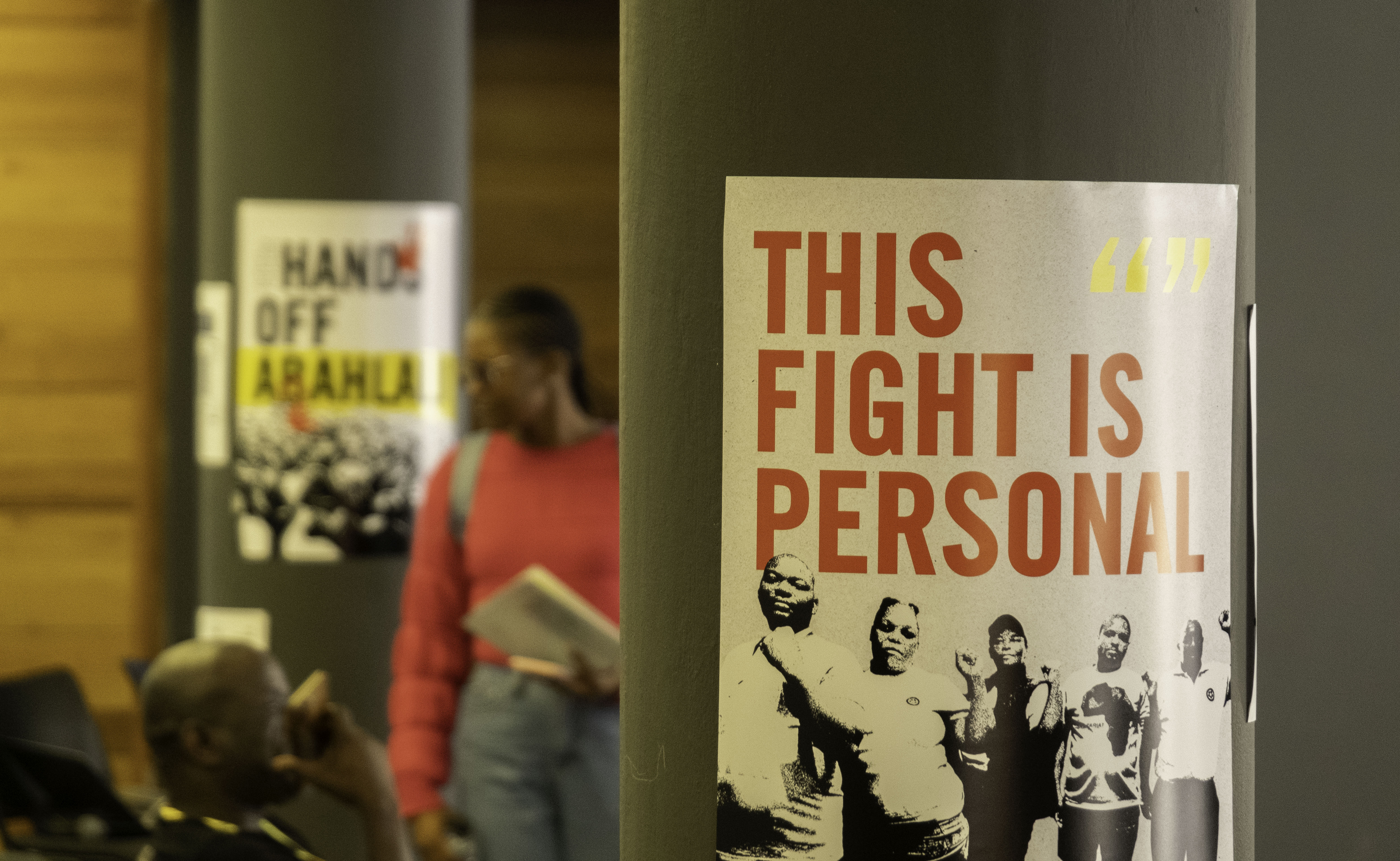
Nelson Mandela said: “To deny people their human rights is to challenge their very humanity”. This is what comes to mind when I think of the struggle of grassroots movement Abahlali baseMjondolo (AbM). This is a group of people who have been fighting for access to basic human rights for almost two decades and in return they are faced with threats, attacks and sometimes death. 

I have said it before and I will continue to say it, no one should die for standing up for their rights and the rights of others. This is why Amnesty International South Africa has taken up the plight of AbM and human rights defenders in general in South Africa. 

Human rights defenders play an important role in society. Our report looking into the situation of AbM, is an important example of how human rights defenders are treated in South Africa. 

Ultimately, we want the protection of human rights defenders to be taken seriously in this country and by our government. South Africa celebrated 30 years since the end of apartheid this year and yet people are still being killed for standing up for what they believe in, fighting for basic services, or speaking out against corruption. The country has a long and painful history of violence, where life was often regarded as cheap. We are continuing to see the lack of value attached to human life. However, the right to life is a fundamental human right that must be respected and protected by all. Every person, regardless of their beliefs or affiliations, deserves to live without fear of persecution or harm. 

The attacks on those fighting for basic rights is a grave violation of human dignity. It is imperative that our government takes decisive action to ensure the protection of these individuals and enacts strong legislation to safeguard their rights. 

We cannot allow a culture of impunity to prevail. This is why this quarter is dedicated to justice and accountability, because we want to see justice and accountability for the killing of AbM members as well as all HRDs. 

This issue of Lesedi will tell you everything you need to know about AbM and the protection of HRDs. You can read about the launch of our research report, which was a culmination of two years of hard work, learn what you can do to help HRDs in South Africa and help us as AISA continue to call for justice and accountability. 

This work is really just the beginning.  Our numerous attempts to get responses from authorities to the AbM report, has been met with silence. This will not deter us and we will continue to push for accountability. 

In this Lesedi we also have a number of actions you can take on issues such as child and teenage pregnancy and the eradication of pit toilets in schools. While the Department of Basic Education is reporting that the number of pit toilets in schools has reduced, there are still over 1,700 schools in South Africa where illegal plain pit toilets are in use, displaying a continued disregard for the basic human rights of learners. AISA has been running the pit toilet petition since 2019, and since then we have collected more than 26,700 signatures. The next step is to hand over this petition to the Minister of Basic Education, so if you haven’t yet, let your voice be heard and sign the petition. 

AISA is also urging people to take a stand and demand action by writing to President Cyril Ramaphosa calling on him to ensure the incoming government works towards addressing the high levels of child and teenage pregnancy in South Africa. We currently have a total of 1,295 actions for the campaign, if you have not taken action yet on this, please do.

Our foreign policy work continues at AISA and we are prioritising global solidarity. You can read more about what is happening in our region and globally, and the work the movement is doing. You can also read about Individuals at Risk in the region and take action for their freedom. 

We might be heading towards the end of the year, when things start winding down, but with the state of the world and the ongoing conflicts around the world – in Israel and the Occupied Territory, most recently in Lebanon, and in South Sudan, we cannot take our eye off the ball. We need to continue to shine a light on human rights abuses to ensure that we live in a world where everyone’s rights are upheld no matter who they are, where they come from or the colour of their skin.

Let’s keep fighting together.

Aluta Continua!

Shenilla Mohamed


THE FIGHT FOR JUSTICE CONTINUES

By marike Keller, Amnesty international south africa researcher & genevieve quintal, media and communications officer

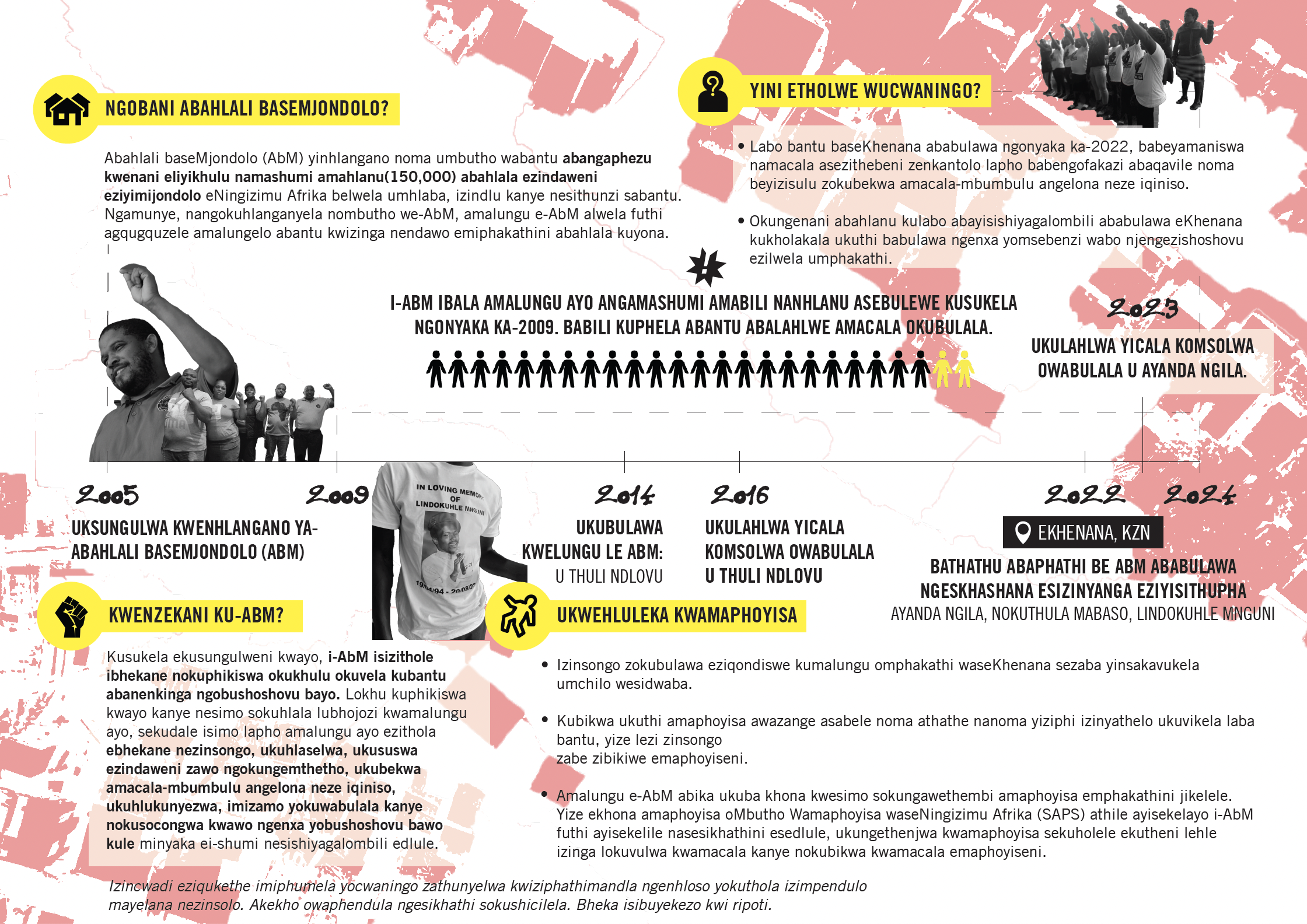
Towards the end of 2022, Amnesty International South Africa (AISA) was approached by the national leadership of Abahlali baseMjondolo (AbM) with a request for us to shine a global spotlight on the threats and attacks against their members and leaders in KwaZulu-Natal (KZN) which had escalated that same year. As an evidence-based organisation, our campaigning is informed by research. As such, we embarked on an almost two-year journey with AbM, working closely with the movement to gather information which has led us to conclude that the South African state is failing these human rights defenders. The report details the state’s failure to adequately respond to the various forms of harassment, intimidation and violence, including almost complete impunity for perpetrators.

Throughout the research process, we were always led by the Do No Harm obligation. This means that it is our responsibility to avoid, prevent or minimise harm to others, and that this obligation must be at the centre of all that we do, including when conducting research. This contributed to several delays over the course of the research, to ensure the safety of AbM members during the interview stage, as well as postponing the launch of the report to after the general elections for the same reason. These decisions were always taken on advice of, and in close collaboration with, AbM’s leadership.

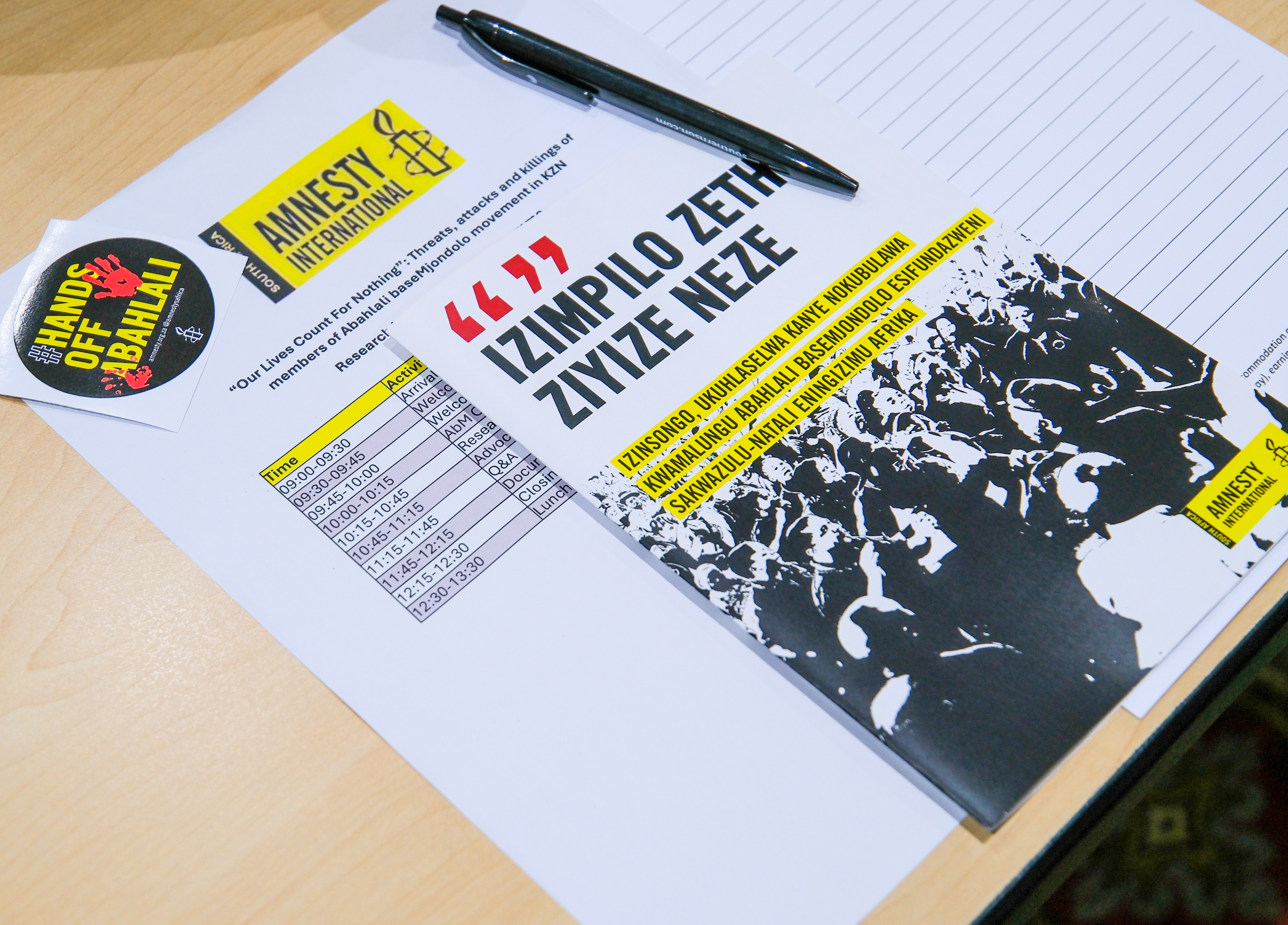
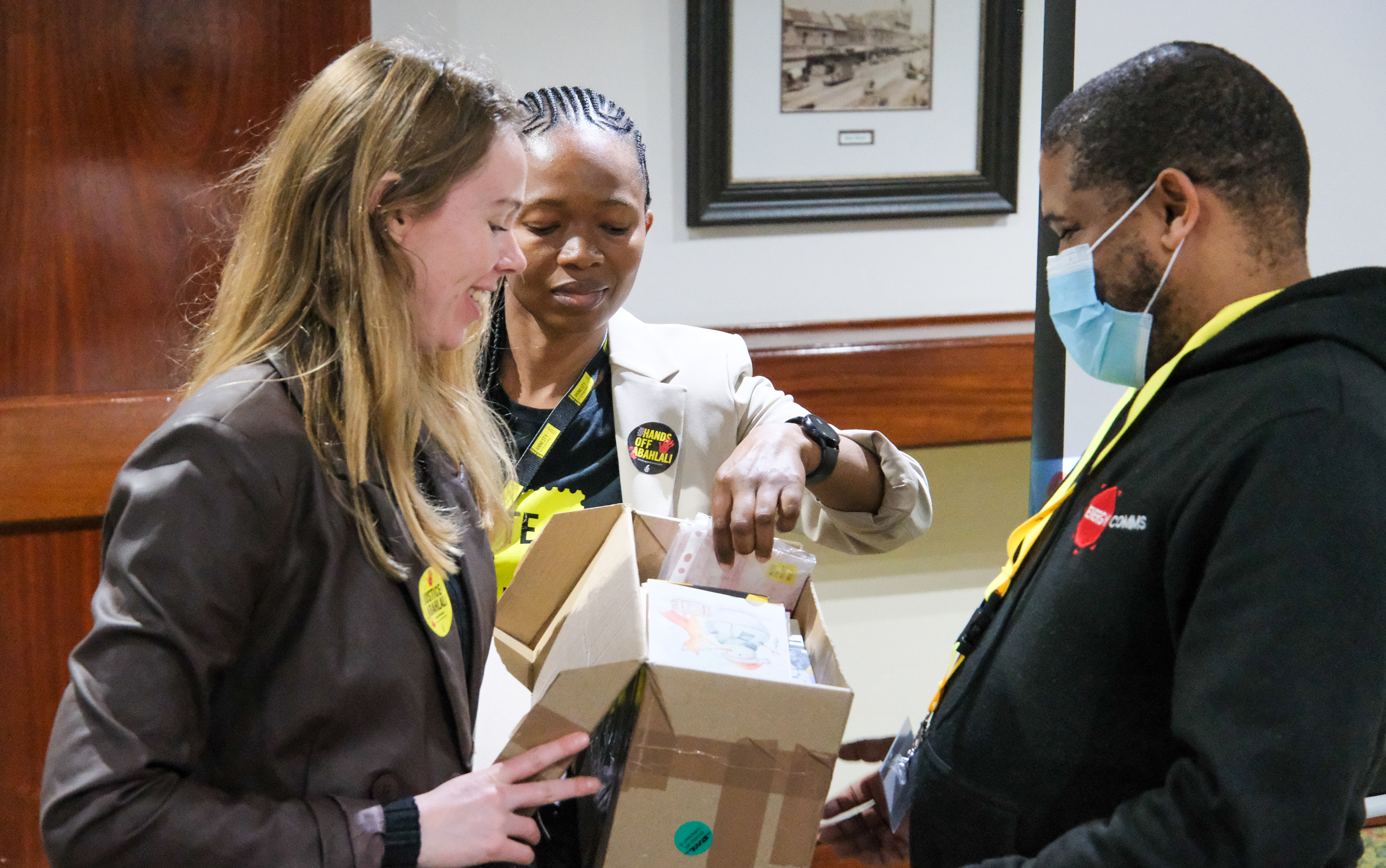
While the public launch was to take place in Johannesburg, we wanted to ensure that the research findings were shared with as many of the affected KZN communities and the membership of the AbM movement. We therefore split the launch into two – a private launch in KZN with the movement only, and a public launch in Johannesburg with partners and the media.

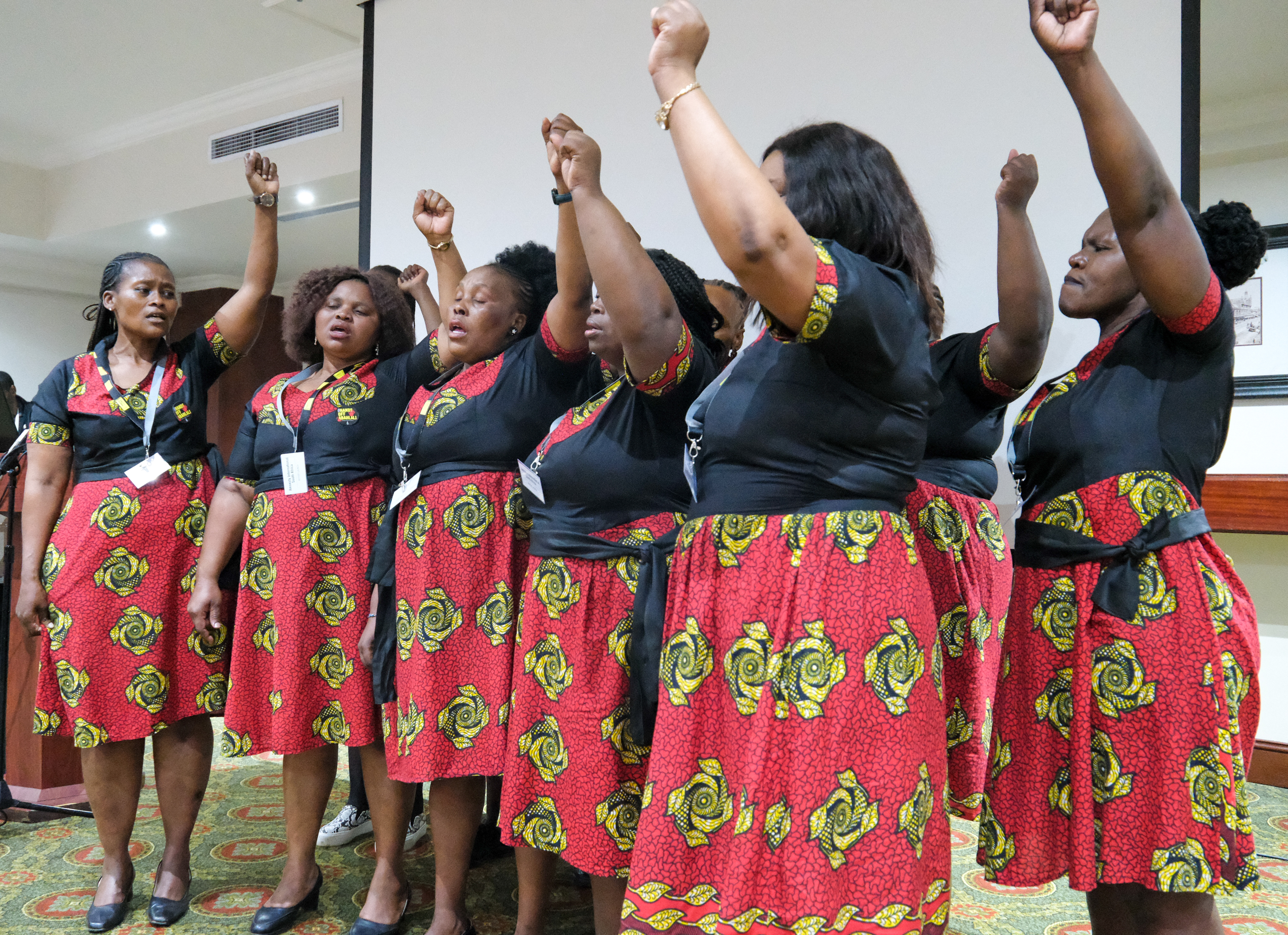
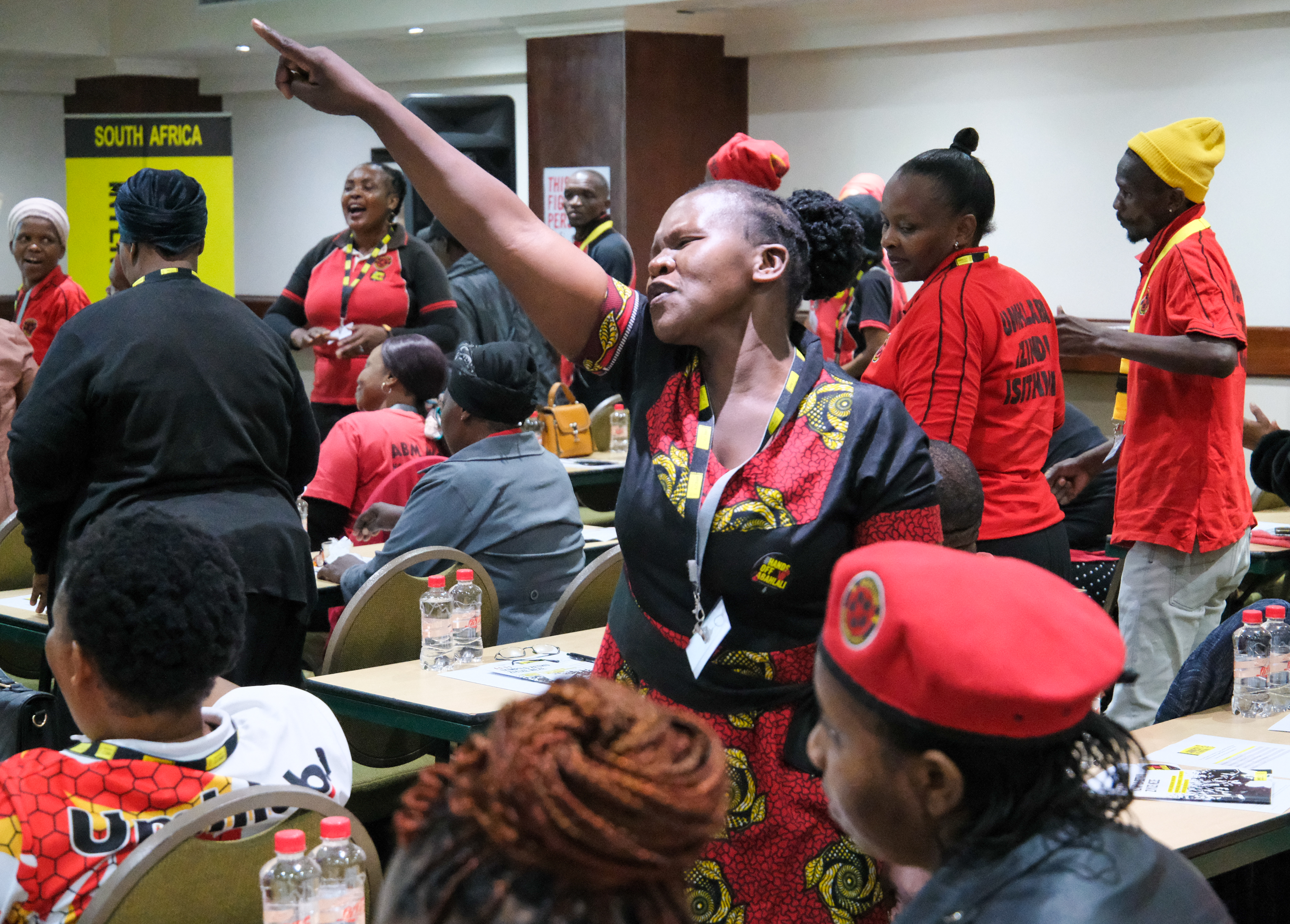
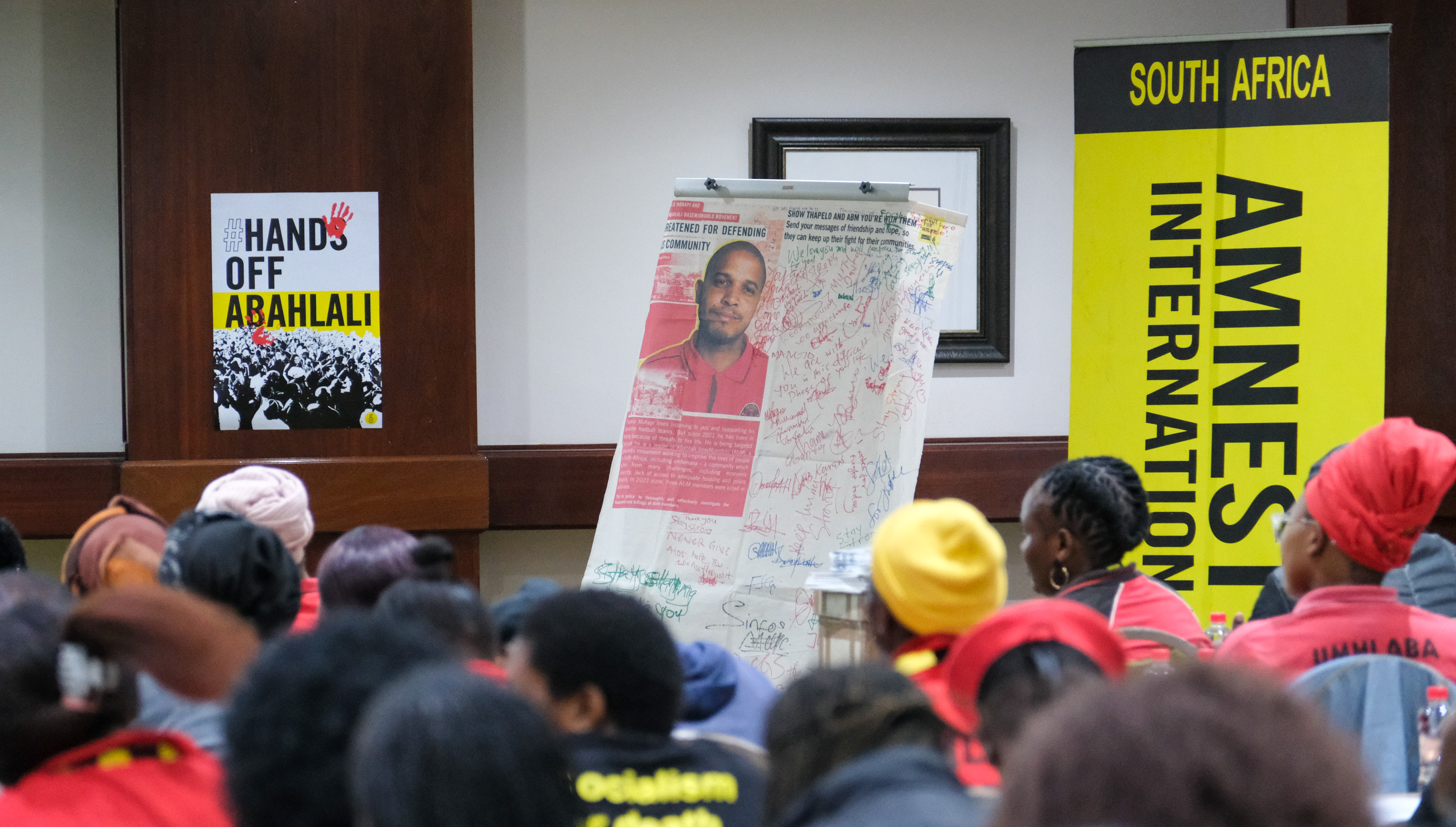
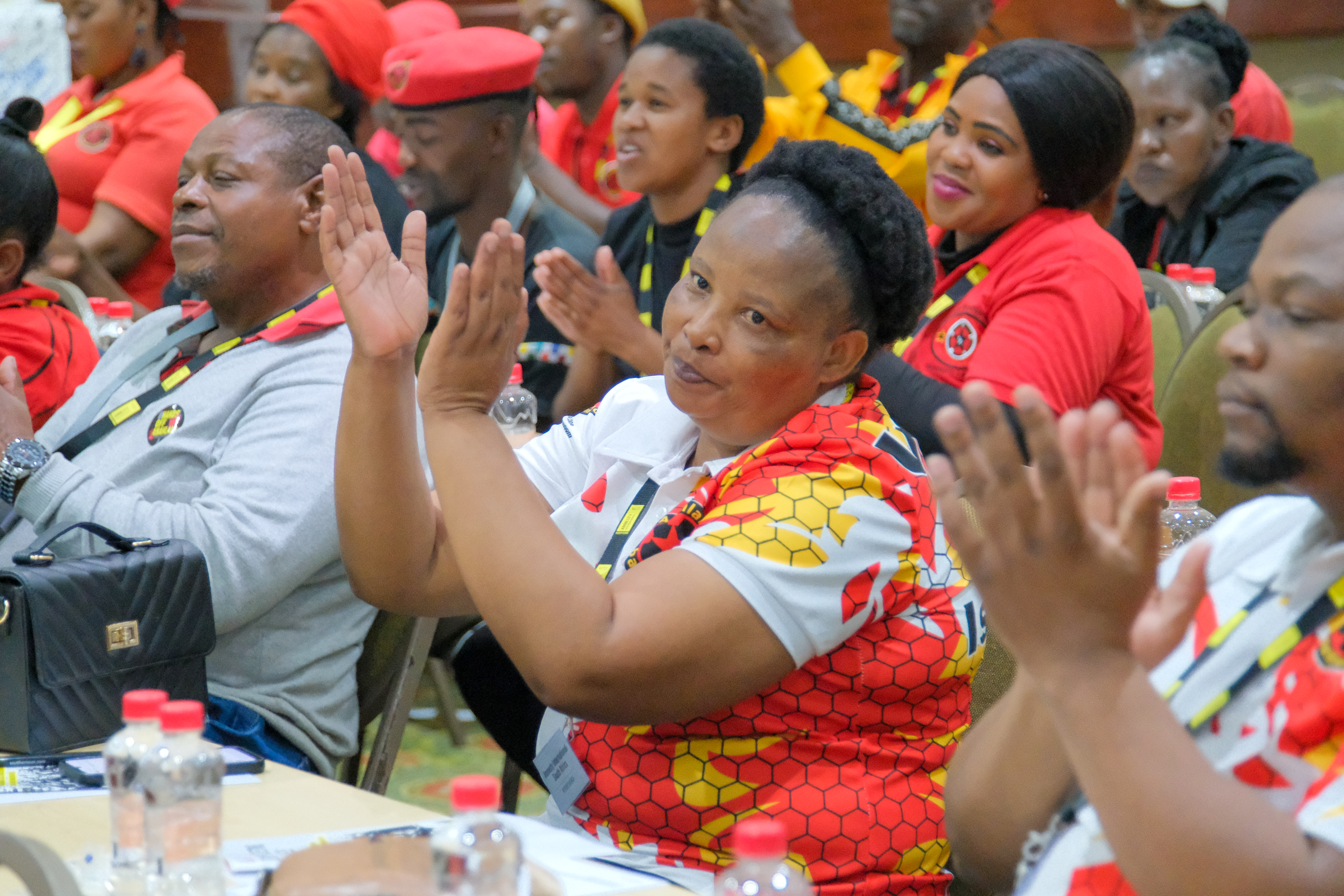
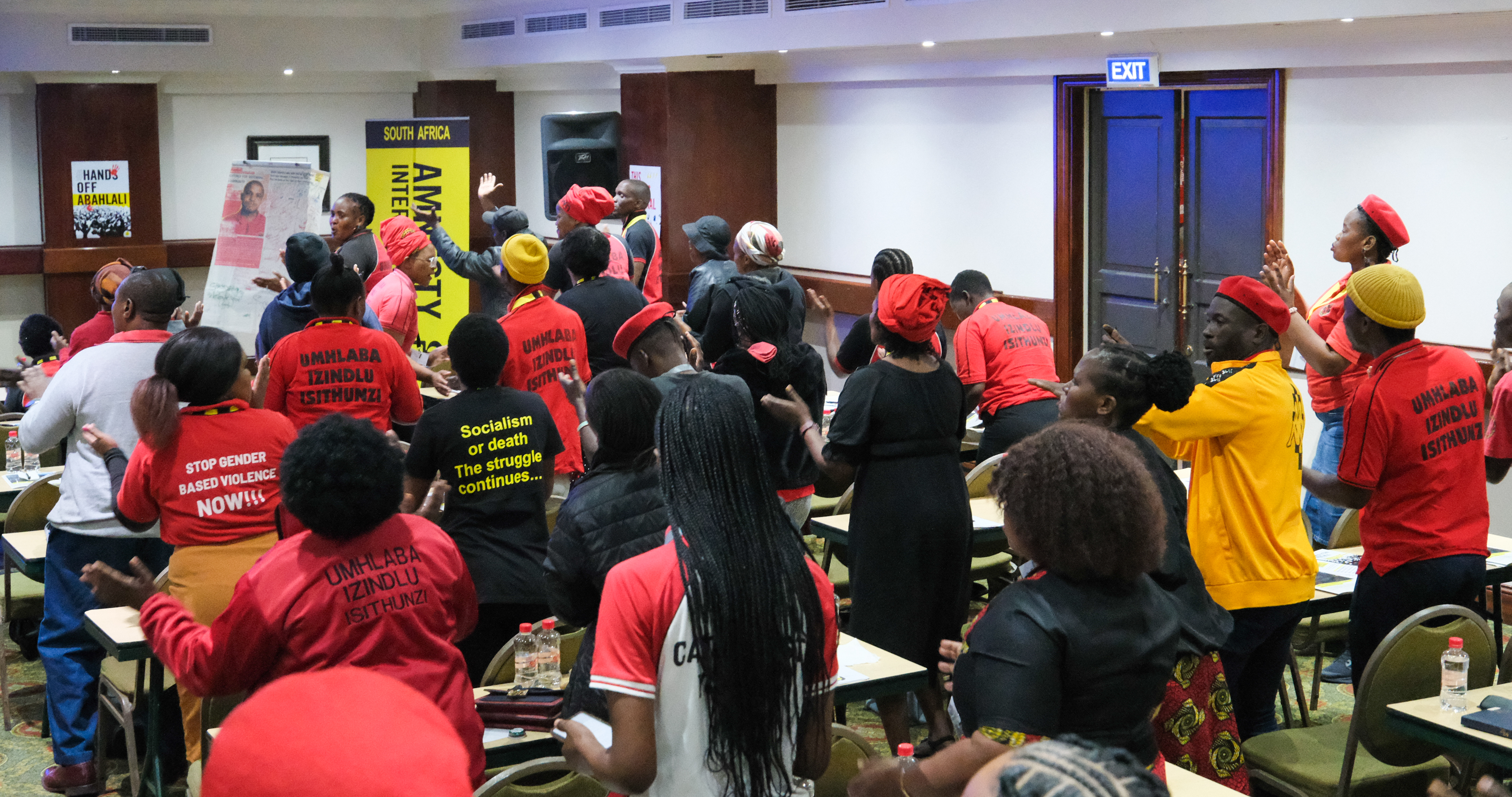
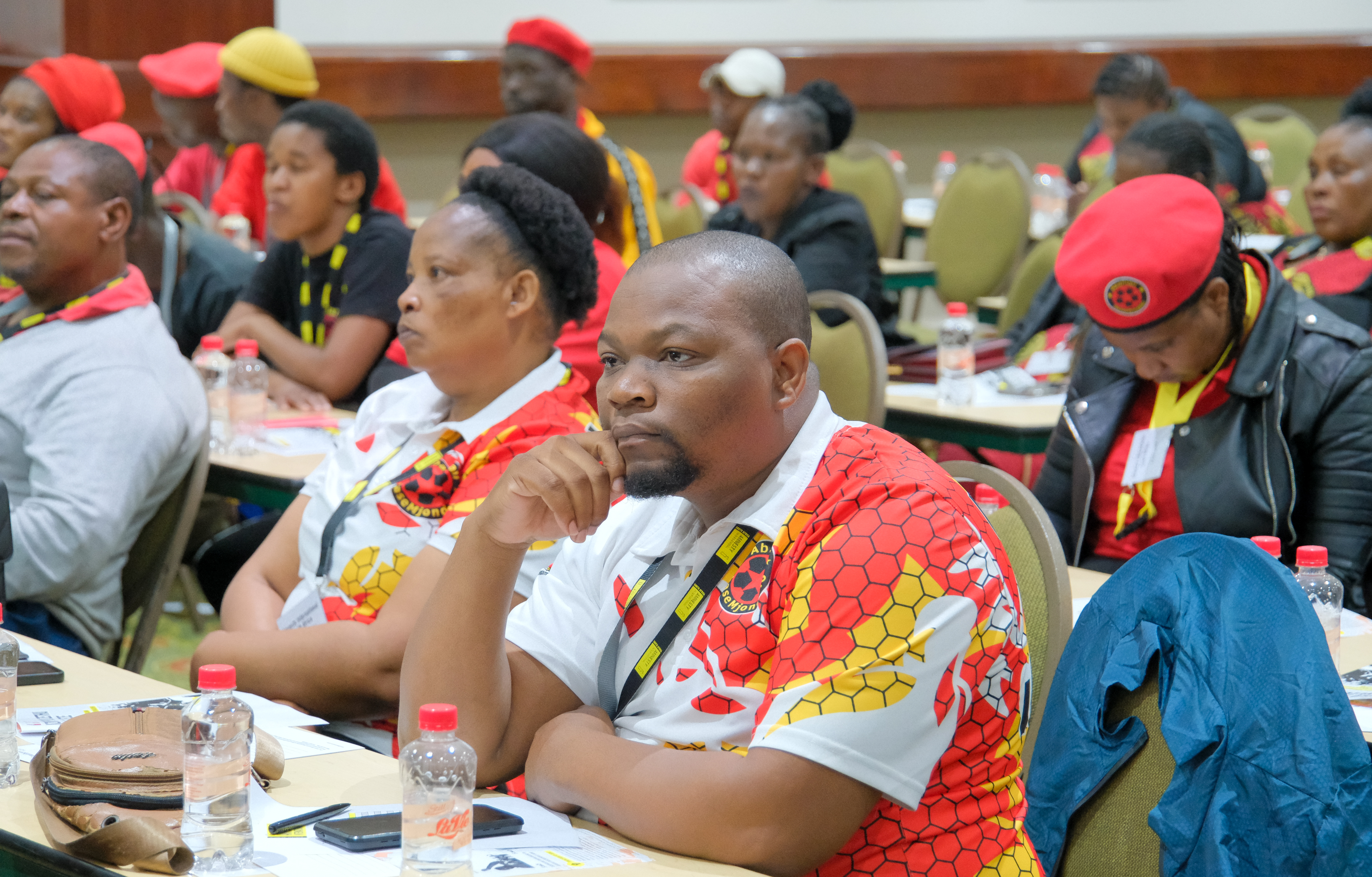
The private KZN launch on 3 August was attended by close to 100 AbM members, with AbM’s choir starting the day by leading us in struggle songs. Having this as a closed event provided a safe space to share the research findings and the campaign plan, and engage in meaningful and open discussions with those directly impacted. We also took this opportunity to show our documentary, “Silencing the Defenders”, for the first time.

What stood out for us was that amongst the immense tragedy and ever-present fear was a sense of hope and a recommitment from all to continue to work together to ensure there is justice for AbM, and all human rights defenders in South Africa.


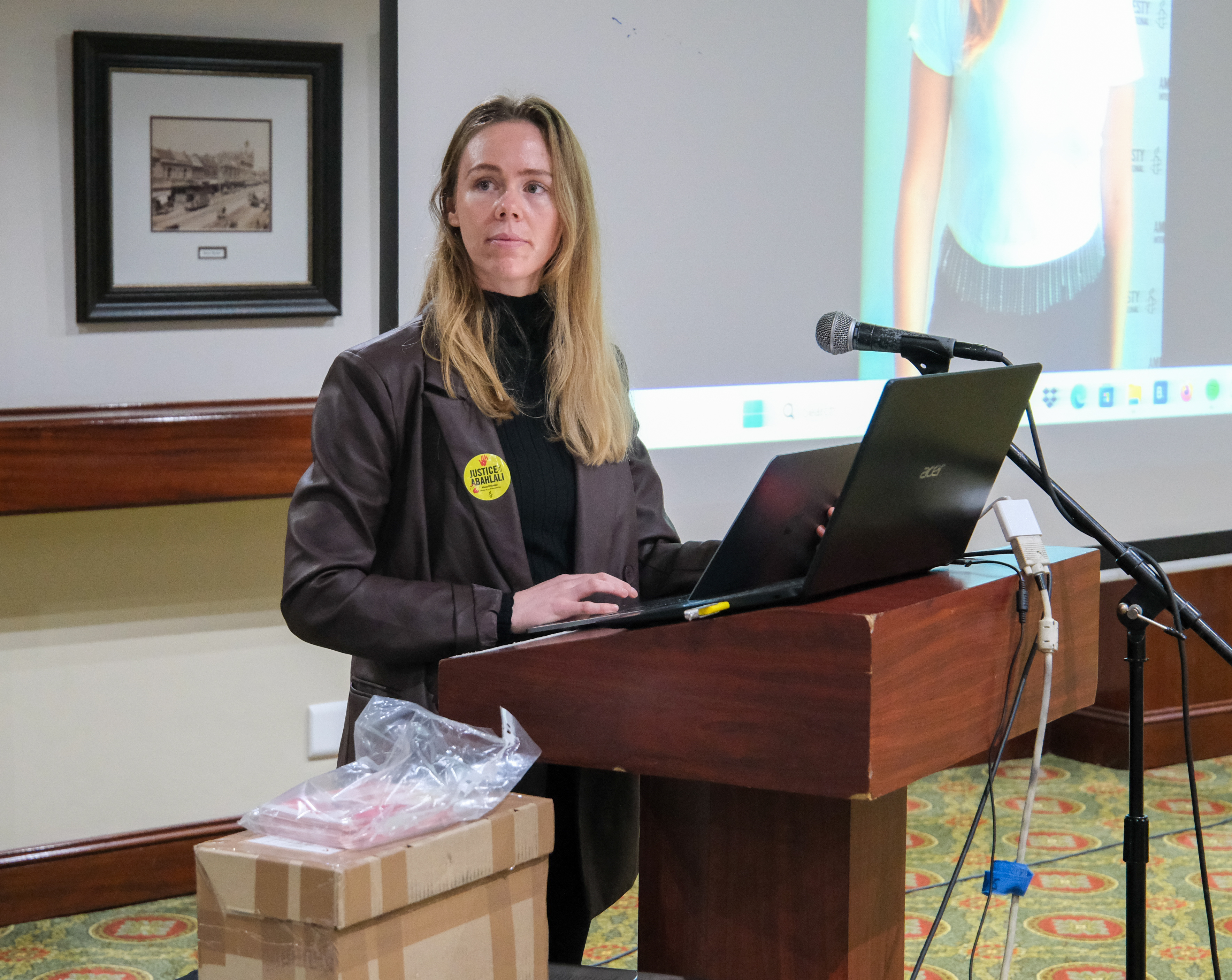
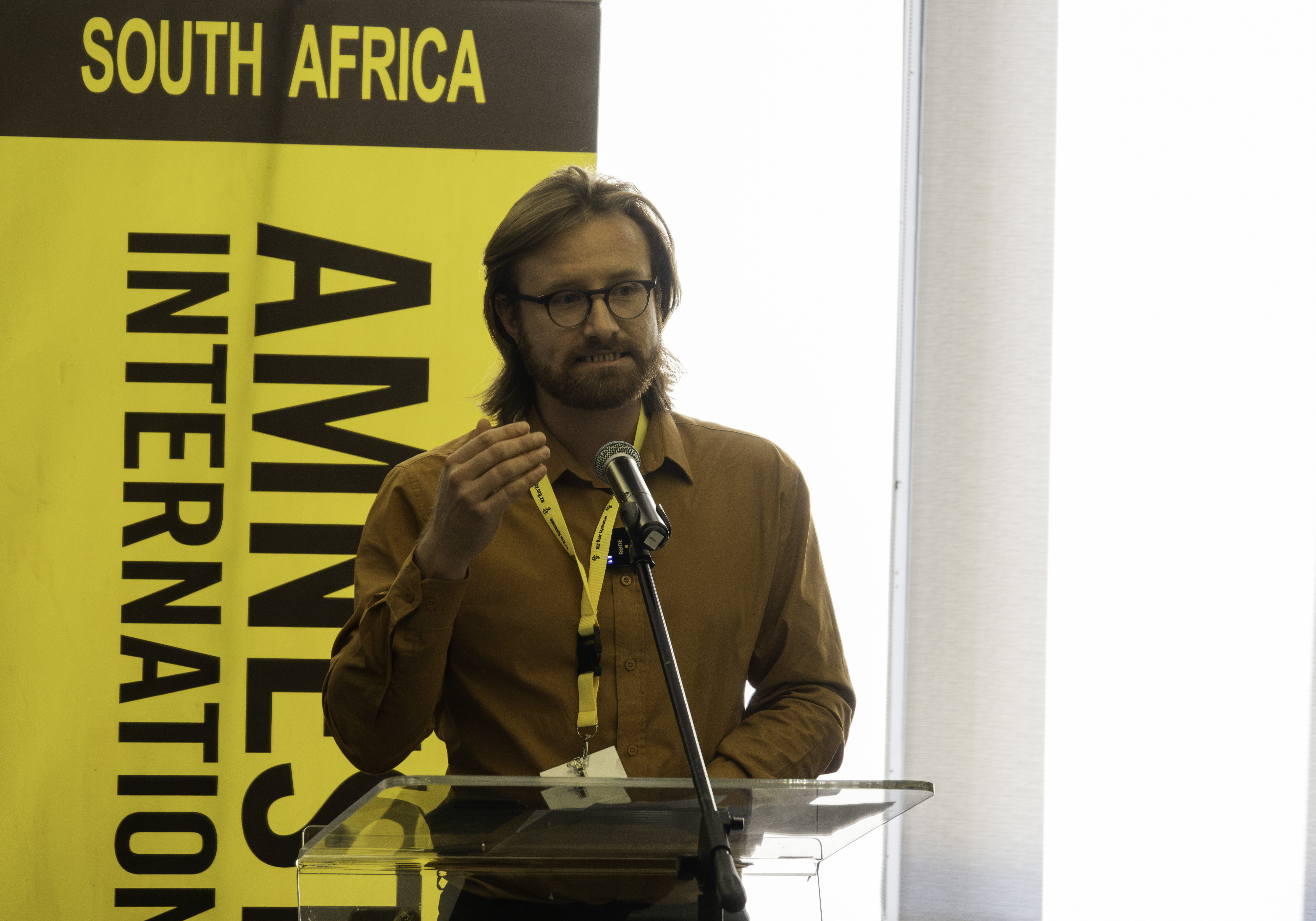
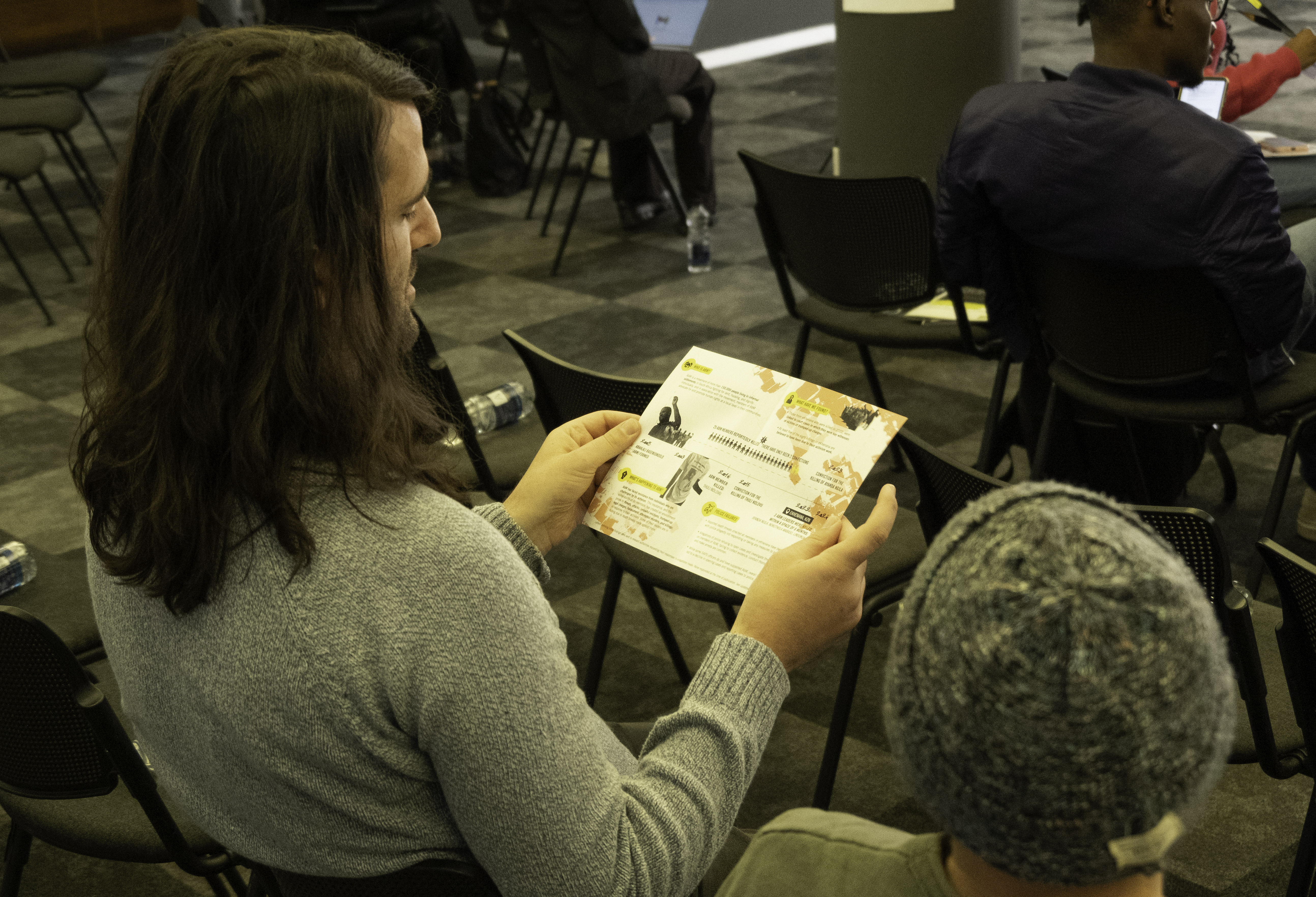
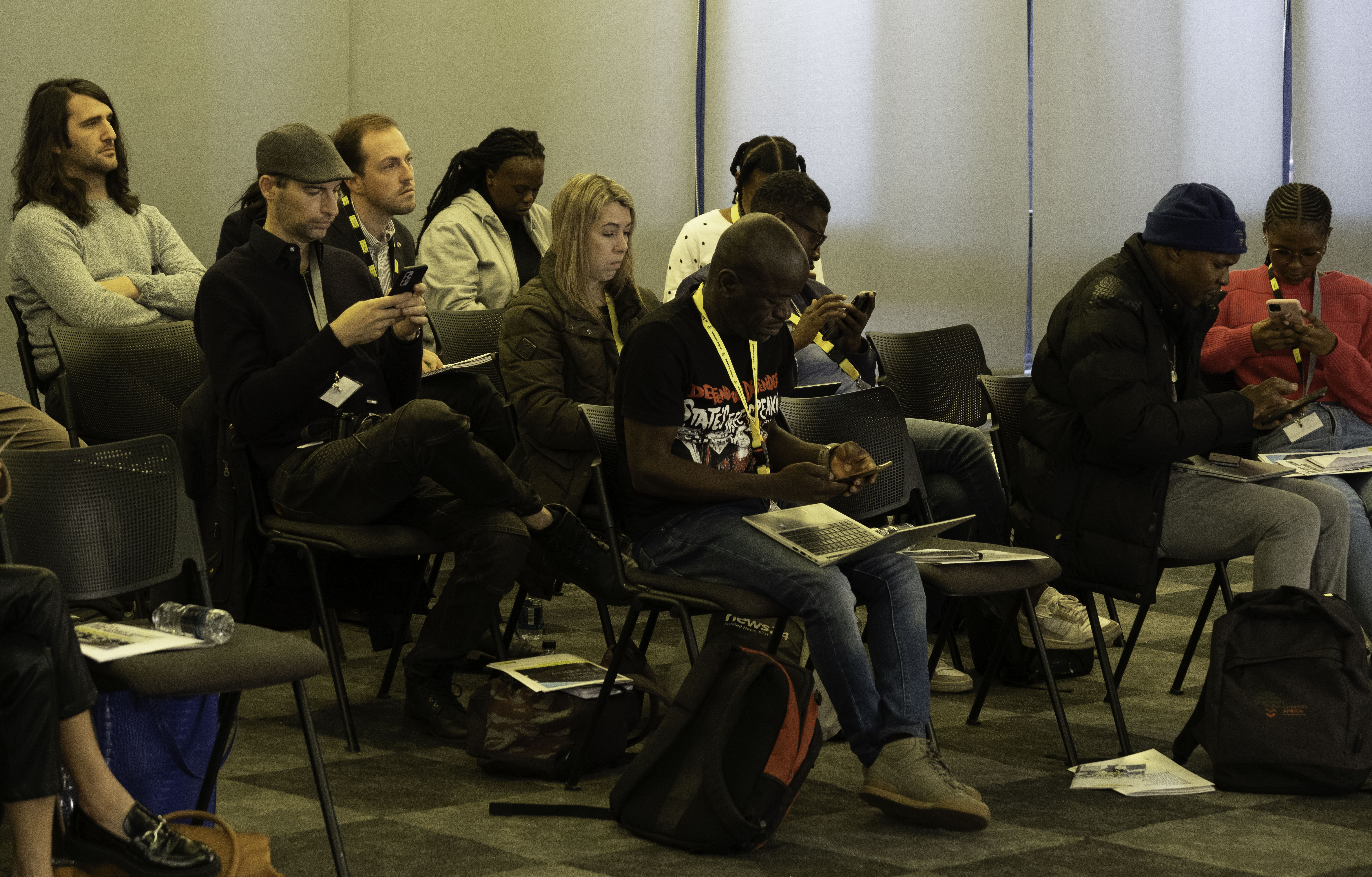
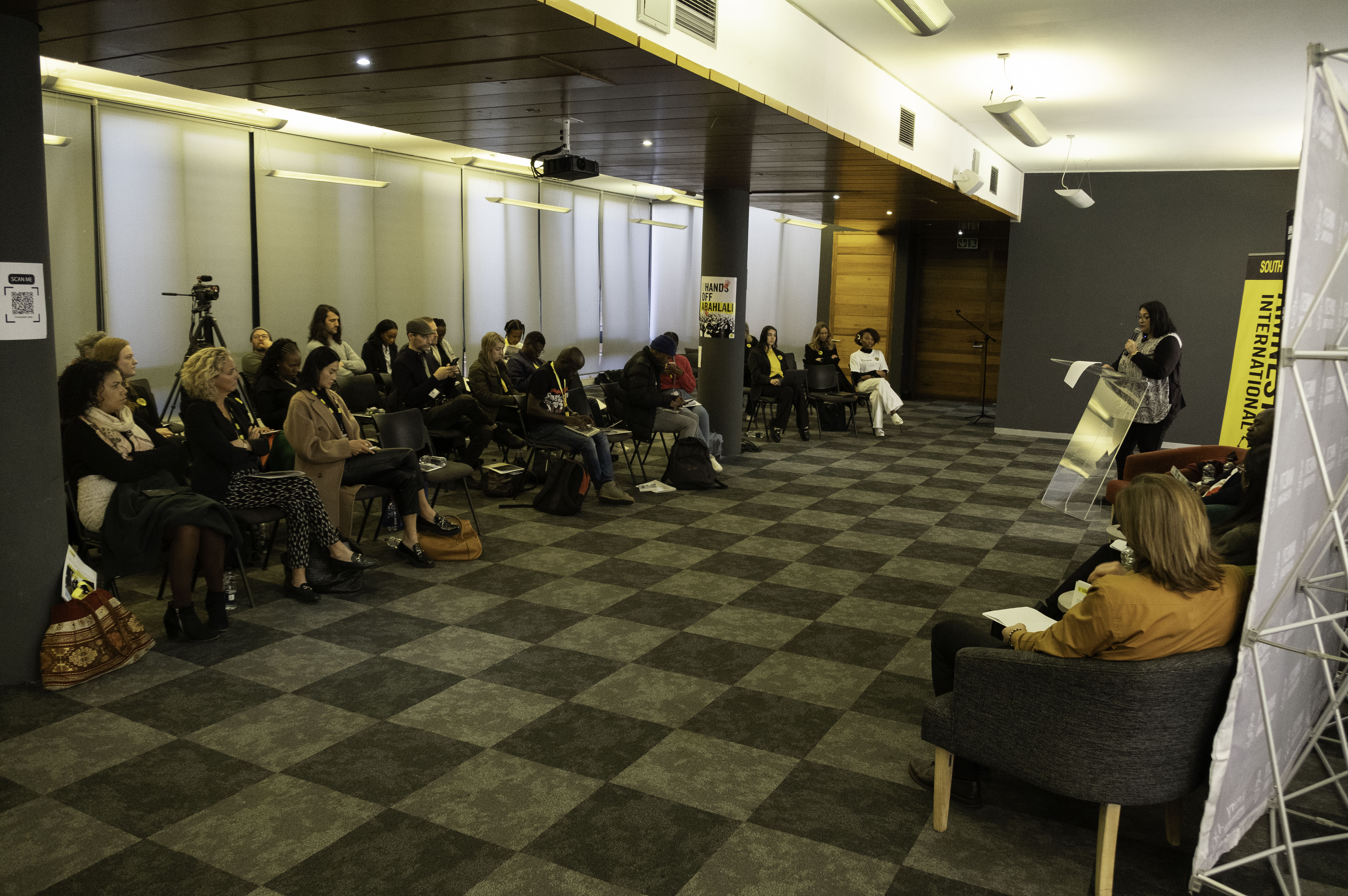
Following the endorsement from AbM of the report and the work going forward, the next step was to launch this work publicly. On 7 August AISA held a media launch at the Women’s Jail at Constitution Hill in Johannesburg. 

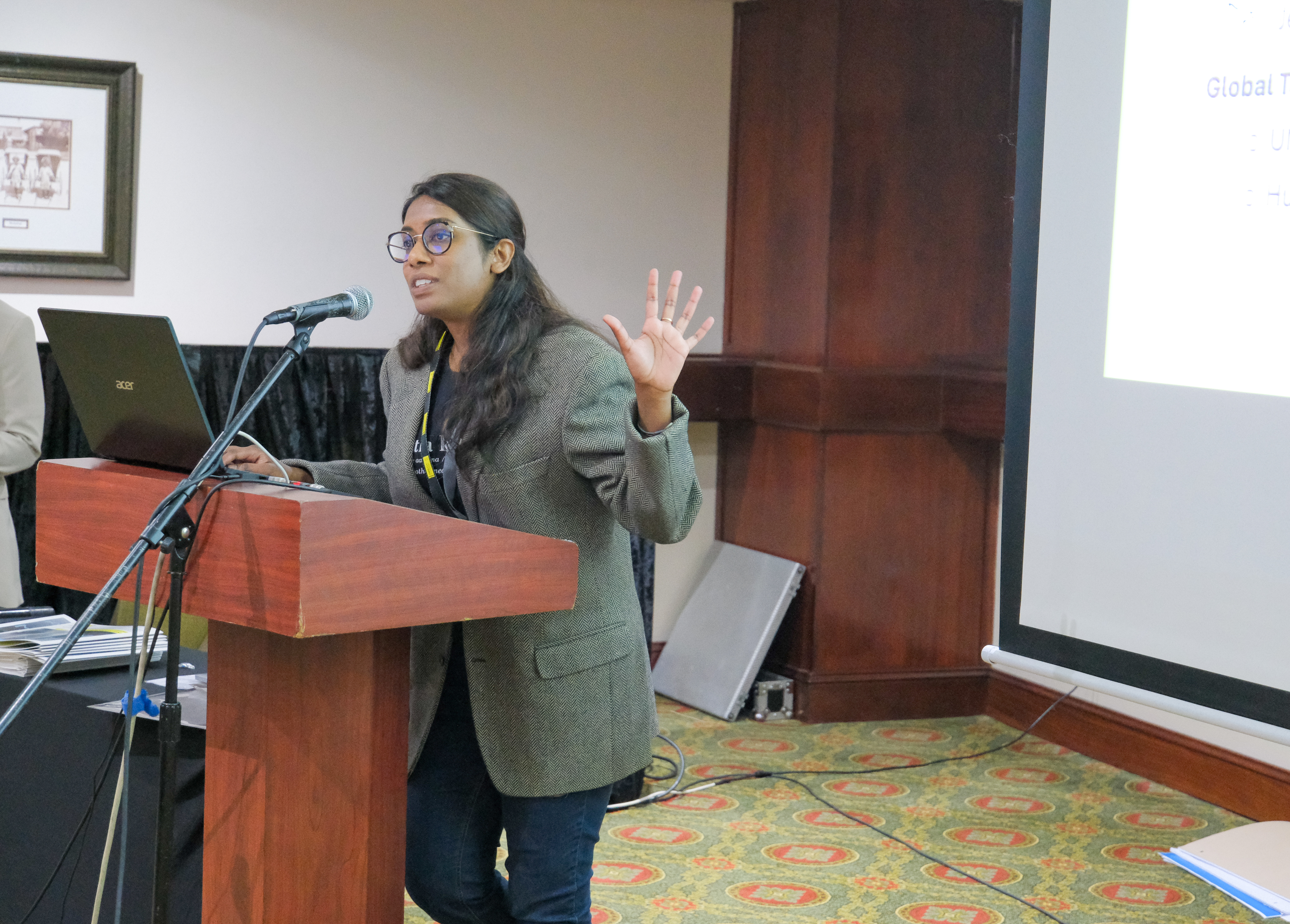
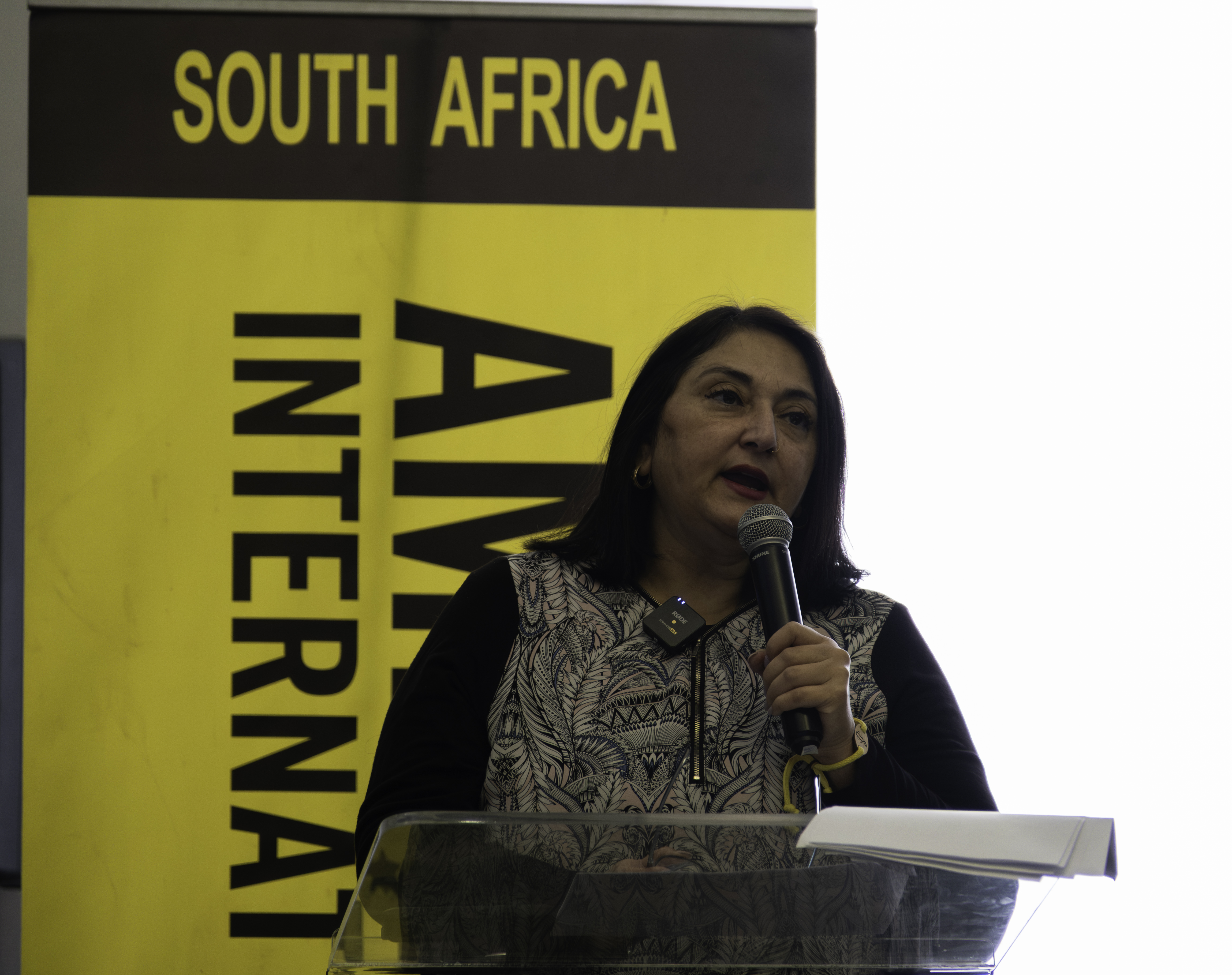
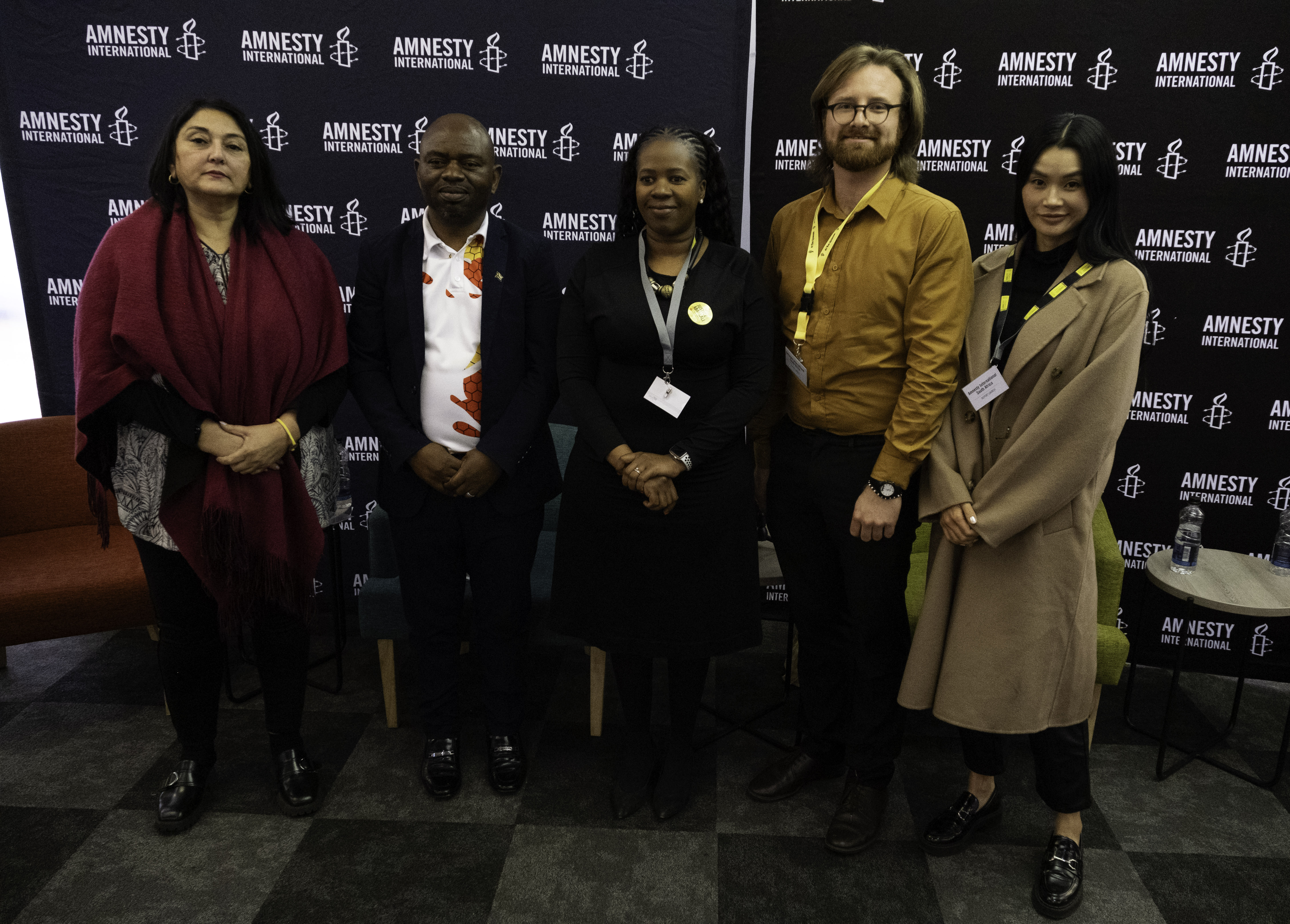
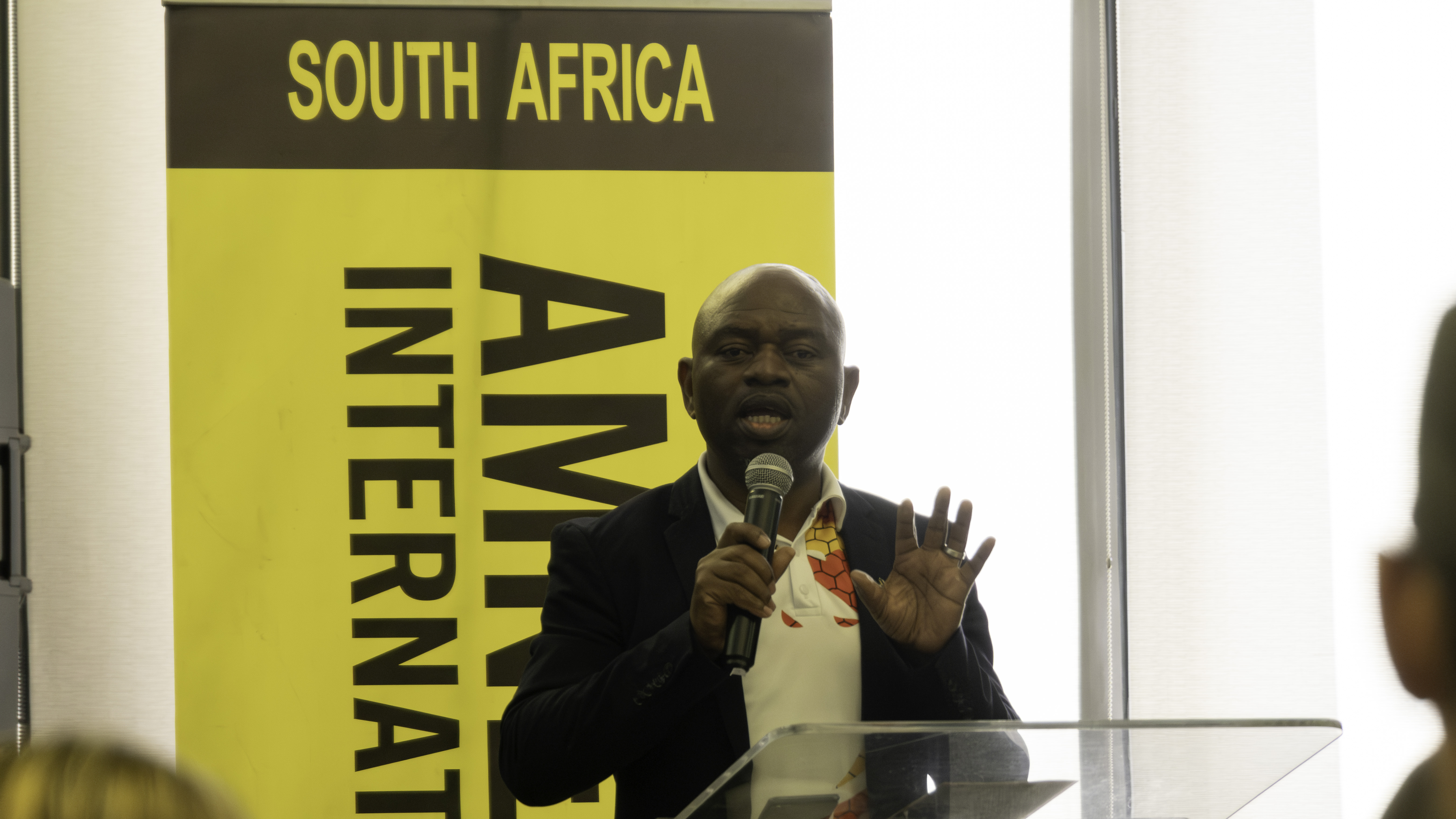
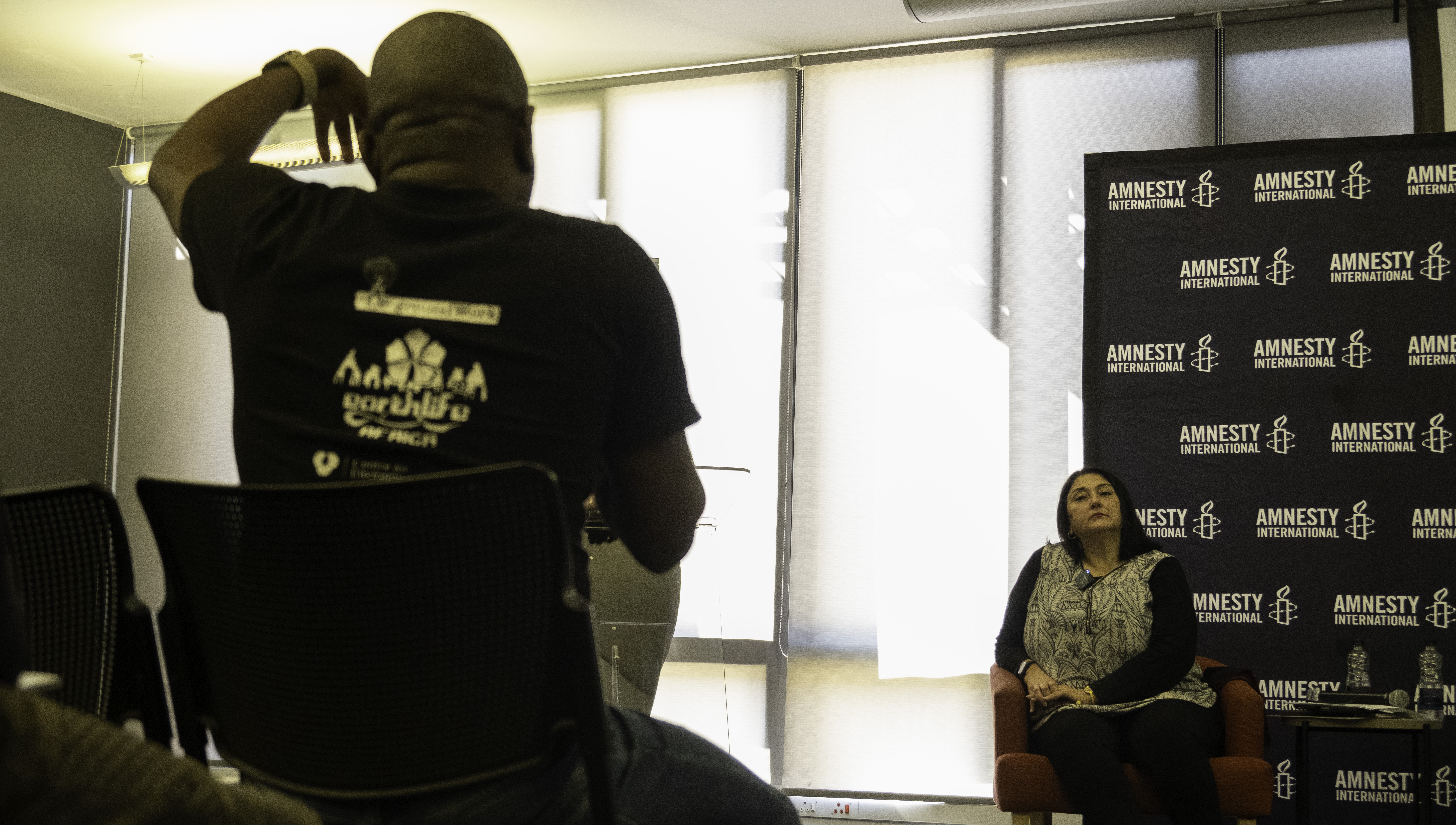
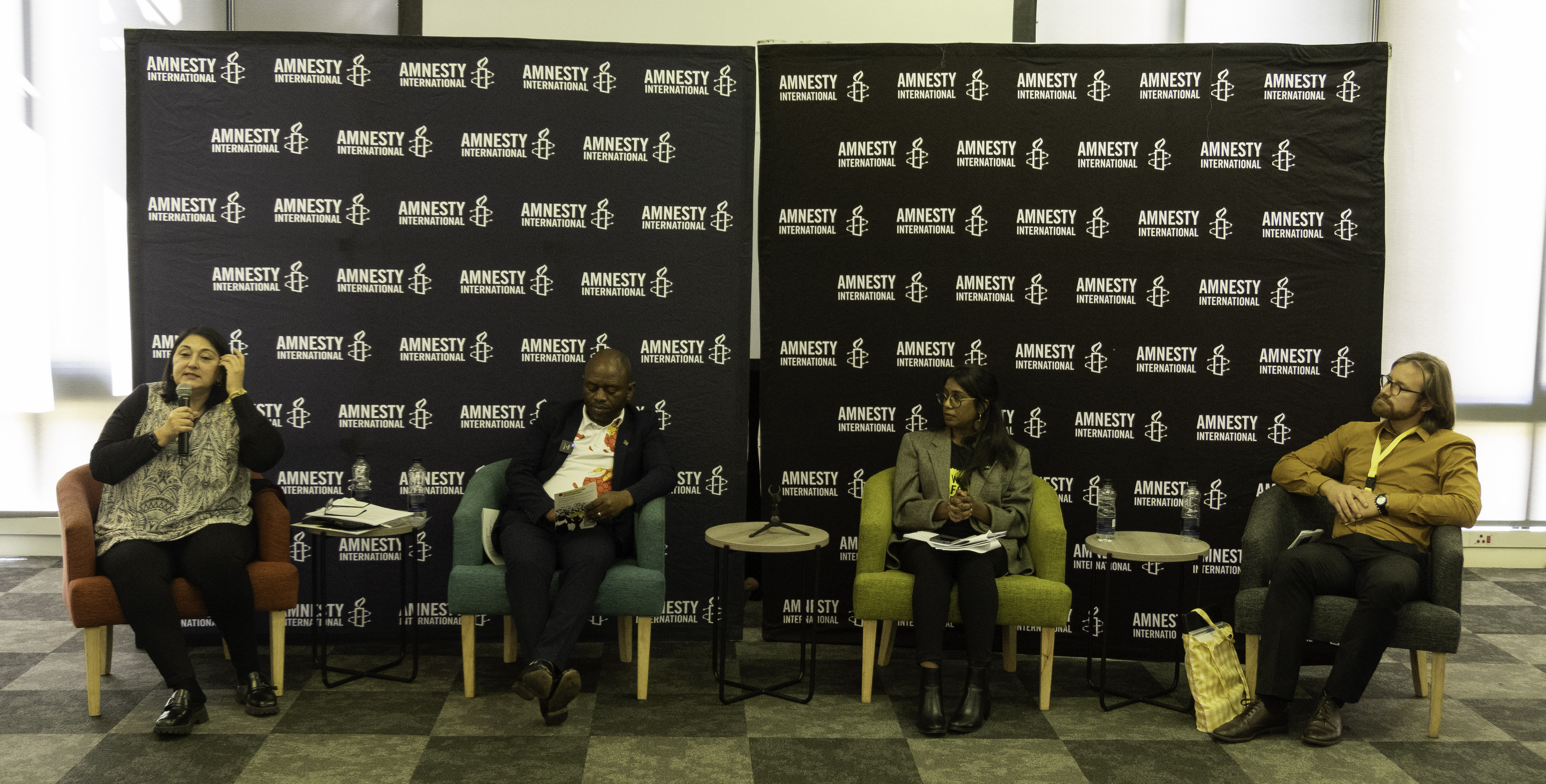
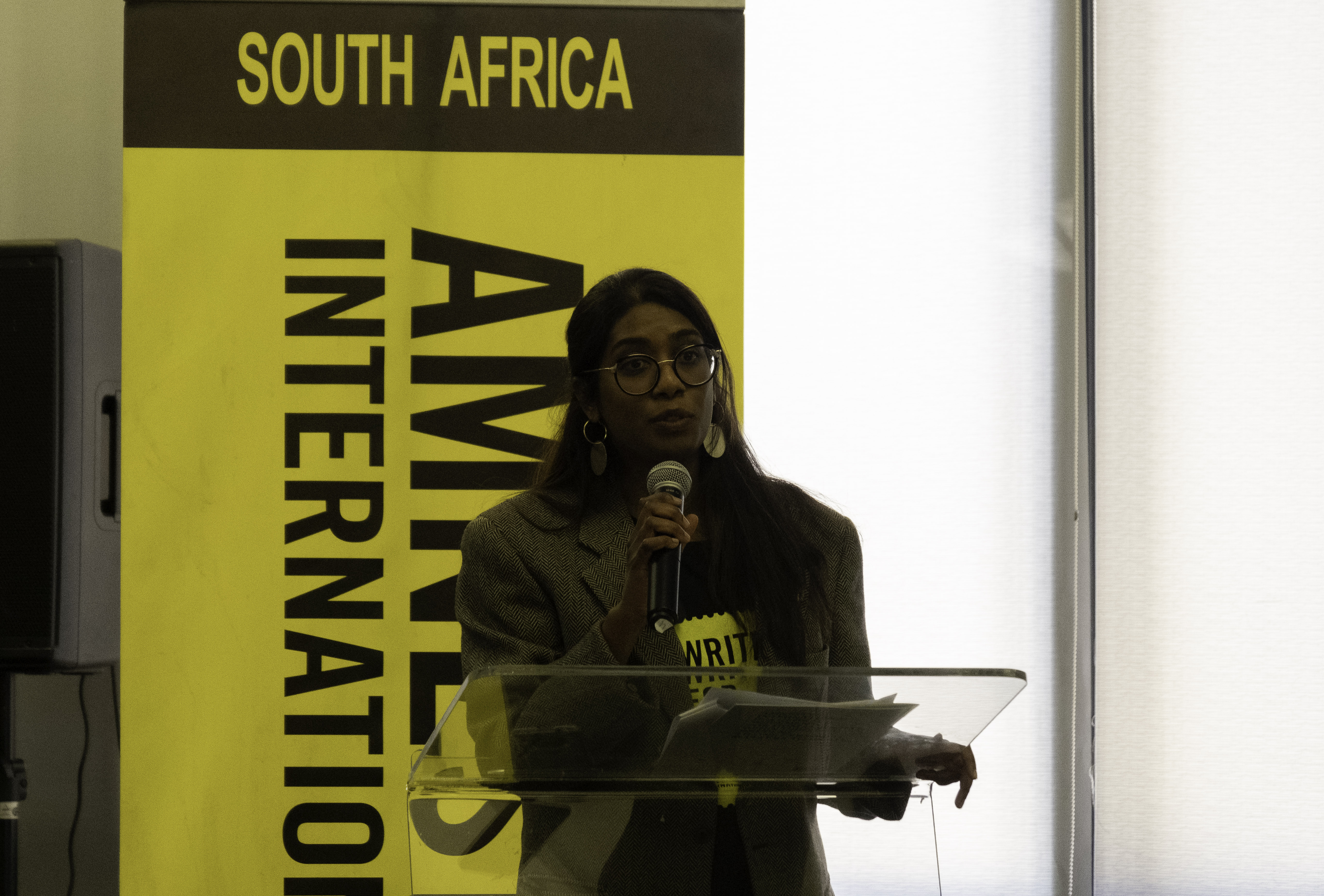
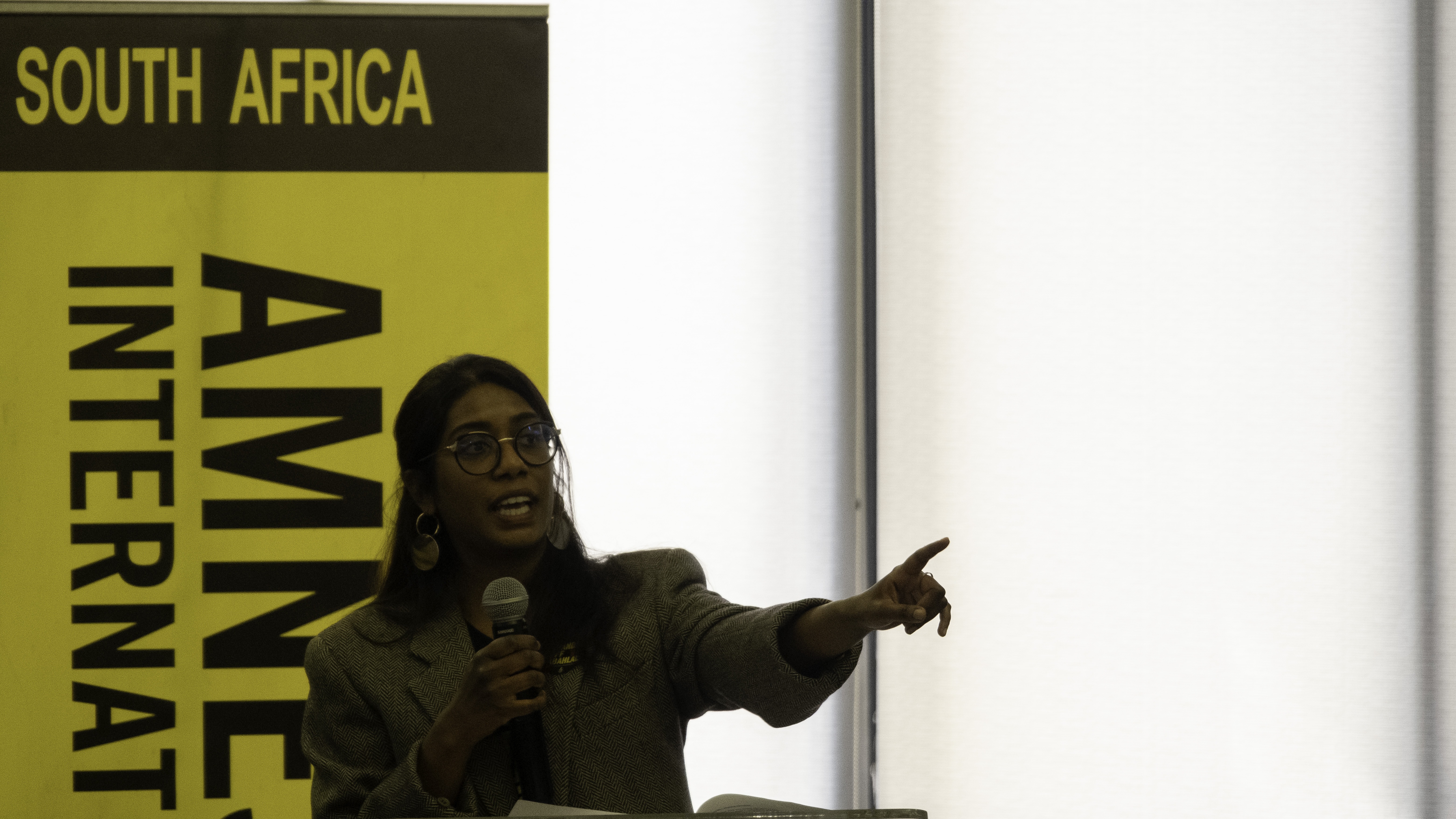
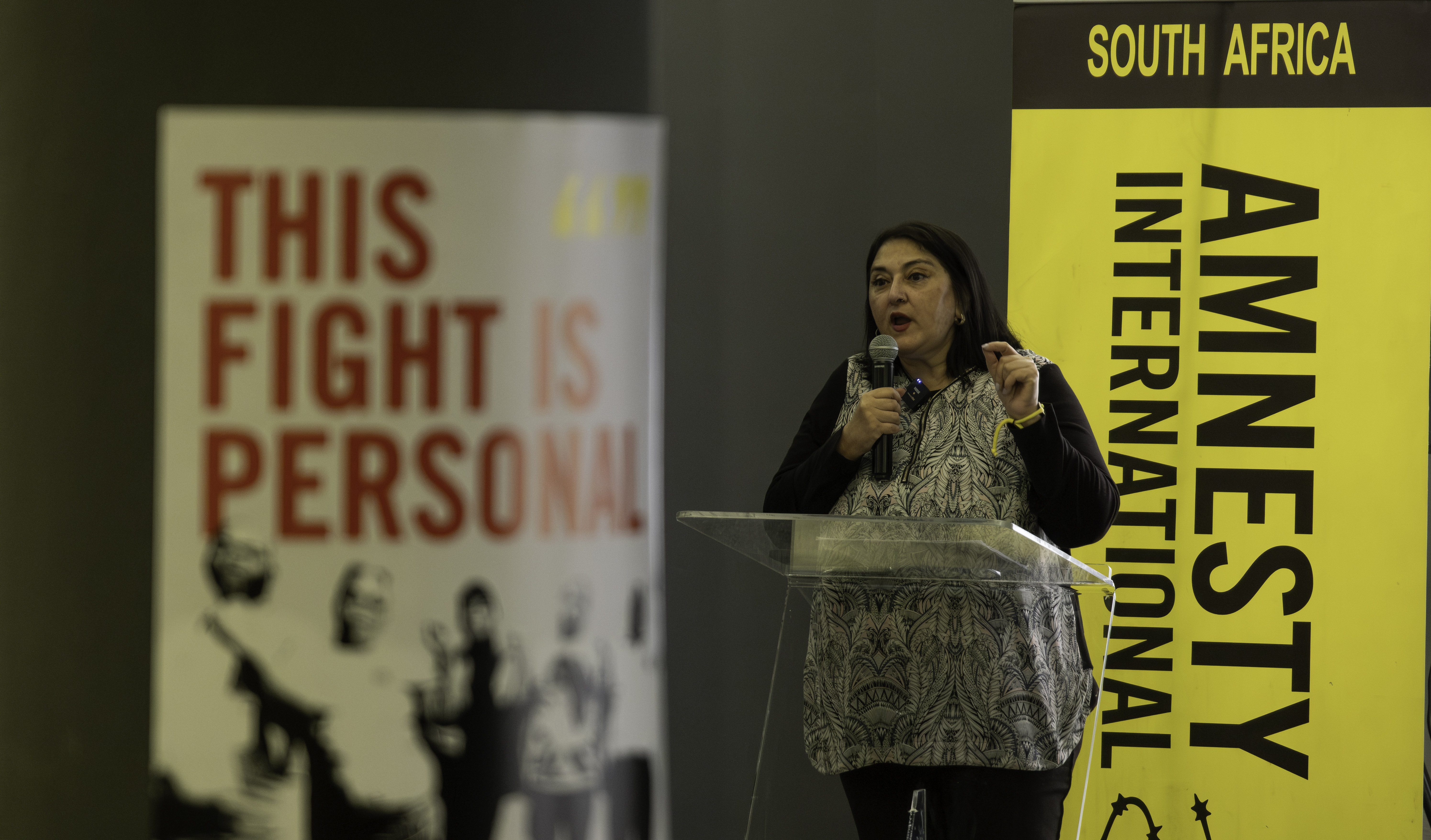
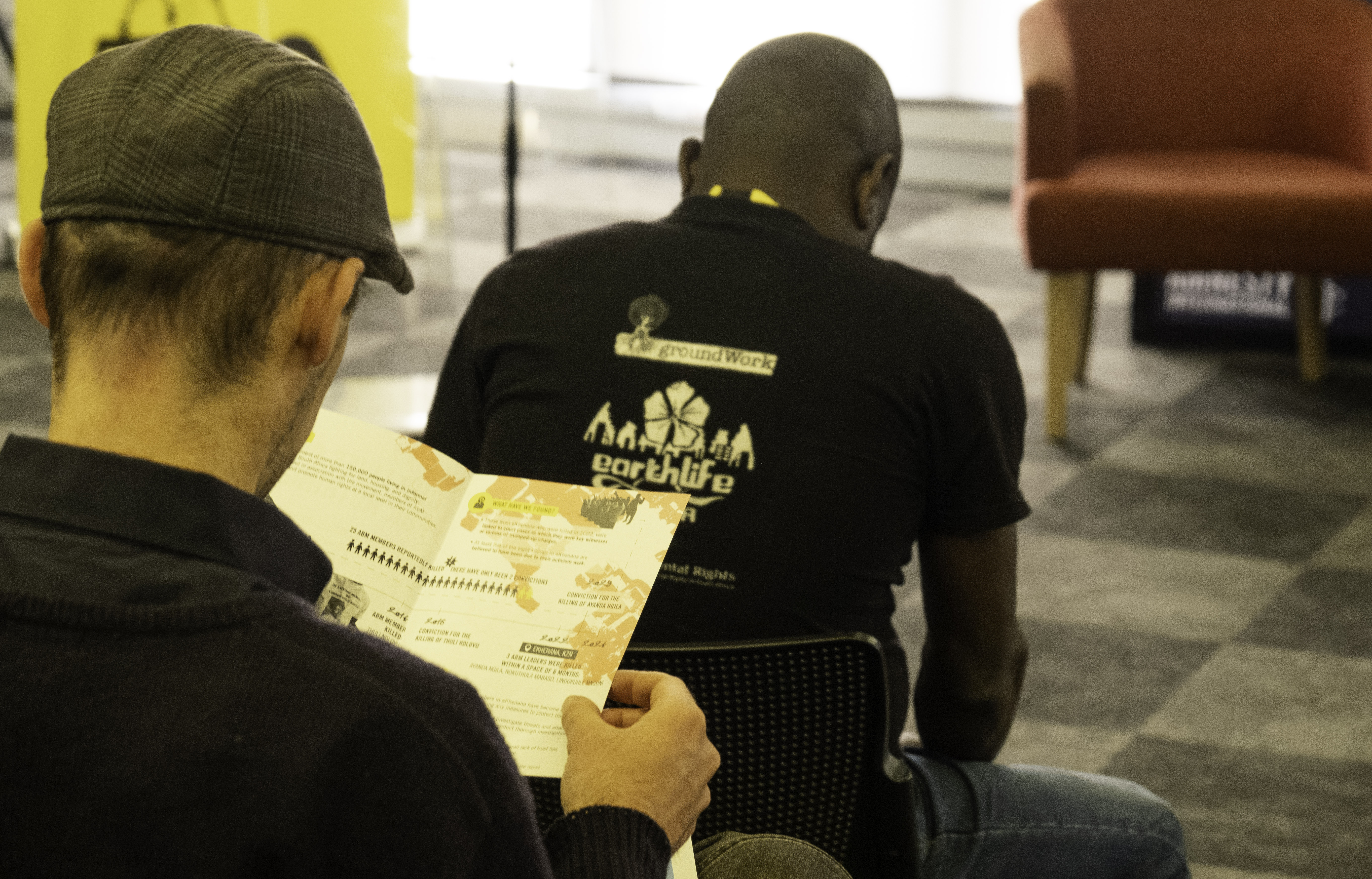
Amnesty South Africa Executive Director Shenilla Mohamed presented the findings of the report. We were also joined by AbM president Sibusio Zikode, who brought home the situation AbM members find themselves in and the importance of this work in ensuring there is protection for human right defenders. AISA board members, colleagues from the Southern Africa regional office, partners representing civil society organisations such as groundWork, Socio-Economic Rights Institute of South Africa and Lawyers for Human Rights also attended the media briefing. 

The launch was a success and sparked a public conversation around what was happening to AbM. AISA was interviewed six times on the day of the launch and in total there have been 25 media engagements on our report. Newzroom Afrika also aired AISA’s documentary “Silencing the Defenders”, which you can find below. 

We wish to thank AbM for trusting us. We will continue to stand in solidarity with AbM, fighting for justice for those killed and for the rights of human rights defenders. 

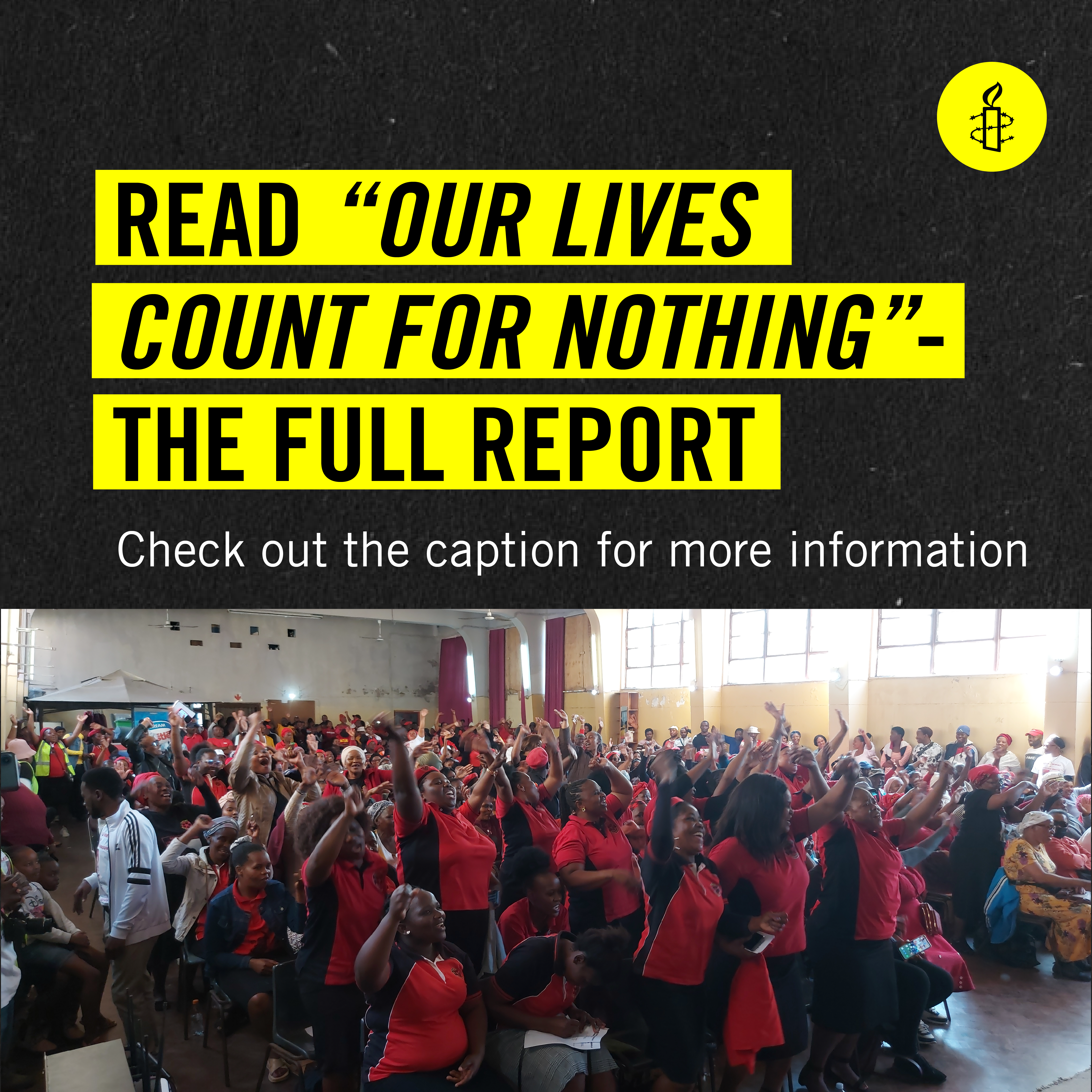
Our report, “Our lives count for nothing:” Threats, attacks and killings of members of Abahlali baseMjondolo (shack dwellers) movement in South Africa’s KwaZulu-Natal province, can be found here


AISA EXECUTIVE DIRECTOR SHENILLA MOHAMED WROTE AN OPINION PIECE ON THE PLIGHT OF ABM, WHICH WAS PUBLISHED IN DAILY MAVERICK:

Human rights defenders are being silenced through the barrel of a gun

Read it here

DOCUMENTARY: SILENCING THE DEFENDERS

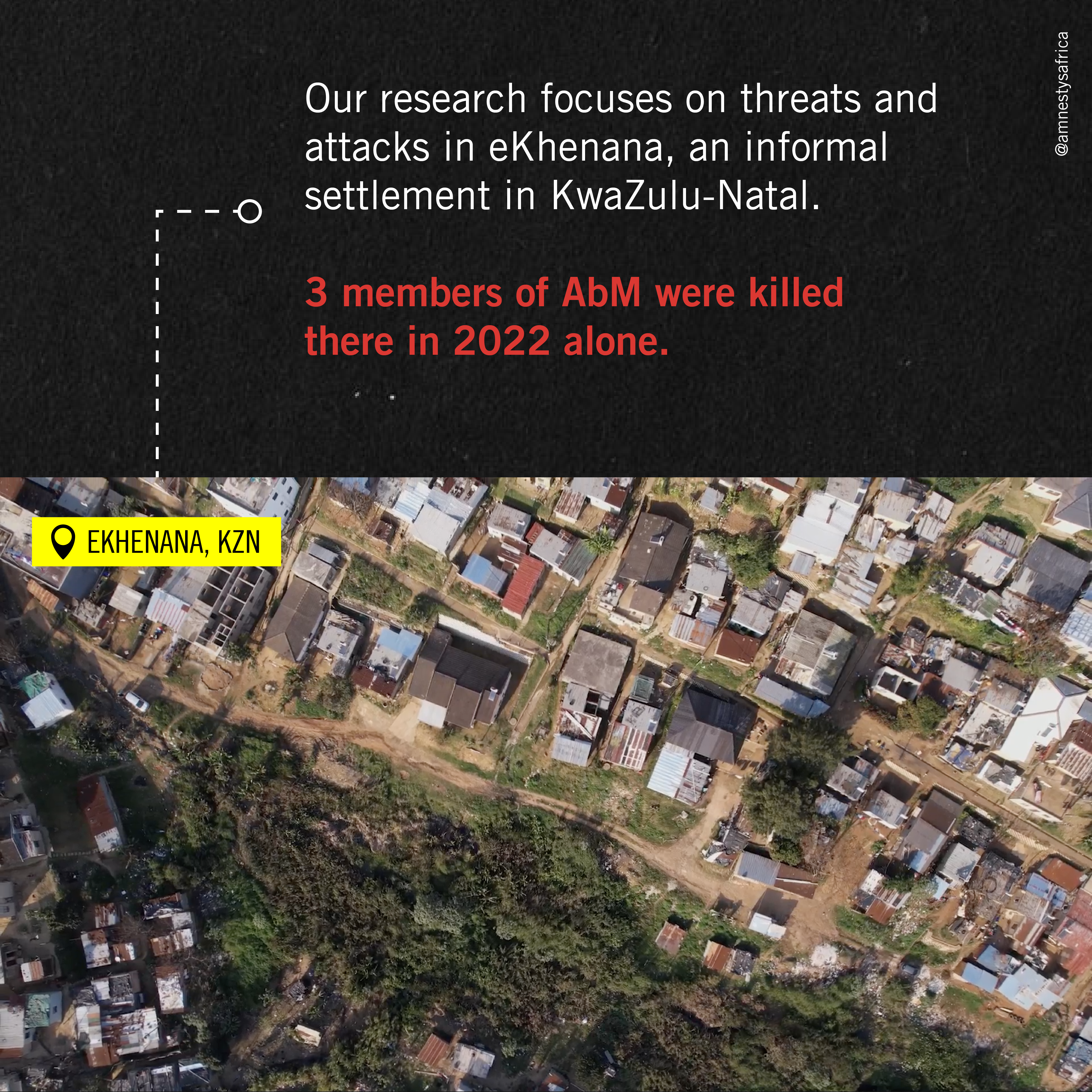
Amnesty International South Africa produced a documentary highlighting the challenges faced by AbM. We interviewed individuals impacted by the threats, attacks, and killings, and visited eKhenana to witness firsthand the work the movement has accomplished.

Watch the documentary below.


HUMAN RIGHTS EDUCATION

TAKE OUR ONLINE COURSE ON HUMAN RIGHTS DEFENDERS

We are thrilled to announce the launch of our new human rights education course that unpacks the important role human rights defenders play in South Africa, and globally. 

As you may know, human rights defenders in South Africa are facing grave threats, intimidation, and even violence for speaking out for the protection and realisation of all our rights. 

The course aims to empower you with the knowledge to become an effective advocate for HRDs. By taking this course, you’re not only contributing to raising awareness but also directly supporting the work of human rights defenders on the ground.

Click on the link below to enroll in the free online course today.


ACT NOW FOR INDIVIDUALS AT RISK

By Cassandra Dorasamy, Amnesty International South Africa Campaigner 

I had the good fortune of looking through Amnesty’s archives on South Africa this past month. In it were a number of files on action taken for South African anti-apartheid activists who were killed, detained or under threat. Through letter writing, petitions, and other forms of solidarity, an international audience was mobilised to call for the protection of these human rights defenders whose activism paved the way for South Africa’s democracy.

As part of a global movement, we continue to use this model to campaign with people from across the world who count on our solidarity for their protection and freedom. In this edition of Lesedi, we share three cases from countries in the region, with easy guidelines on how to take action. 


Zimbabwe: Citizens Coalition for Change Members 

On 16 June, police arrested and arbitrarily detained 79 members of the Citizens Coalition for Change (CCC) party. The group had gathered to commemorate the International Day of the African Child, but were charged with “gathering with intent to promote public violence and disorderly conduct”. Two minors were released and one person was given bail. The rest, 76 members, remain in custody while they await court proceedings.

Call on Zimbabwean authorities to immediately and unconditionally release all 76 CCC members and drop all politically motivated charges against them.


Angola: Adolfo Campos, Abraão Pedro Santos, Gilson Morreira, and Hermenegildo Victor José 

In the last edition of Lesedi, we shared the case of four Angolan activists who were arrested in 2023. They were summarily tried, convicted and sentenced without any evidence for “disobedience and resisting orders” after attempting to join a solidarity demonstration. We have since received an update that the health of three of the activists, Hermengildo, Adolfo, and Gilson, have deteriorated, largely due to them being denied access to medical treatment.

Their conviction stems solely from them exercising their right to protest. Use the model letter here or write an appeal in your own words, calling on the Minister of Justice and Human Rights in Angola to immediately release all four activists.


Eswatini: Mduduzi Macede Mabuza and Mthandeni Dube

Mduduzi Bacede Mabuza and Mthandeni Dube are members of the  Eswatini parliament who were detained amid a wave of pro-democracy protests in June 2021. They have been in arbitrary detention ever since. In July this year, they were sentenced to 85 years and 58 years in prison respectively after being convicted for allegedly inciting unrest during the pro-democracy protests in 2021. Their convictions and sentencing stem solely from the peaceful exercise of their human rights and is an attempt to suppress peaceful dissent.

Sign the petition here to demand the immediate release of both members of parliament and express your concern about the ongoing unrest in the Kingdom of Eswatini. 


STAND UP FOR THE BRAVE

Every day human rights defenders in South Africa face threats, intimidation, harassment and some have even lost their lives – all for standing up for human rights.

South Africa does not have specific domestic legislation or public policy for the protection of human rights defenders. But right now, we have a once in a generation opportunity to call for the development and adoption of domestic legislation to ensure their protection.

Take action and call on President Cyril Ramaphosa to commit to developing and adopting domestic legislation for the protection of human rights defenders by the end of 2025.

Let’s speak up for those who speak out for all of us.


add your voice: send an email to the president

Write a letter to and call on President Cyril Ramaphosa to ensure the government works together in addressing the high levels of child and teenage pregnancy in South Africa. Your voice, combined with others who feel the same, is a cry impossible to ignore.

Read more about the campaign here

Now is your opportunity to make a difference.


GET RID OF THE STINK

There are still over 1,700 schools in South Africa where illegal plain pit toilets are in use, displaying a continued disregard for the basic human rights of learners. These pit toilets not only violate the right to sanitation, which is enshrined in the Constitution, but also the right to health, education, dignity, privacy, and in some cases pose a serious risk to the right to life.

Sign the petition. Keep the government accountable for eradicating illegal plain pit toilets from all schools in South Africa by the end of 2024.

Empowering Change and Building Resilience

By Rejoyce Motaung, Amnesty International South Africa Activism Coordinator: Organising

Youth activism is the heartbeat of social change. As young people, we are at the forefront of movements that demand a more just and equitable world. Our involvement in campaigns and activism not only brings fresh energy but also ensures that the voices of future generations are heard. This quarter, AISA’s youth chapters brought fresh ideas and innovative approaches, challenging the status quo.

Through the opportunity to actively engage in campaigns, young people within the AISA movement were able to build leadership skills, through resilient networks, and create lasting impact within their constituencies. By persevering through setbacks, adapting to challenges, and continuing to advocate for justice, activists were able to recognise that their efforts contribute not just to immediate goals but also to long-term systemic change thereby taking ownership of their future and turning passion into action. 

As the AISA activists continue to call for justice for AbM and other movements alike, they not only impact society but create leaders who inspire others. By embracing youth leadership, we strengthen the collective power of people, ensuring our voices continue to shape the future of human rights.


AI UNIVERSITY OF JOHANNESBURG (UJ)

By Sihle (ALEX) Lekgwate, AI UJ CHAIRPERSON

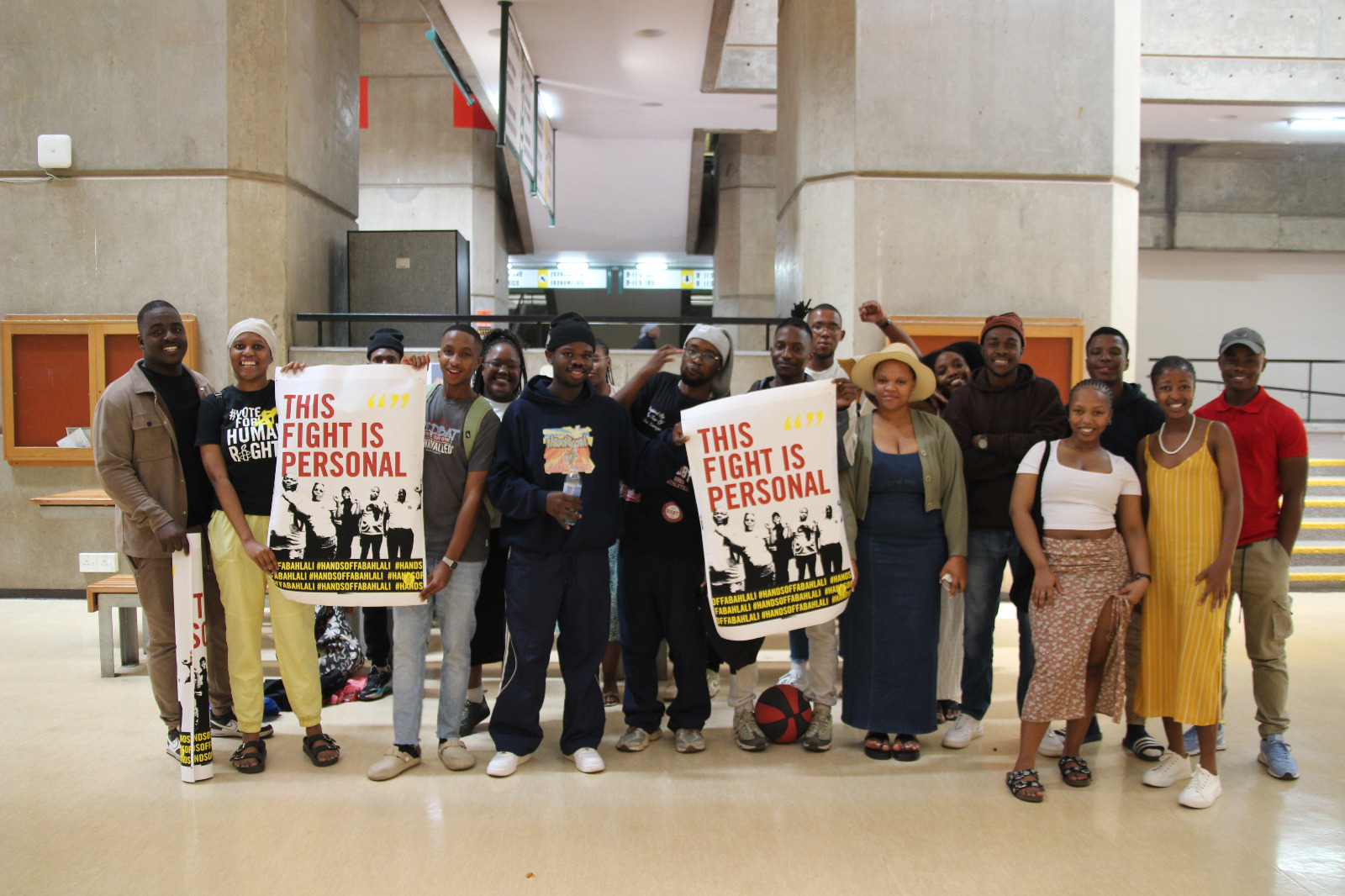
The UJ Chapter recently held a successful Women’s Day event, which drew an impressive crowd despite taking place mid-September. The event centred around the true meaning of appreciating women, particularly in the context of gender-based violence, which remains alarmingly high despite annual Women’s Day celebrations. The timing of the event in September was symbolic of the ongoing struggle women face, with participants reflecting on the urgent need for more action beyond ceremonial observances. The event led to an inspiring show of solidarity, with attendees signing a petition supporting justice for Nokuthula Mabaso, a former activist of the Abahlali BaseMjondolo movement, who was tragically murdered. AI UJ’s executive team played a vital role in ensuring the success of the event. This event is a strong reminder that honouring women requires more than celebration –  it demands continuous efforts toward justice and equality.

AI University of Pretoria (UP) SOCCER MATCH

by Motsidisi Rankwe, AI UP CHAIRPERSON

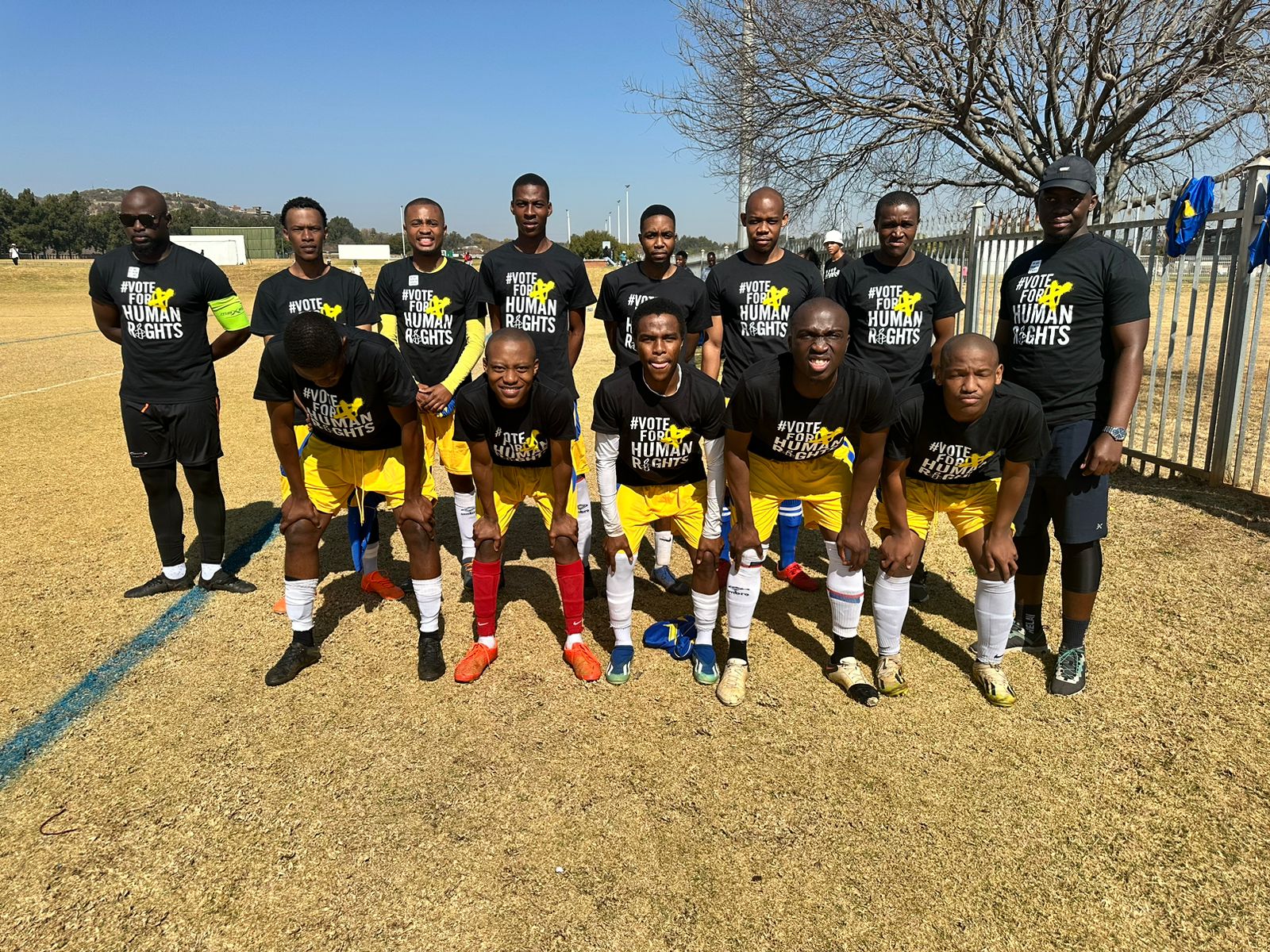
After being approached by a group of soccer players looking for a name to enter the res league at the university, I was thrilled at the chance to interact with a new audience and so was born the Amnesty International soccer team. Being out in the sun, surrounded by the energy of enthusiastic cheers and groans, was a refreshing change from our usual campaigning. I do wish we had capitalised on the early crowd as the tournament began, but it was still a great experience. The soccer team fought hard, securing two wins and two ties. Unfortunately, the last tie led to a penalty shootout where we narrowly lost 4-5. Despite the loss, this has been an exciting venture, one that I hope we continue to explore. It presents an opportunity for us as the AI UP chapter, not just for visibility, but also for connection, as it allows us to engage with different people in a vibrant setting. I’m excited for what’s to come.

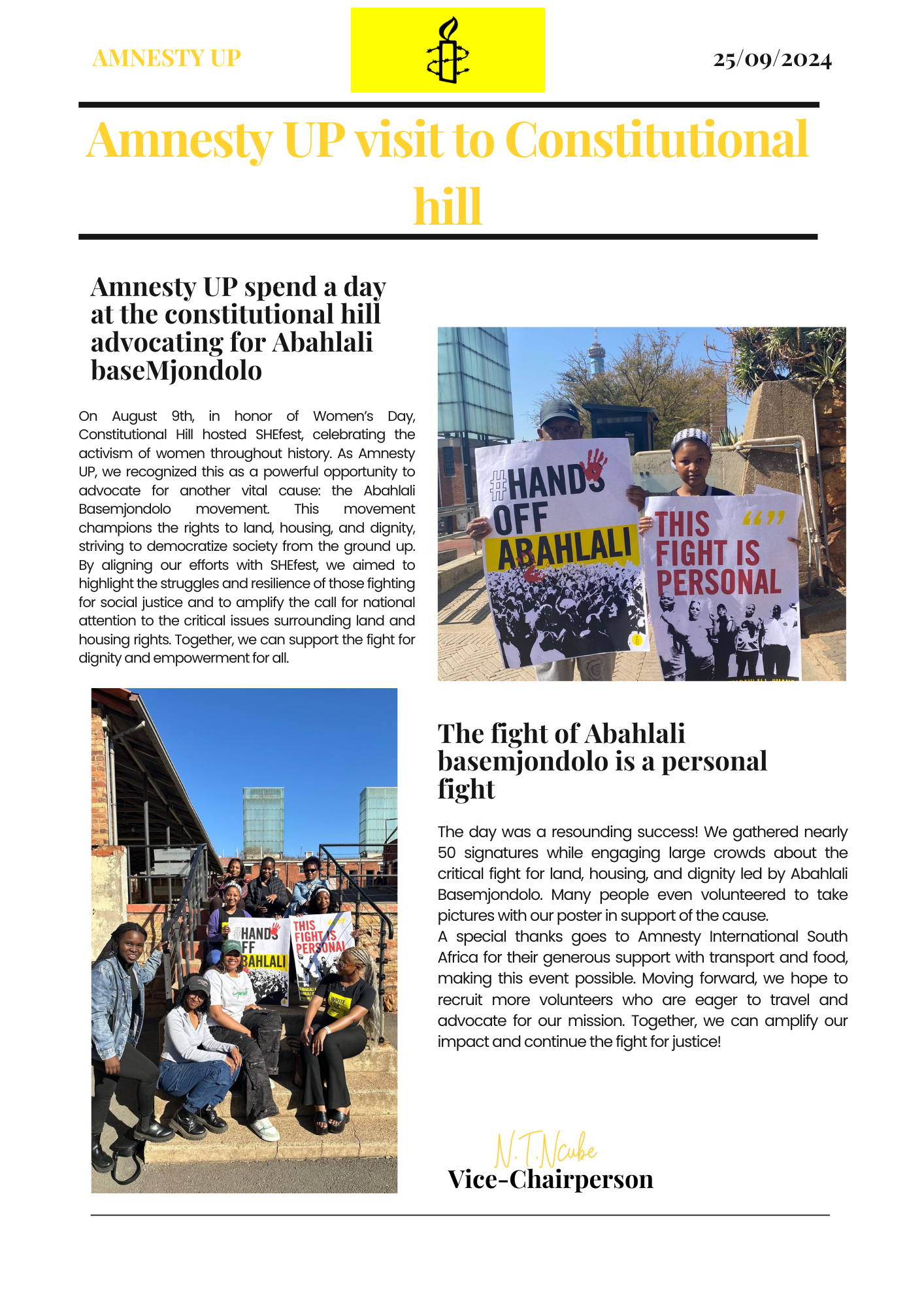
AI UP ConHill Visit, by N.T Ncube – Vice-Chairperson

On 9 August, in honour of Women’s Day, Constitution Hill hosted the SHEFest to celebrate the activism of women throughout history. As AI UP, we recognised this as a powerful opportunity to advocate for another vital cause: the AbM movement, which champions the rights to land, housing and dignity; and strives to democratise society from the ground up. By aligning our efforts with SHEFest, we aimed to highlight the struggles and resilience of those fighting for social justice and to amplify the call for national attention to the critical issues faced by the AbM movement. The day was a resounding success. We managed to collect nearly 50 signatures on the petition calling for legislation to protect human rights defenders. Many people even volunteered to take pictures with our poster in support of the cause. A special thanks goes to Amnesty International South Africa for their generous support with resources, transport and food which made this event possible. Moving forward, we hope to recruit more volunteers who are eager to travel and advocate for our mission. Together we can amplify our impact and continue the fight for justice. 


AI WALTER SISULU UNIVERSITY (BUTTERWORTH)

AI WSU (Butterworth) sharing insights on improving living conditions, by Ntokozo Nyambozi, Deputy Chairperson

This event organised by Amnesty International WSU Butterworth Chapter, brought together 50 enthusiastic people, made up of students and security personnel, to discuss the pressing issues faced by AbM. This gathering aimed to identify potential solutions to enhance their living conditions. Some of the event highlights include ⁠50 candidates attending and showcasing their ideas and concerns. Students and security guards actively participated, fostering a productive dialogue. Valuable insights and potential solutions were shared. “Interviews around Abahlali baseMjondolo exceeded my expectations. I had quality conversations with fellow students and gained valuable insights,” said Busiswa Zakuza, a student. We’re thrilled with the event’s success. The event’s success was made possible through the collaborative efforts of the organising team and the generous support of Amnesty International South Africa, who provided essential materials. 


 AI WALTER SISULU UNIVERSITY (MThatha) MOVIE NIGHT & MURAL PAINTING

by Zoliswa Mzaca, Chairperson

Our chapter held an event which combined student interests with raising awareness around the AbM campaign. The event was a movie night which focused on bringing a cinematic experience to students at our university as the Mthatha area does not have a cinema. Since the campaign is focused on the AbM movement, we thought it was necessary to educate students on the movement by providing them with a brief history and timeline of the movement as a foundation and thereafter engageing in group discussions after having watched the AbM documentary. Those who were able to attend said it was enjoyable and highly educational. 


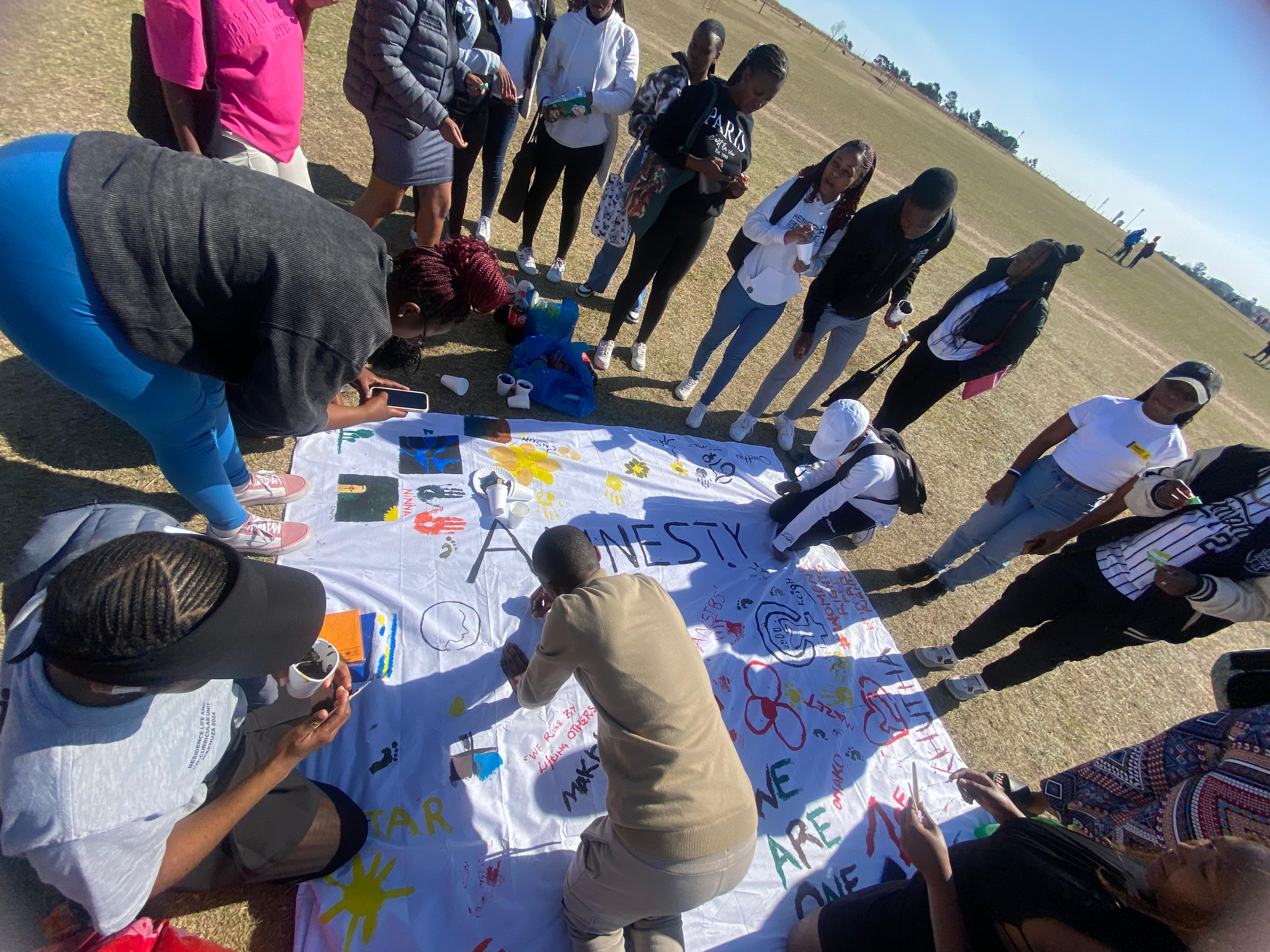
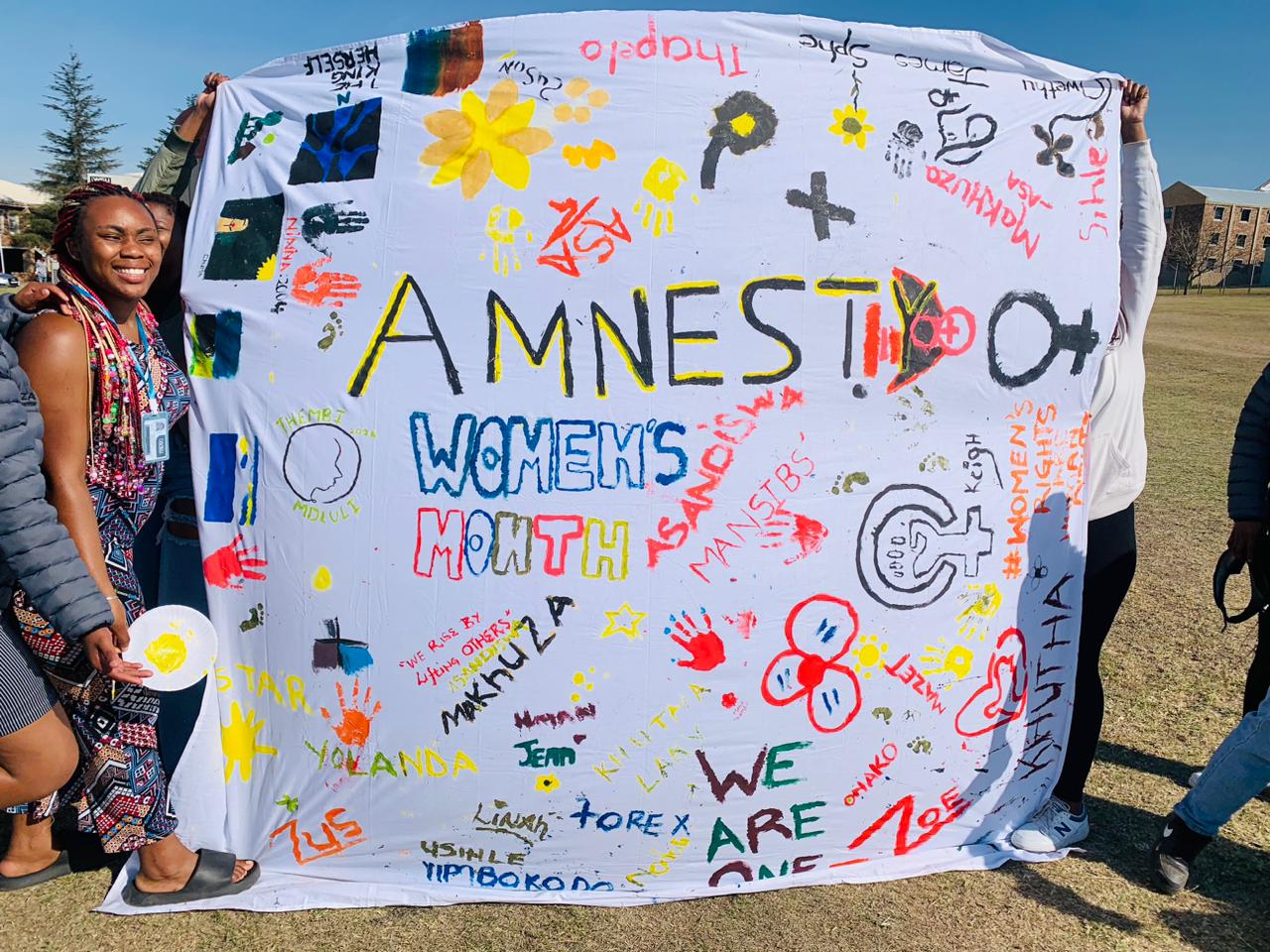
The AI WSU chapter organised a mural painting which focused on bringing students together and tapping into the talents of those who can draw. We invited the whole university community to participate and provided a fun time for students where they got to do something relaxing while also engaging in group discussions and reminding ourselves about human rights as individuals and the struggles faced by AbM activists.


AI UNIVERSITY OF CAPE TOWN (UCT) LGBTQI+ Panel Discussion

by Bronwyn Solecki, Chairperson 

AI UCT held a panel discussion on LGBTQIA+ issues. The turnout for the event surpassed our expectations. AI UCT aimed to have 20 audience members and in the end around 50 people vigorously participated in a discussion that was informative, nuanced, diverse, and fun. The best part of the panel discussion was the participation of the audience, where we could get very nuanced and diverse perspectives, beliefs, opinions, and backgrounds that added to an incredibly informative discussion. 


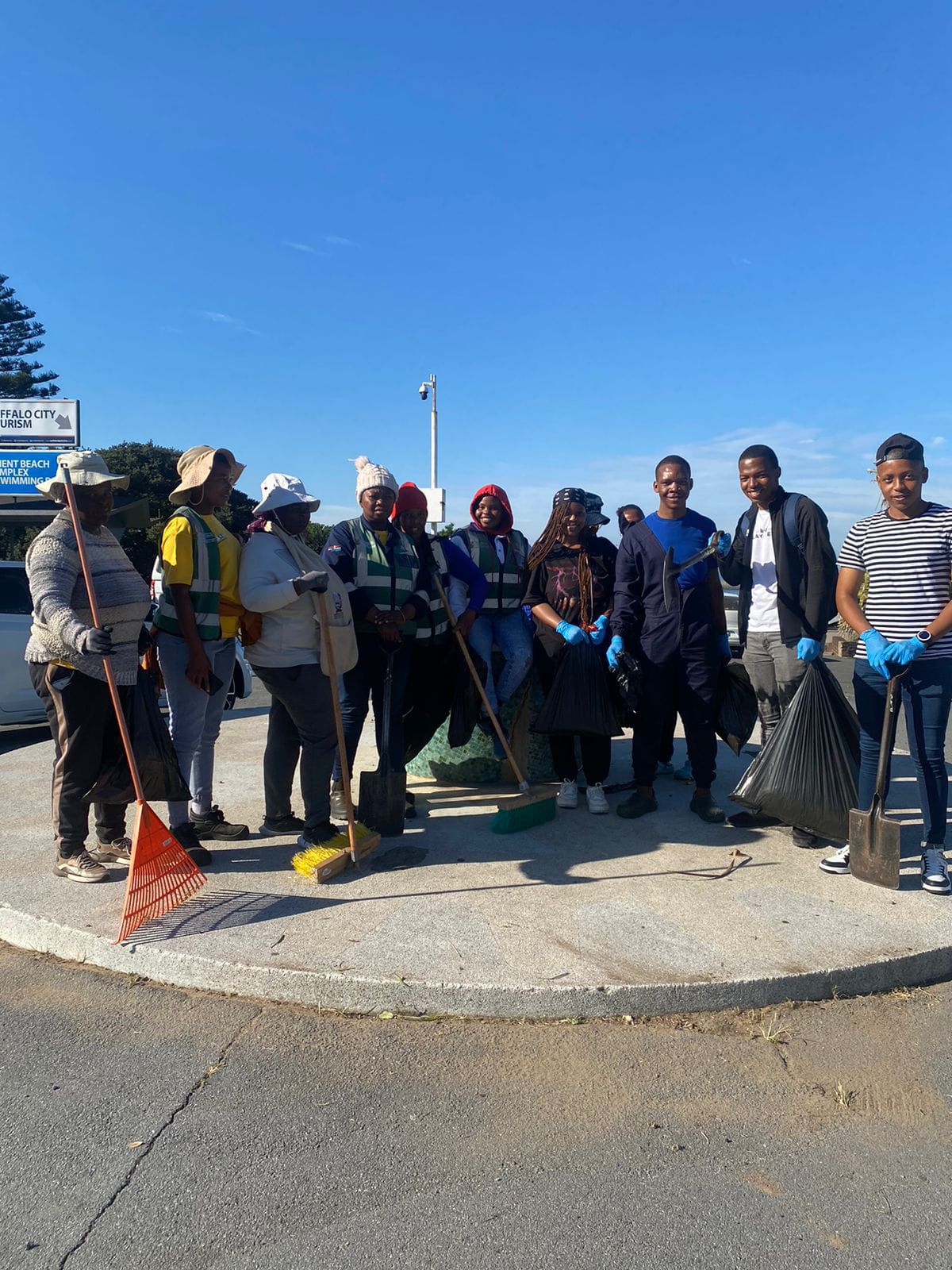
AI UNIVERSITY OF FORT HARE (UFH) MANDELA DAY BEACH CLEAN UP

Participants came together to clean up the East London beach while commemorating Nelson Mandela Day. The chapter collaborated with other organisations such as Junior Chamber International and Toastmasters-Soaring Eagles and dedicated 67 minutes to cleaning the beach. Through the event AI UFH recruited 18 new supporters who joined the clean-up initiative and supported the call for active citizenry during Mandela Day.


CHAPTER’S MID-YEAR REVIEW

by Rejoyce Motaung, Amnesty International South Africa Activism Coordinator: Organising

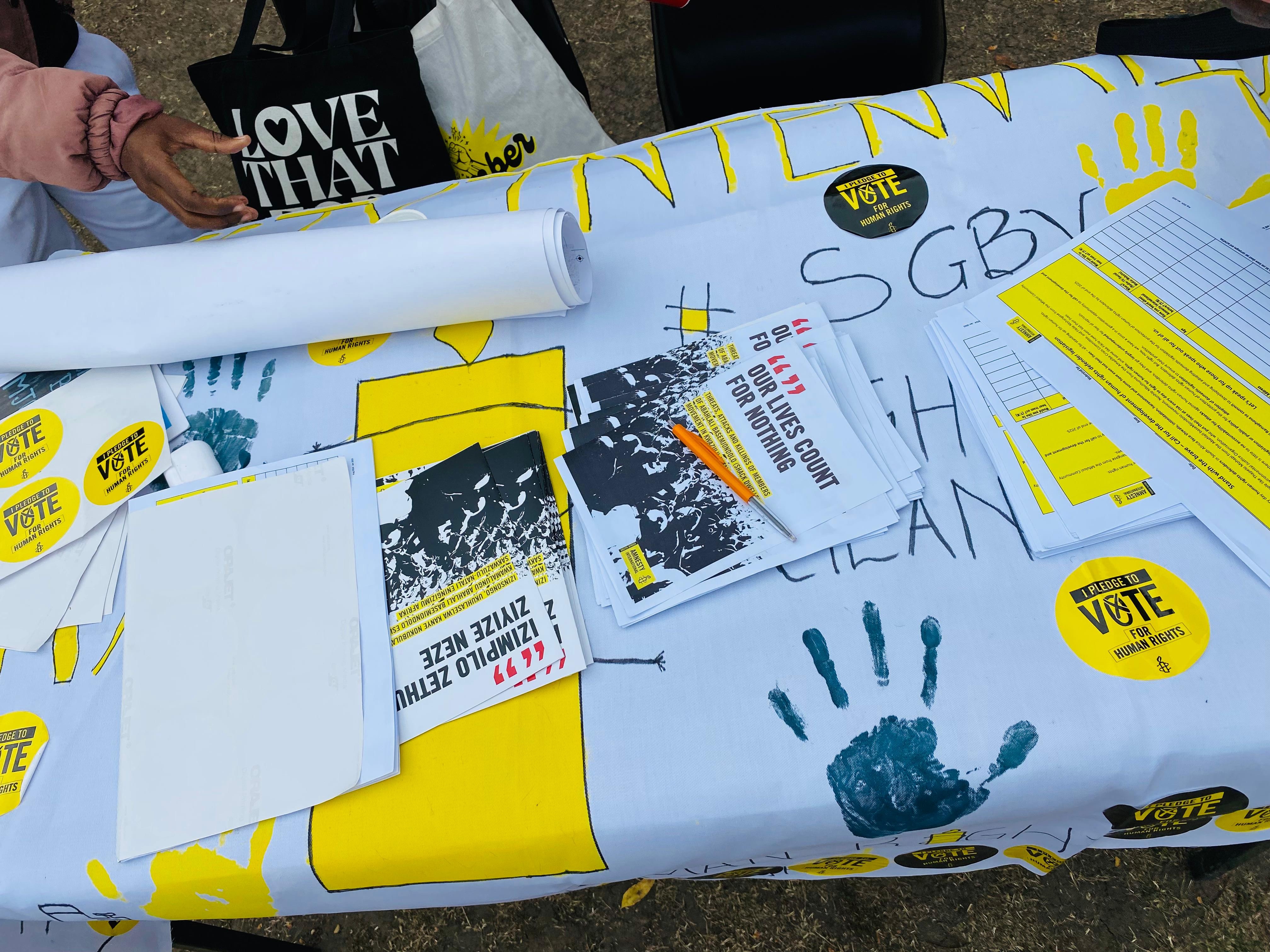
Amnesty International South Africa hosted its mid-year review with chapters at the AISA offices in Rosebank to evaluate the impact they had during the #VoteForHumanRights campaign. Key findings include that chapters managed to successfully conduct awareness raising and mobilisation activities, enhancing community participation in civic rights discussions. In addition to the mobilisation activities, chapters hosted several pop-up events collecting vox-pops, painting murals and hosting panel discussions on the importance of prioritising human rights when deciding on who to vote for and as a result, chapters contributed to the campaign’s success and an increase in the public’s awareness of human rights issues in the run-up to, and during, elections. The review confirmed the campaign’s positive influence, with plans for strategic adjustments to enhance future youth-led impact.


WELLNESS & MOTIVATION

Motivation by Sanelisiwe Ndlovu, Amnesty International University of KwaZulu-Natal  Chairperson

“No matter how much falls on us, we keep ploughing ahead. That’s the only way to keep the roads clear

— Greg Kincaid 

In the face of adversity, it is important to push forward for the greater cause of human rights. Many challenges may come our way, things may fall apart and differences between people may arise. We should use these differences and challenges as tools to come up with more innovative solutions. These differences allow us to gain diverse perspectives and with this, we should strive to establish some form of middle ground. The main objective is to remember the importance of our activism and using our privilege to amplify the voices of marginalised communities. 


Navigating Adversity: A chairperson’s Journey of Resilience and Success by Sihle (Alex) Lekgwate

Being the chairperson of the Amnesty International University of Johannesburg Chapter comes with unique responsibilities and, at times, overwhelming challenges.  This year I have faced several significant hurdles –  the resignation of key executive members, barriers from the student affairs office, a demanding academic schedule with exams and tests, and even a mugging incident that left me without crucial devices. Despite these obstacles, our chapter has remained resilient. With the support of the project manager, Mambo Mkize, and the remaining executive members, we continued to push forward, determined not to let adversity derail our efforts. Together, we successfully led an event for a campaign focused on the AbM movement, a powerful initiative aimed at raising awareness about human rights defenders. 

This experience has taught me what it means to actually be a leader, especially in uncertain times and in the face of adversity. It’s not easy, but being an example to others who aspire to follow in a path like mine helps me soldier on. Through it all, I aim to  remain steadfast, committed to my role, and determined to keep the chapter moving forward. Despite the personal and organisational setbacks, I’ve learned how to navigate adversity and lead with strength, ensuring that the chapter’s mission to fight for justice and equality continues uninterrupted.


South Africa: New administration must turn promises into action

The new administration must demonstrate its ability to provide basic services and uphold human rights for all residents of South Africa, Amnesty International South Africa said following President Cyril Ramaphosa’s address at the opening of Parliament.

“With this new government, we expect to see results. People in South Africa are tired of rhetoric and the ongoing struggle to secure their basic rights from the state and government officials who are supposed to ensure these rights are met,” Amnesty International South Africa Executive Director Shenilla Mohamed said.

“Service delivery in South Africa has been severely compromised by corruption, poor policy implementation, and neglect of key infrastructure, harming citizens who are constitutionally entitled to have their basic needs met and to live with dignity. The era of impunity must end. We demand real accountability from President Ramaphosa and his government of national unity. We want to see tangible improvements in people’s lives and the realisation of everyone’s rights.” 

Read the full statement here.


SOUTH AFRICA: TWELVE YEARS SINCE MARIKANA AND STILL PEOPLE ARE WAITING FOR REPARATIONS AND JUSTICE

Twelve years since the Marikana massacre and still more than 100 people are yet to receive justice and reparations from the state leaving them in limbo, the Socio-Economic Rights Institute of South Africa and Amnesty International South Africa said in a joint statement.

For the past two years, the Office of the Solicitor General has publicised that it has settled about R71m in loss of support to 34 of the families, comprising about 315 family members, between August 2018 and September 2019. What the office does not explain is that of these claimants, about 129 people have received nothing.

The police’s actions destabilised family arrangements by robbing the families of husbands, fathers, sons, brothers, and breadwinners all at once. Family life, already strained by the alienating lived experience of the migrant labour system, suffered further when many of the widows were forced to leave their children to seek employment after losing their breadwinners. These losses and the reverberations of the massacre are incalculable.

Read the full statement here.


In the third quarter of 2024, Amnesty International South Africa was interviewed on various human rights topics. 

Watch/listen to some of those interviews below. 


On 18 July, Amnesty International Executive Director Shenilla Mohamed spoke to Newzroom Afrika about the need for accountability ahead of the opening of Parliament following the 2024 elections. 

Watch the interview here.


On 25 July, Amnesty International Media & Comms Officer Genevieve Quintal spoke to Radio 702’s Bongani Bingwa about child and teenage pregnancy. 

Listen to the interview here.


On 7 August, Amnesty International South Africa Campaigner Cassandra Dorasamy spoke to SABC TV News about the launch of our Abahlali research report

Watch the interview here.

On 7 August, Amnesty International South Africa Campaigner Cassandra Dorasamy took part in a panel discussion on Newzroom Afrika with SERI’s executive director Nomzamo Zondo about the findings of our Abahlali report. 

Watch the interview here

BBC Focus on Africa podcast on the situation of Abahlali and Amnesty’s report. 

Listen here

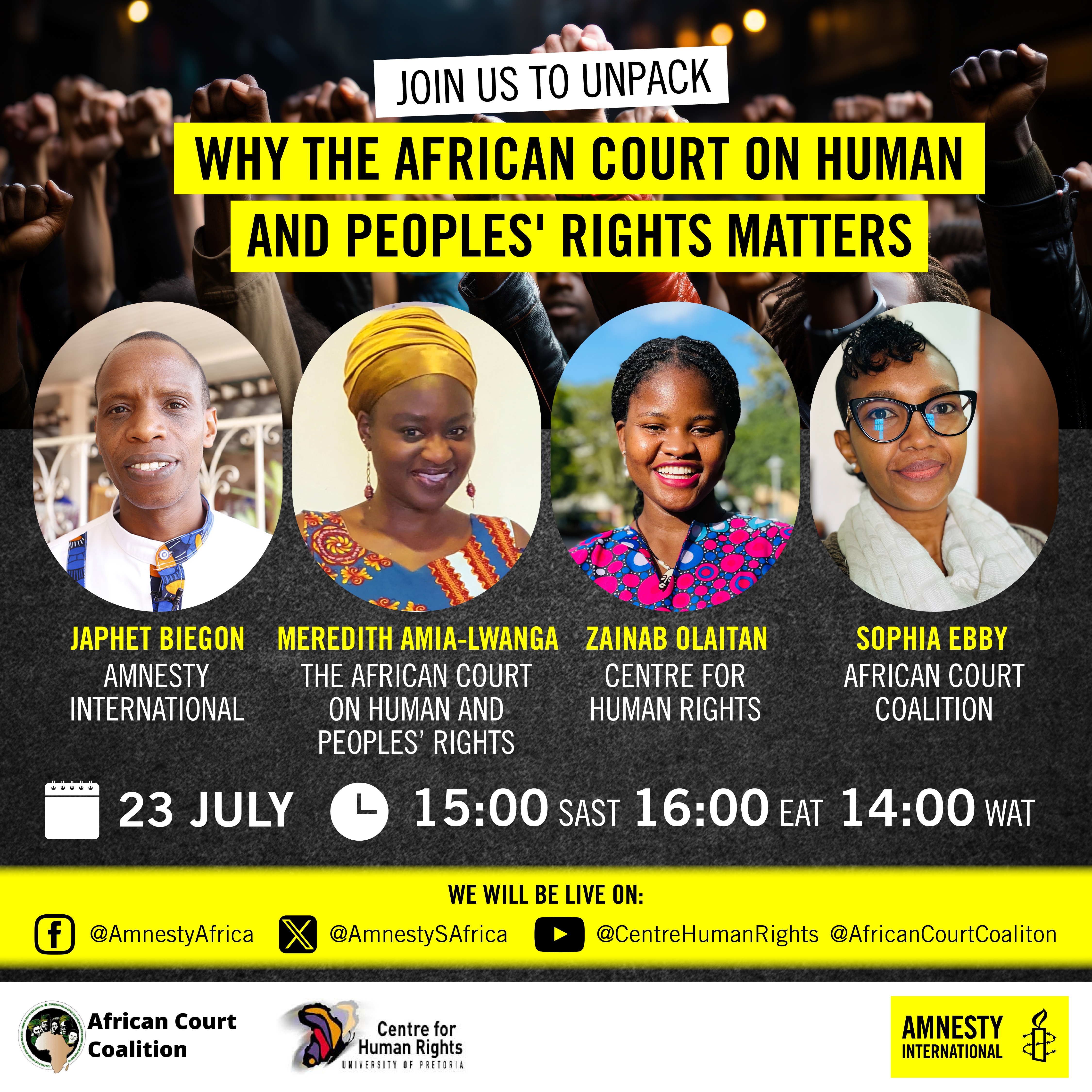
THE AFRICAN COURT ON HUMAN AND PEOPLE'S RIGHTS

In July, Amnesty International in close collaboration with partners, organised a webinar and invited practitioners and civil society members to speak freely about their vision for the African Court on Human and Peoples’ Rights. For years, Amnesty International has been committed to supporting the African Court on Human and Peoples’ Rights and increasing knowledge on the Court and its functions. We have also advocated to African Union member states to ratify the Protocol establishing the Court and to deposit the declaration allowing individuals and NGOs to directly access the Court.

WATCH A RECORDING OF THE WEBINAR HERE


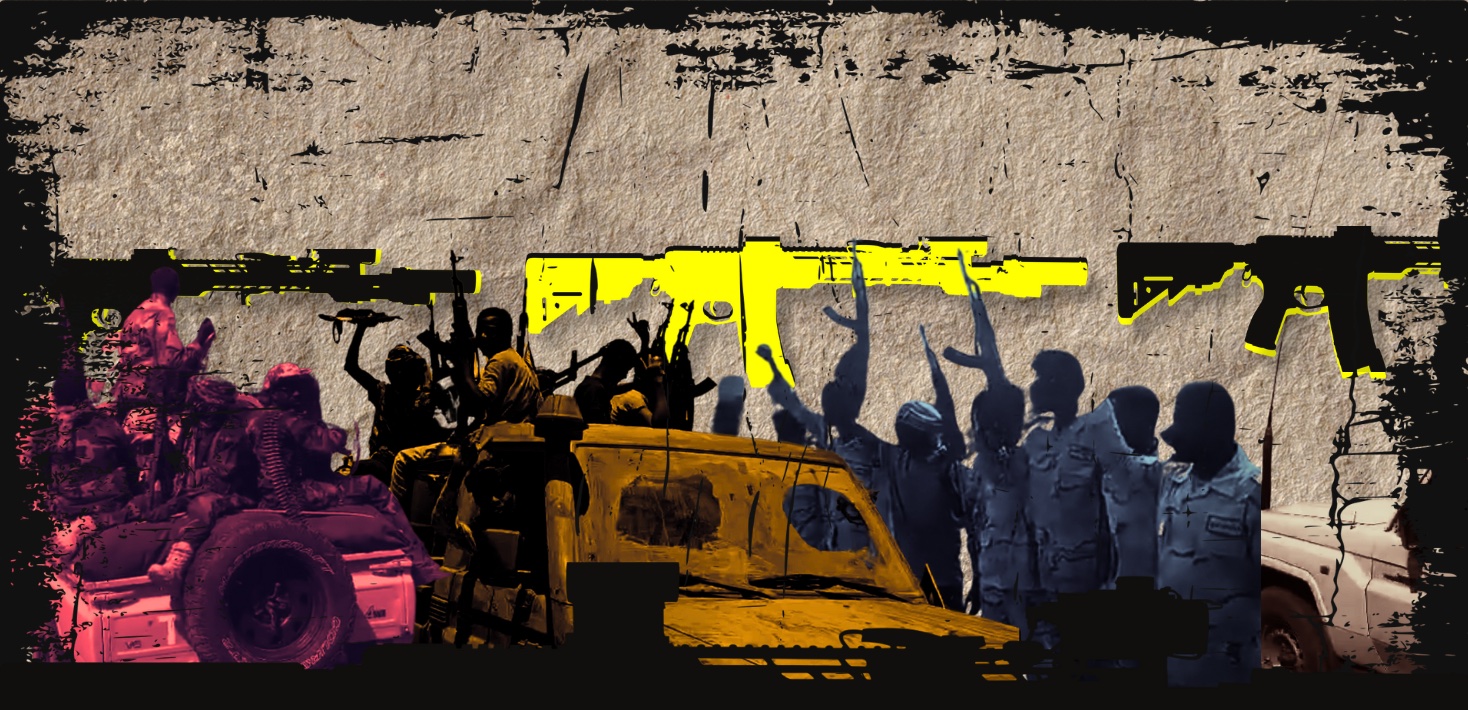
Sudan: Constant flow of arms fuelling relentless civilian suffering in conflict – new investigation

Weapons from China, Russia, Serbia, Türkiye, United Arab Emirates and Yemen identified

Existing arms embargo on Darfur completely ineffective

“This is a humanitarian crisis that cannot be ignored” – Deprose Muchena

The conflict in Sudan is being fuelled by a constant flow of weapons into the country, Amnesty International said today in a new briefing.

The briefing, New Weapons Fuelling the Sudan Conflict, documents how recently manufactured foreign weapons have been transferred into and around Sudan, often in flagrant breach of the existing Darfur arms embargo.

Amnesty International found that recently manufactured or recently transferred weapons and ammunition from countries including China, Russia, Serbia, Türkiye, the United Arab Emirates (UAE) and Yemen are being imported in large quantities into Sudan, and then in some cases diverted into Darfur.

To date, more than 16,650 people have been killed since the escalation in conflict between the Sudanese Armed Forces (SAF) and the Rapid Support Forces (RSF) in April 2023. 

“The constant flow of arms into Sudan is continuing to cause civilian death and suffering on an immense scale.

Read more about the invesitgation here


Pride ends with mixed feelings in southern Africa as LGBTI people register wins and setbacks

As we reflect on Pride, a month dedicated to celebrating LGBTI people globally, one cannot help but marvel at all the celebrations that took place all over the world, of LGBTI people embracing who they are with their loved ones. Bold and loud celebrations with beautiful colours dominated the month from Thailand to Namibia. Yet in some countries, the struggle for human rights continues in court rooms, to change laws that effectively demonise our own. Many countries are decriminalizing consensual same-sex relations all over the world-but some are lagging behind.  While we celebrate countries which have decriminalised consensual same-sex sex in southern Africa such as Angola, Botswana, Mozambique, South Africa, and most recently, Namibia; we hoped that those who haven’t, such as Malawi, would follow suit in confirming the unconstitutionality of such laws which infringe on freedom of expression and privacy.  

Read the full statement here.


Eswatini: Major setback as Supreme Court upholds repressive Suppression of Terrorism Act 

Responding to the news that Eswatini’s Supreme Court upheld controversial provisions of the Suppression of Terrorism Act on appeal, Amnesty International’s Deputy Director for East and Southern Africa, Vongai Chikwanda, said: 

“The Supreme Court’s decision to uphold this repressive legislation is a major setback for human rights in Eswatini. The authorities must immediately repeal the Act, or significantly amend it so that it is precise, targeted and fully in line with international human rights standards. 

“The law in its current form poses significant threats to freedom of expression, association and peaceful assembly. The Suppression of Terrorism Act is overly broad and vague, and authorities have frequently used it to arbitrarily arrest and prosecute dissenters and suppress media, including by branding political opponents, activists and journalists as ‘terrorists.’ 

Read the full statement here.


Mozambique: Sentencing of six police officers for shooting protesters ‘a step towards justice’

Amnesty International and Mozambique’s Centre for Democracy and Human Rights (CDD) have welcomed the sentencing of six police officers at the Mabalane District Court for the shooting of six local residents near Banhine National Park on 3 November 2020.

In 2021, Amnesty International called for a thorough investigation into the shooting, which led to the government initiating legal action that culminated in a recent conviction. The court concluded – based on confessions, expert reports and ballistic tests – that the shots fired by the officers were disproportionate and inappropriate, constituting a violation of human rights.

However, Amnesty International and CDD are concerned that the court’s plan for reparations for the victims does not reflect the severity of the crime committed. In lieu of prison sentences, the court ordered fines of 16,500 meticais (approximately £200) for each officer be paid to the victims. This token payment raises concerns regarding whether the court risks sending a message of impunity by not adequately addressing the gravity of the violations.

Read the full statement here


Angola: Immediately release activists wrongfully jailed for one year and denied medical care

Angolan authorities must immediately release four activists wrongfully detained for one year whose health has drastically deteriorated behind bars, Amnesty International said. 

Police arrested the four activists on 16 September 2023 in Luanda ahead of a planned protest in solidarity with motorcycle taxi drivers. Since then, Amnesty International has documented significant declines in their health amid a pattern of authorities deliberately denying them medical care at multiple different prisons, including urgent surgery, which amounts to torture and other ill-treatment. 

“One year in prison simply for peacefully protesting is a travesty of justice. Angolan authorities must release these activists now, especially given their worsening medical conditions,” said Vongai Chikwanda, Amnesty International’s Deputy Director for East and Southern Africa. 

“Deliberately denying medical care to people in prison is torture…” said Vongai Chikwanda.

Read the full statement here


GLOBAL: Tech systems worldwide are fueling gender inequalities 

Around the world various tech systems are reinforcing gender inequalities and entrenching racial, socio-economic systems of power, Amnesty International said in a briefing titled “Gender and Human Rights in the Digital Age.”  

Marginalized groups, including women and LGBTI people, face threats to their human rights due to extensive and improper data collection practices that do not reflect their individual realities. Governments justify such data grab tactics as a cost-saving solution to roll-out automated systems in the public sector for benefit payments, while Big Tech companies hoard and deploy personal user data for their lucrative surveillance-based business models. This under-regulated accumulation and processing of vast amounts of data not only constitutes harmful mass surveillance but also entrenches discrimination against women and LGBTI people. 

“From the unchecked implementation of digital ID systems to algorithms being used in social benefits systems, there is a growing trend to integrate technology into every aspect of daily life amidst a pre-existing global gendered ‘digital divide’, where access to technology has been restricted for some, driven by patterns of historical inequality,” said Imogen Richmond-Bishop, Technology & Economic, Social and Cultural Rights Researcher at Amnesty International.  

“Any technology introduced for governance is embedded within a discriminatory context of this existing digital gap.” 

Read more about the briefing here


We must act globally to safeguard the future of humanity

By Agnès Callamard, Secretary General at Amnesty International

Multiple wars, extreme inequality, a looming climate collapse, and new technologies capable of transforming our very existence have brought humanity to a crossroads. We have no time left for complacency or defeatism—only a shared responsibility to salvage the world that we owe to future generations.

Inaction and inadequate efforts to address these threats have left us in a world of turmoil. Its tensions and uncertainties are generating widespread anxiety, leaving people angrier, more disillusioned and more divided.

What “better” time then for the U.N.’s Summit of the Future? Taking place this month, it claims to be a “once-in-a-generation opportunity… to mend eroded trust and demonstrate that international cooperation can effectively achieve agreed goals and tackle emerging threats and opportunities.”

When humanity last faced a comparable multitude of challenges in the 1940s, world leaders rallied to plant the seeds for a system they hoped would safeguard future generations from hate, fear, and want. The U.N.’s nascent General Assembly adopted the Genocide and Geneva Conventions and the Universal Declaration of Human Rights—a global architecture that, although imperfect, enshrined universal protection for human rights.

Seventy-six years later we face another once-in-a-generation moment. World leaders will gather again to design an ostensibly better future. But the latest draft of the Pact that they’ll endorse at the Summit raises serious doubts about their ability to deliver on that promise.

First and foremost, it shows that leaders remain effectively unable or unwilling to respond to the catastrophic plight of the millions impacted by the conflicts in Gaza, Myanmar, Sudan, and Ukraine. The current draft is lacking on commitments to strengthen international justice and its proposals to address the veto use that frequently paralyzes the U.N. Security Council.

The draft does include important commitments and interesting proposals, such as extending Security Council membership to an African state, reforming the global financial system, and calling for new indicators to measure sustainable development progress more comprehensively than narrow metrics such as GDP. It also makes a concerted effort to revive the ailing multilateral system that is so key to global stability.

People young and old are resisting localized and globalized attacks on human rights. They are our greatest resource in the struggle to protect and uphold all the rights of all people.

However, it fails to offer an integrated and compelling vision of our future and often reiterates commitments that states have willfully ignored and repeatedly violated. For instance, its modest vow to “strengthen efforts” to uphold fundamental freedoms is almost laughable given the dire state of human rights protections around the world.

While reiterating the importance of swift and effective action to address climate change, environmental degradation, and biodiversity loss, the Pact fails to address several major barriers to this. In addition, although the draft references the decision from COP28 to “transition away from fossil fuels,” it’s even weaker than that agreement, which was already undermined by an array of get-out clauses. The Pact should be bold and forward-looking, not a rehash of an existing, watered-down agreement.

Over the last decade, the U.N. has intentionally erected barriers to prevent civil society engagements in U.N. proceedings. The draft Pact won’t alter this state of affairs,  offering only a tepid commitment for more cooperation. If it pays mere lip service to the very stakeholders pushing for a bolder vision and more effective solutions, the U.N. risks squandering this historic opportunity to right the course of the world. 

Like many other NGOs, Amnesty International has encountered obstacles while working to make its voice heard in the leadup to the Summit. We welcomed the opportunity to submit a range of recommendations to place people at the heart of the Pact, but strongly regret that many civil society organizations consulted on the draft will be shut out when world leaders negotiate the final agreement. 

Yet we will never stop striving for a better world. With humanity facing challenges that were unforeseeable in the 1940s, Amnesty International has established a 2048 Commission to design a 21st century global governance system rooted in human rights. Our Commission will advise on the makeup, resourcing, and operation of such a system—ensuring it is fully equipped to uphold universal human rights in this era of rapid and unpredictable change.

For we and human rights defenders the world over know the time for action is now. From Fridays for Future and the Amazonian girls risking their lives to defend the rainforest, to those bravely resisting Iran’s war on women, and the millions demanding an end to the carnage in Gaza, people young and old are resisting localized and globalized attacks on human rights. They are our greatest resource in the struggle to protect and uphold all the rights of all people.

As the Summit of the Future unfolds, member states must uphold their U.N. Charter pledge to be accountable to “the peoples of the world” and start laying the foundations of a sustainable, human rights-based future.

This was originally published by Newsweek
 

Israel/OPT: Israeli military must be investigated for war crime of wanton destruction in Gaza – new investigation

Farms bulldozed and apartment blocks demolished across eastern Gaza

Satellite imagery and social media videos reveal extent of destruction

Thousands of homes destroyed and land left uninhabitable

The Israeli military’s campaign to significantly expand a “buffer zone” along the eastern perimeter of the occupied Gaza Strip should be investigated as the war crimes of wanton destruction and of collective punishment, Amnesty International said in a new investigation.

Using bulldozers and manually laid explosives, the Israeli military has unlawfully destroyed agricultural land and civilian buildings, razing entire neighbourhoods, including homes, schools and mosques. 

By analyzing satellite imagery and videos posted by Israeli soldiers on social media between October 2023 and May 2024, Amnesty International’s Crisis Evidence Lab identified newly cleared land along Gaza’s eastern boundary, ranging from approximately 1km to 1.8km wide. In some videos, Israeli soldiers are seen posing for pictures or toasting in celebration as buildings are demolished in the background.

“The Israeli military’s relentless campaign of ruin in Gaza is one of wanton destruction. Our research has shown how Israeli forces have obliterated residential buildings, forced thousands of families from their homes and rendered their land uninhabitable,” said Erika Guevara-Rosas, Amnesty International’s Senior Director for Research, Advocacy, Policy and Campaigns.

“Our analysis reveals a pattern along the eastern perimeter of Gaza that is consistent with the systematic destruction of an entire area. These homes were not destroyed as the result of intense fighting. Rather, the Israeli military deliberately razed the land after they had taken control of the area.

Read more about the investigation here


Lebanon/Israel: Fears for safety of civilians grow as devastating death toll in Lebanon continues to rise

The exponential rise in the death toll in Lebanon in September amid an escalation in hostilities between Israel and Hezbollah is a reminder of the crucial need for all parties to the conflict to abide by their obligations under international humanitarian law, Amnesty International said.

On Monday, 23 September, alone, at least 558 people, including 50 children and 94 women, were killed and more than 1,800 injured by Israeli attacks in Lebanon, according to the Lebanese Health Ministry, as Israel announced the start of Operation Northern Arrows. Scores more have been killed since. Hezbollah attacks on Israel have also significantly intensified and according to Israeli media reports, at least 15 people were injured, the majority by shrapnel or debris and others while trying to access shelter.

Read the full statement here.


Demand a ceasefire by all parties to end civilian suffering

What can you do to help?

Sign our petition and urge world leaders to call for an immediate ceasefire by all parties and put an end to the ongoing humanitarian catastrophe in Gaza.  


Israel must implement UNGA resolution by ending its unlawful occupation of Palestinian Territory

Responding to the adoption of a UN General Assembly resolution today demanding that Israel end its unlawful presence in the Occupied Palestinian Territory (OPT) within 12 months, in compliance with the International Court of Justice’s (ICJ) July advisory opinion, Amnesty International’s Secretary General, Agnès Callamard, said:

“Today’s resolution makes crystal-clear that Israel’s 57-year occupation of the Occupied Palestinian Territory, in flagrant violation of international law, cannot be allowed to continue any longer.

“Israel must comply with the resolution immediately by withdrawing its forces from the West Bank, including illegally annexed East Jerusalem, and the Gaza Strip, occupied since 1967. Israel must also remove all settlers from the occupied West Bank, including East Jerusalem, and reverse its annexation, both in law and in practice.

“This resolution vindicates long-standing calls from the Palestinian people and many countries around the world, by pursuing the implementation of the ICJ’s historic advisory opinion which confirmed Israel has a legal obligation to end its unlawful occupation of the OPT and its systemic discrimination against the occupied Palestinian population.

Today’s resolution makes crystal-clear that Israel’s 57-year occupation of the Occupied Palestinian Territory, in flagrant violation of international law, cannot be allowed to continue any longer.

“For decades Israel’s unlawful occupation has brought injustice, bloodshed and suffering to Palestinians on a mass scale. Over the past 11 months the systematic human rights violations that are a hallmark of Israel’s brutal occupation and system of apartheid have drastically intensified.
Read full statement here.


BECOME A VOTING MEMBER TODAY AND HELP STEER AMNESTY INTERNATIONAL SOUTH AFRICA’S FUTURE.

Ready to stand up and defend justice, freedom and equality for all? Believe in people power? Eager to use your passion for human rights to help shape our movement?

Our members make change possible. They’re the people we call on whenever and wherever human rights are under attack. Their actions, big and small, put pressure on governments, institutions and decision-makers to do the right thing.

JOIN THE AMNESTY MOVEMENT

HELP US BRING LIGHT TO INJUSTICES AND PROTECT HUMAN RIGHTS TODAY.