The second quarter of 2024 has been eventful, not just for Amnesty International South Africa, but for the entire country. In May, South Africa held its seventh general election, which resulted in no political party securing an outright majority, necessitating the formation of a coalition government, now known as the Government of National Unity. As a human rights organisation, our focus is not on who is in power or their political views, but on ensuring that those serving the people of South Africa uphold the human rights of everyone in the country.
This has been our call ahead, during and after the elections.
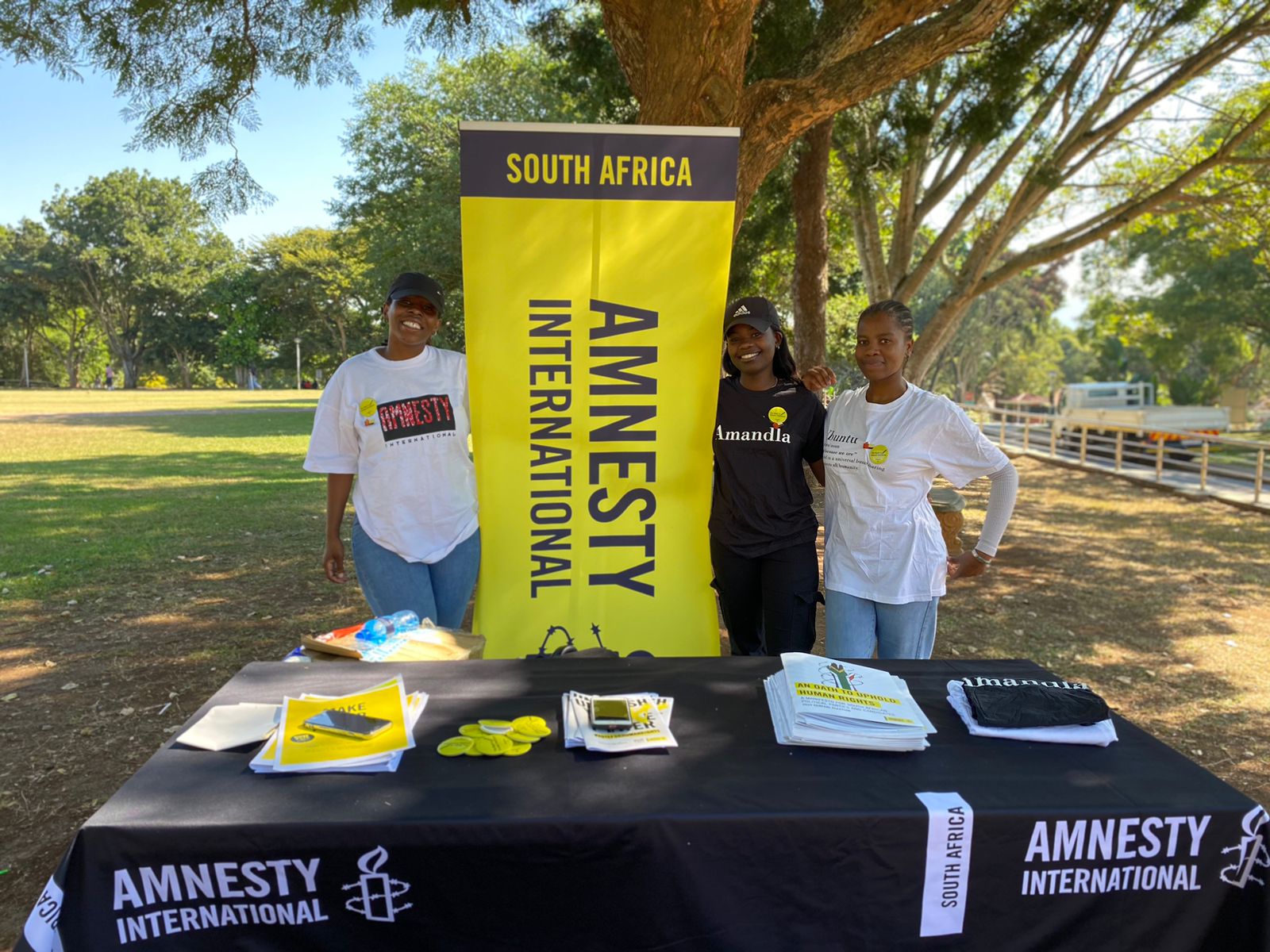
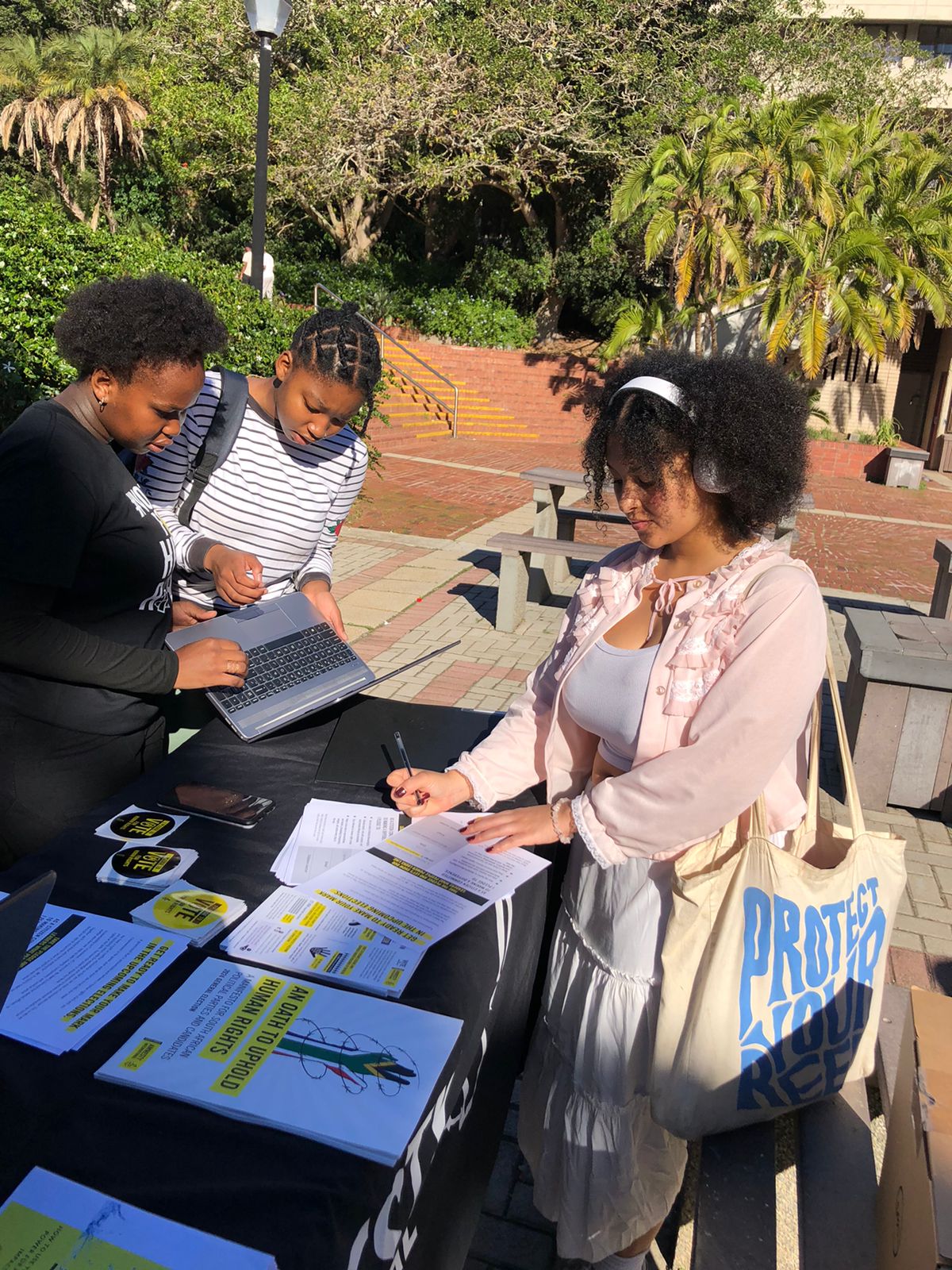
In the run up to elections, Amnesty International South Africa put together its Human Rights Manifesto focusing on 10 issues crucial for political parties and candidates to commit to, to ensure that the rights of all those who live in South Africa are upheld. This was part of our #VoteForHumanRights campaign, which also encouraged citizens who were eligible to vote to consider human rights when they made their mark on 29 May 2024. Amnesty International is non-partisan and does not endorse any political party or candidate, but our aim was to inspire people to make informed decisions based on the state of human rights in South Africa, and to vote with purpose.
While elections may be over our call is clear, that the commitment to a better life for all and the realisation of human rights in South Africa must remain steadfast.
Human Rights needs to come first!
The country celebrated 30 years since its first election after the fall of apartheid, and while there have been many positive gains since 1994, many challenges still persist and unfortunately, we are not seeing the realisation of rights for everyone. Human rights defenders, for instance, are still facing death threats, attacks or are being killed. In April, Amnesty International South Africa took up the plight of former Abahlali baseMjondolo (AbM) General Secretary Nomsa Sizani, who started facing death threats after questioning government officials. Amnesty International South Africa put out an urgent call to the entire global movement asking them to help us shine a light on Nomsa’s case and that of all HRDs. The protection of HRDs is paramount to the functioning of any society and we need to ensure that they are able to do their work without fear. You can read more about Nomsa’s case, and other individuals at risk in this edition of Lesedi.
Amnesty International’s annual The State of the World’s Human Rights report, which assesses human rights in 155 countries, was released globally in April. The report painted a sobering picture of the ongoing challenges faced by South Africa, and despite the hard-fought victories against apartheid, millions still grapple with the denial of their fundamental human rights.
Meanwhile, globally, powerful governments are casting humanity into an era devoid of effective international rule of law, with civilians in conflicts paying the highest price.
The world is reaping a harvest of terrifying consequences from escalating conflict and the near breakdown of international law. Israel’s flagrant disregard for international law is compounded by the failures of its allies to stop the indescribable civilian bloodshed meted out in Gaza. Alongside the ongoing war between Russia and Ukraine, the growing number of armed conflicts, and massive human rights violations witnessed, for example, in Sudan, Ethiopia and Myanmar – the global rule-based order is at risk of decimation.
In a positive move, South Africa has acceded to International Convention on the Suppression and Punishment of the Crime of Apartheid, which came into effect for South Africa on 13 June.
Amnesty International South Africa has done some exciting work with Joe Public Union (JPU) on our campaign to have the government eradicate pit toilets. In April, a three-year-old boy drowned in a pit toilet in the Eastern Cape. It is unacceptable that the government has still not gotten rid of these dangerous toilets. We also worked with JPU on a campaign to help stem the tide of increased child and teenage pregnancy in the country. Did you know that more than 105,000 children and teenagers gave birth in a single year? You will read more about these extremely creative campaigns in Lesedi.
I am happy to report that there was a little bit of good news this quarter for the fight against gender-based violence in the country. President Cyril Ramaphosa signed the National Council of Gender-Based Violence and Femicide Bill into law in May. This is a positive step towards ensuring the effective roll out of the National Strategic Plan on Gender-based Violence and Femicide which was adopted in 2020. What we need now is proper implementation.
Last but not least, June was Youth Month in South Africa, with 16 June commemorating the historic 1976 Soweto uprising, which saw thousands of black students take to the streets in protest against the apartheid government’s Bantu education system with many of them being killed and injured by the regime. You can read what our youth and chapters have been up to this quarter in this edition of Lesedi as well.
This quarter has reinforced the importance of prioritising human rights. To build a future where everyone enjoys these rights, they must be at the forefront of our efforts. This commitment is essential for creating a better future for the next generation.
Aluta Continua
Shenilla Mohamed
ELECTIONS MAY BE OVER, BUT OUR HUMAN RIGHTS CALL CONTINUES
By Genevieve Quintal, Amnesty International South Africa Media and Communications Officer
South Africa held its seventh democratic election on 29 May 2024, in the same year the country celebrated 30 years since the end of apartheid in 1994.
The 2024 election was seen and touted as a pivotal moment for South Africa. While important progress has been made since 1994, particularly regarding developing progressive domestic legislation, implementation thereof remains a challenge. An unemployment rate of 31.9%, combined with poverty and inequality, which have been exacerbated by Covid-19 and corruption, heighten the risks of social instability. The impact of loadshedding (electricity cuts) has had negative ripple effects on basic rights, including access to water, health care, and education.
#VoteForHumanRights
Ahead of the elections, Amnesty International South Africa developed a Human Rights Manifesto focusing on 10 issues crucial for political parties and candidates to commit to, to ensure that the rights of all those who live in South Africa are upheld. It gives an overview of the current state of human rights in the country and provides concrete recommendations to the incoming administration, whoever it may be, on how to tackle each of these. Some of the issues we have included are the staggeringly high rates of gender-based violence, the lack of access to adequate water for millions of people, the challenges with access to basic education, and the problems faced within the public healthcare system, to name a few.
The manifesto was sent to political parties and independent candidates along with a request for them to sign a pledge outlining their commitment to upholding human rights if elected. Four political parties and one independent candidate signed the pledge.
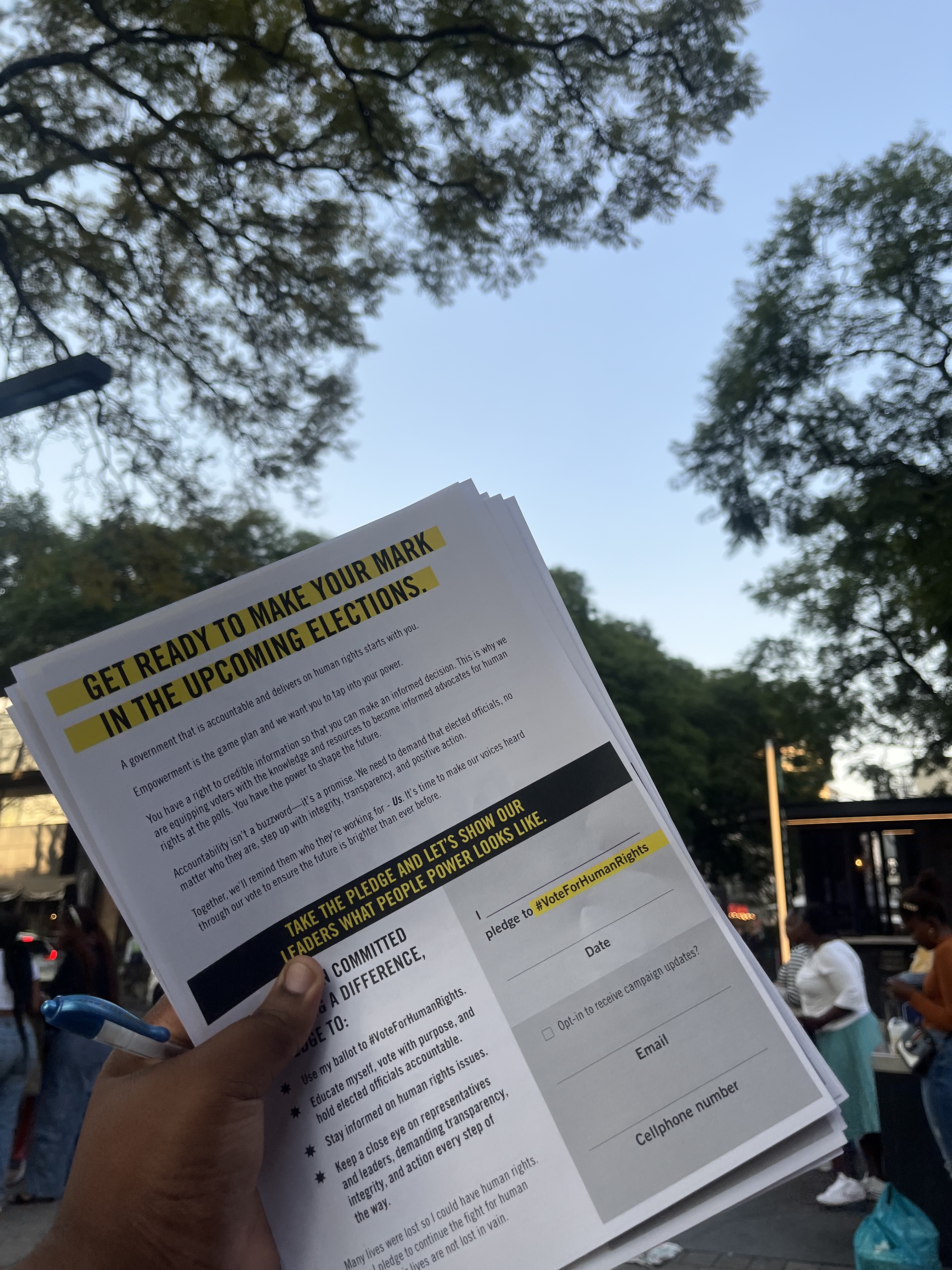
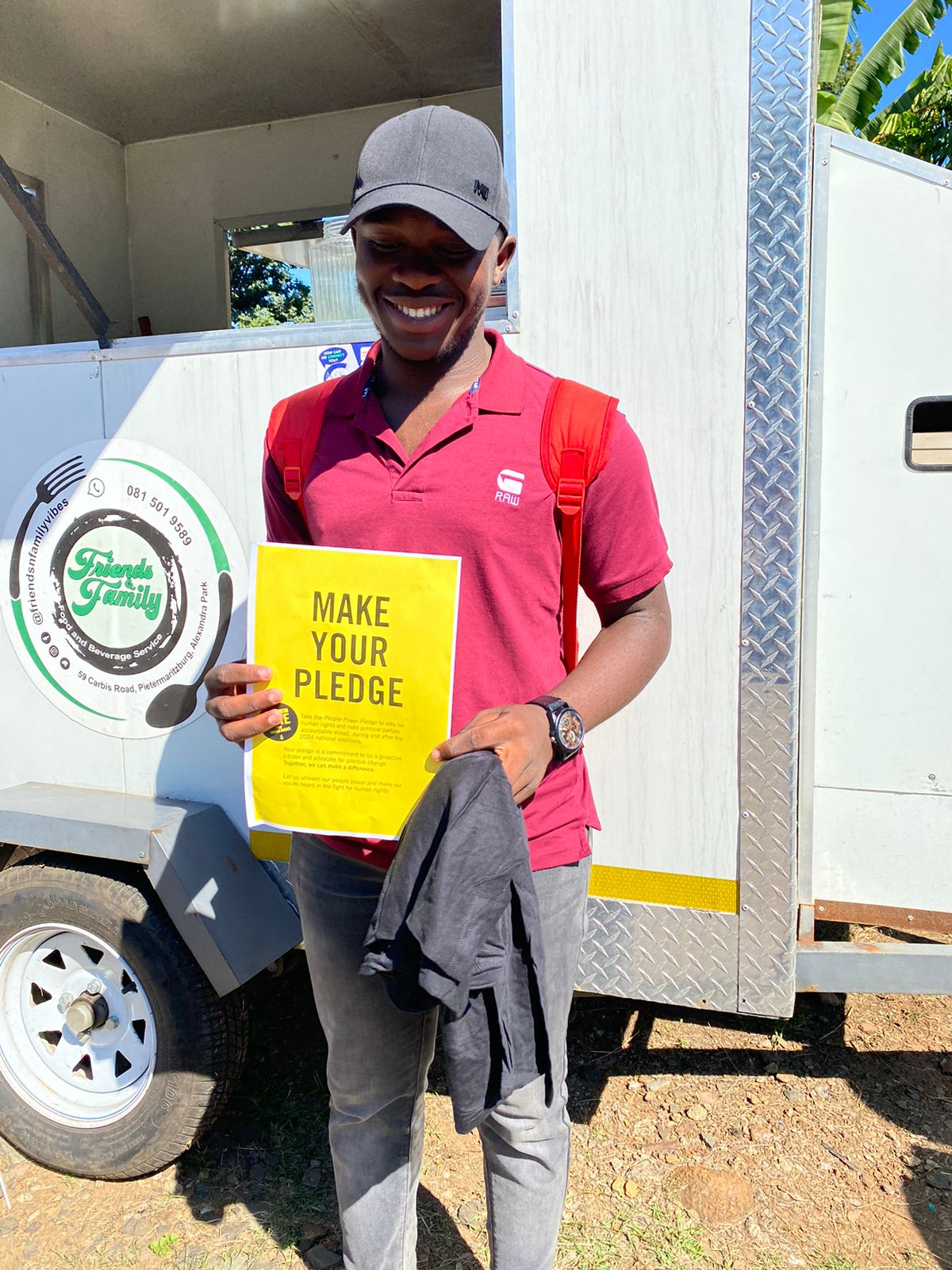
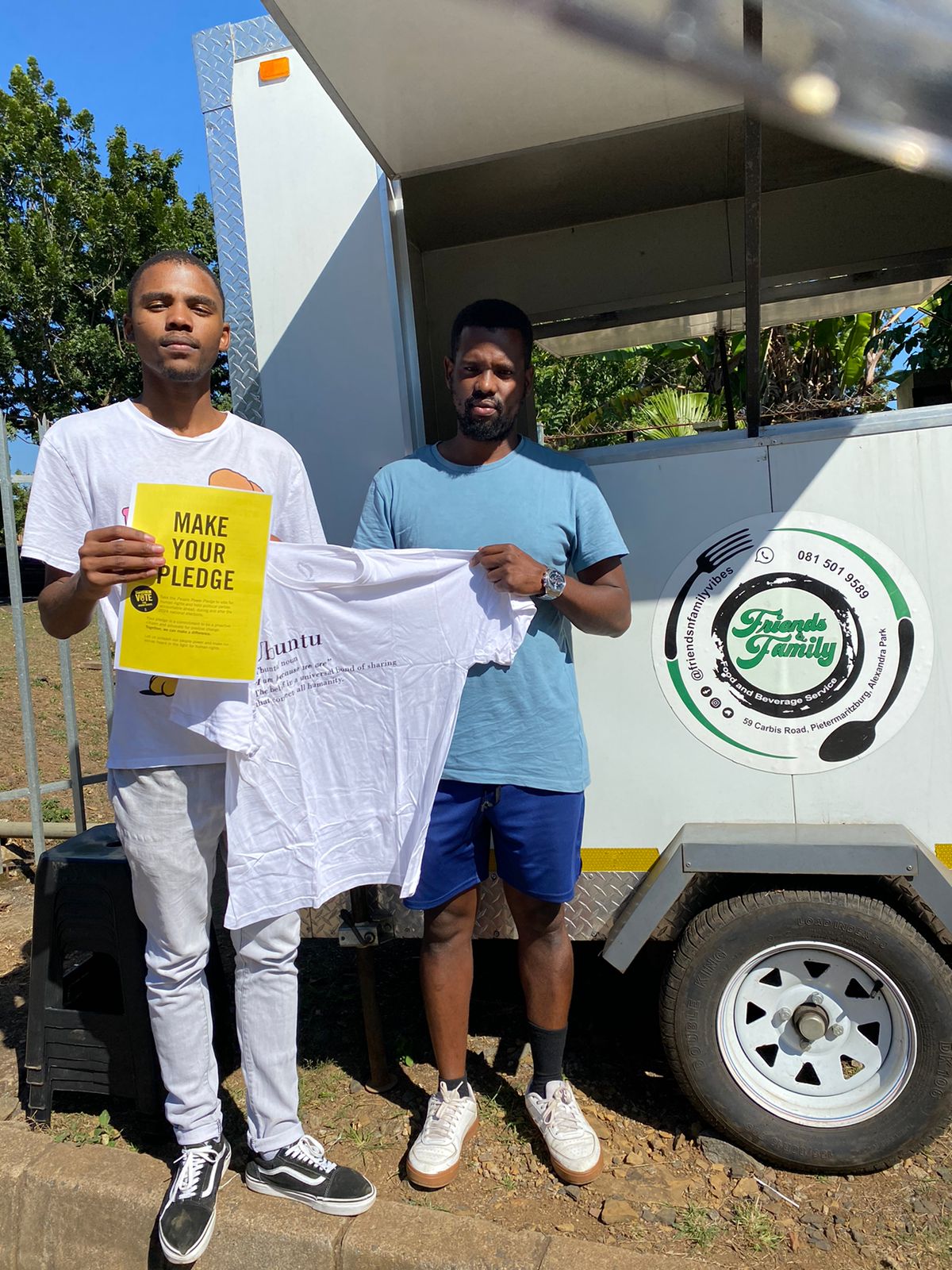
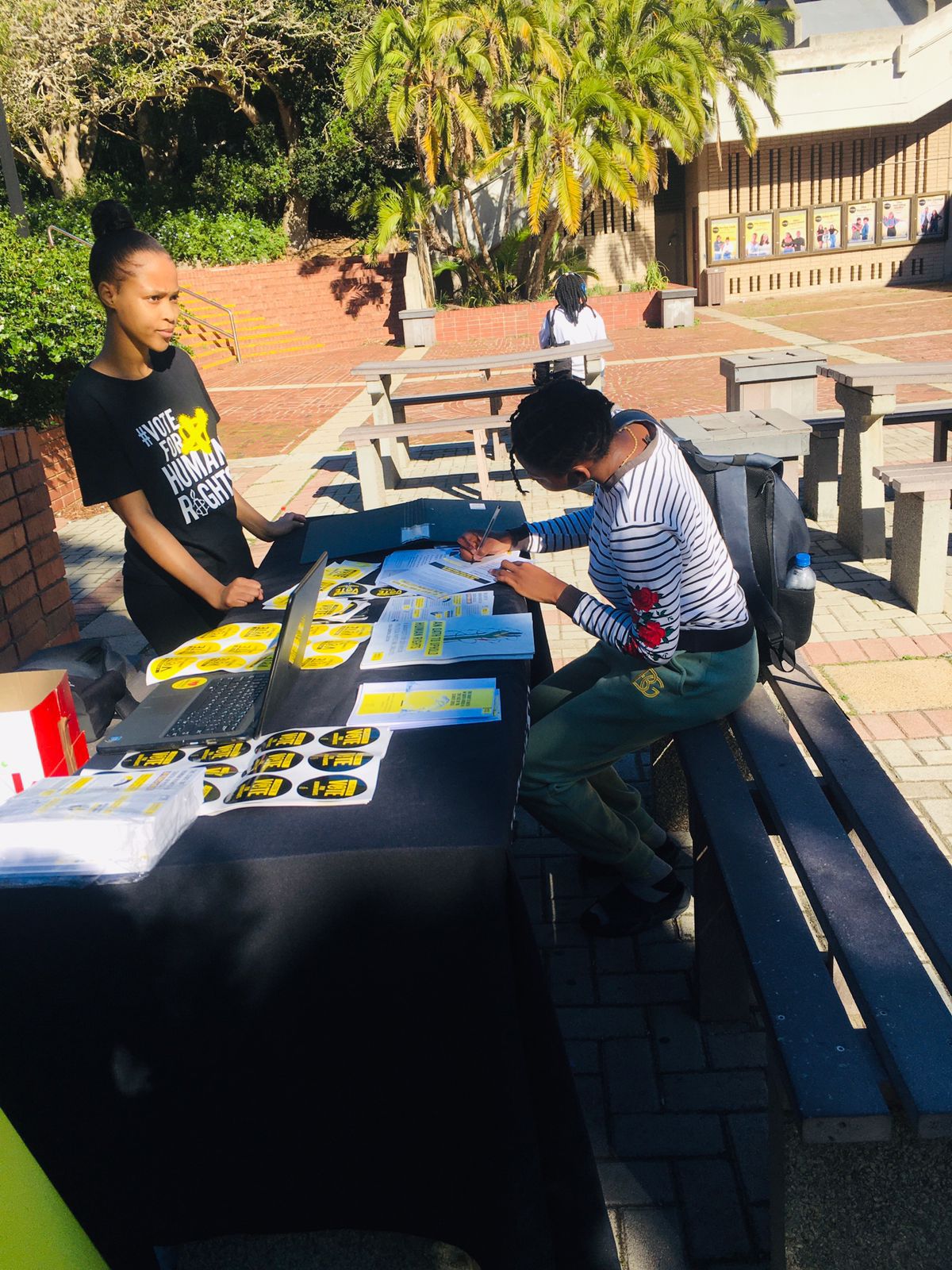
While Amnesty International South Africa was calling on political parties to sign the pledge, we were also calling on citizens, who were eligible and registered to vote, to take a pledge to vote for human rights and to hold political parties and candidates accountable ahead, during and after the elections. Amnesty International is non-partisan and does not endorse any political party or candidate. Our aim was to inspire people to make informed decisions based on the state of human rights in South Africa, and to vote with purpose. Around 12,000 people took the pledge.
But just because elections are over, it does not mean we are going to keep quiet and not continue to demand that everyone living in South Africa has access to their human rights.
Amnesty International South Africa continues to call on the incoming governing administration, no matter who it is made up of, to uphold South Africa’s Constitution and international human rights obligations. We have continuously called on the state to effectively address human rights violations and access to basic services for all living in South Africa.
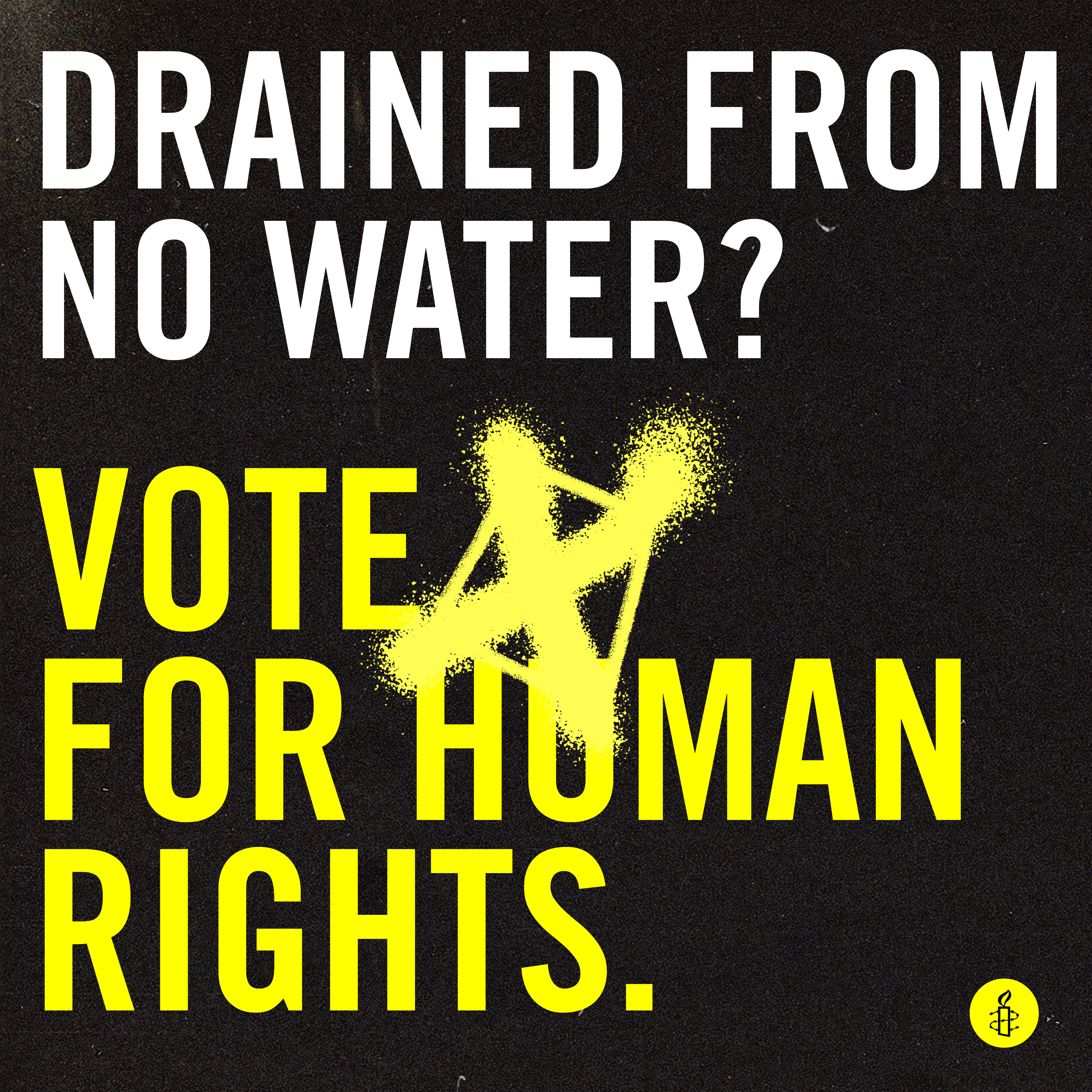
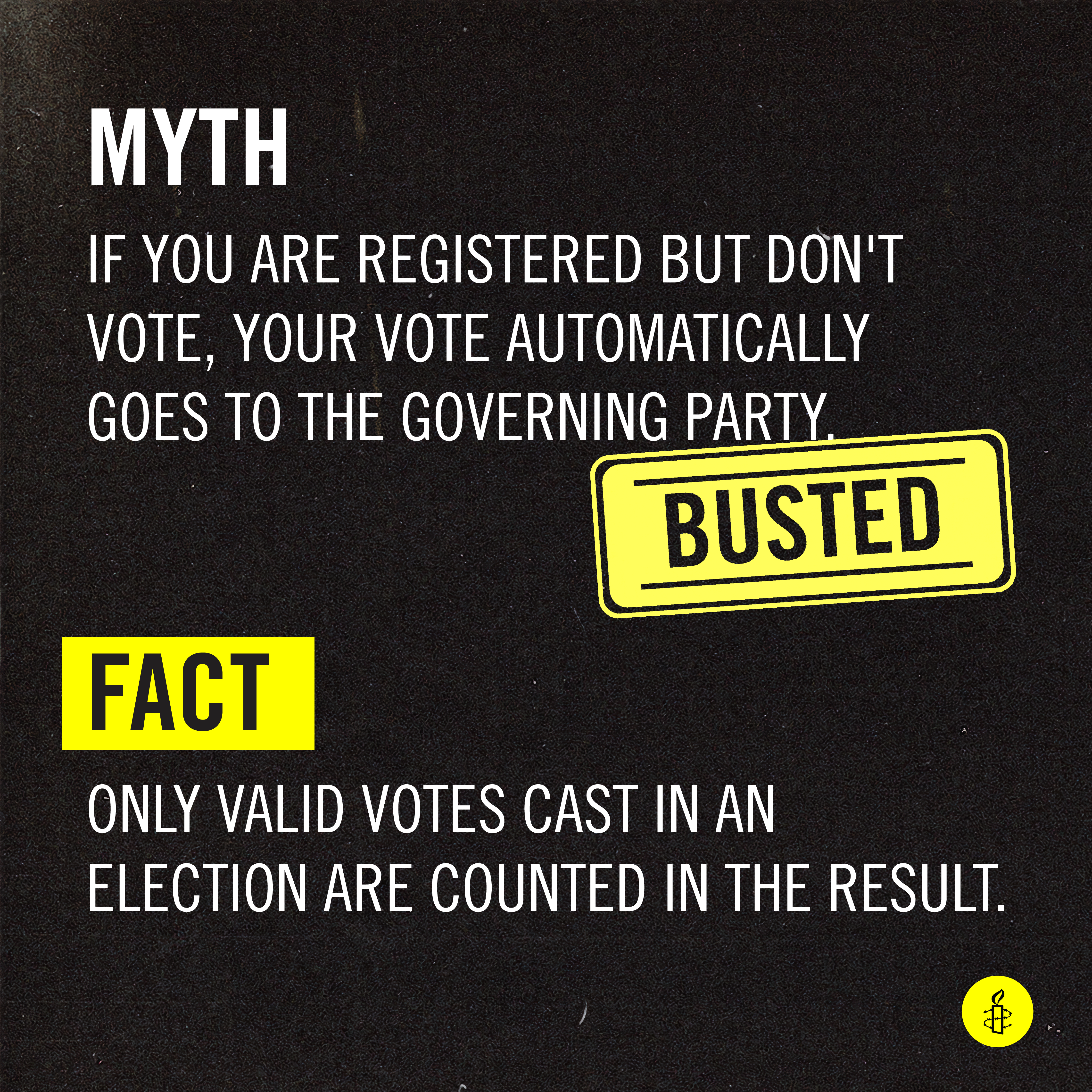
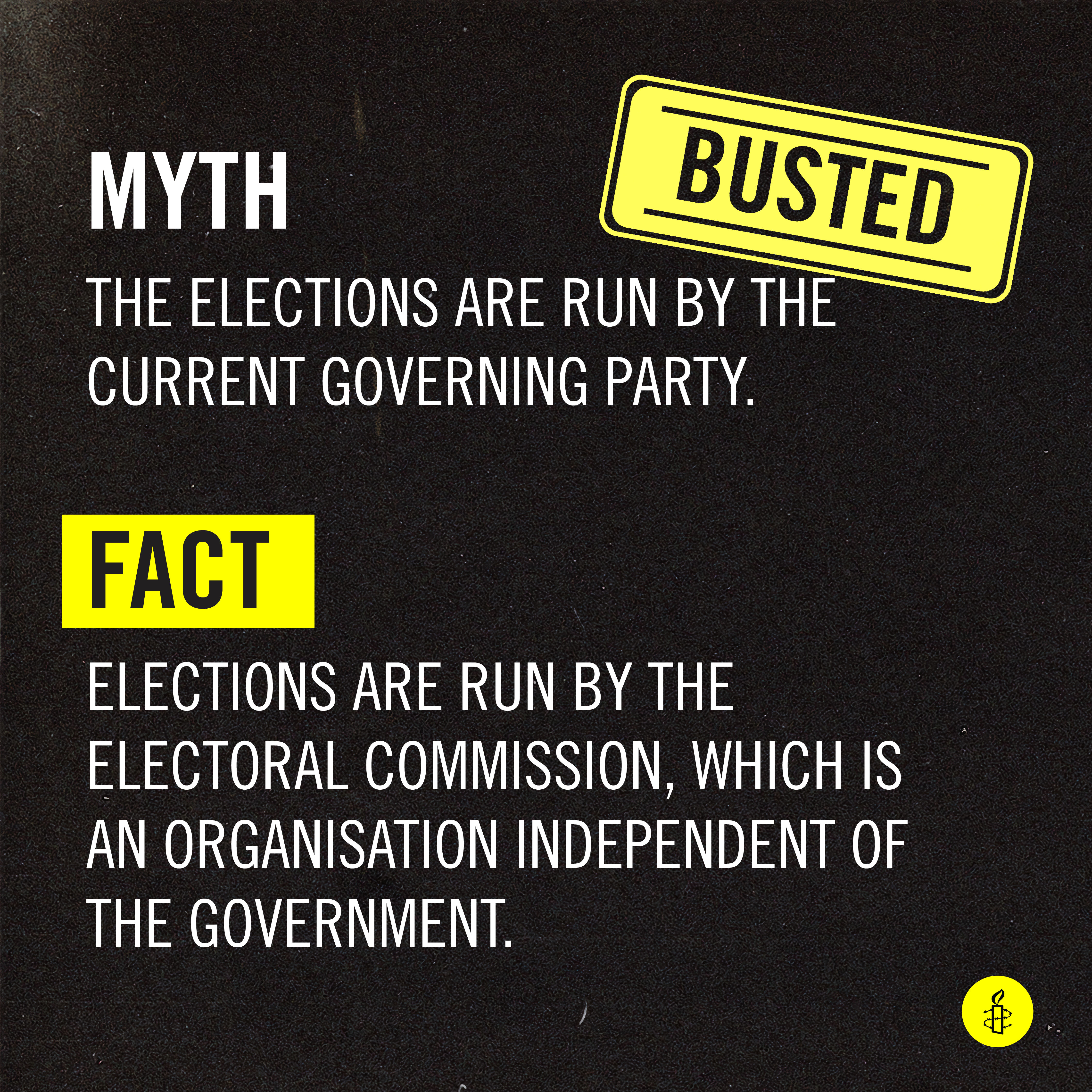
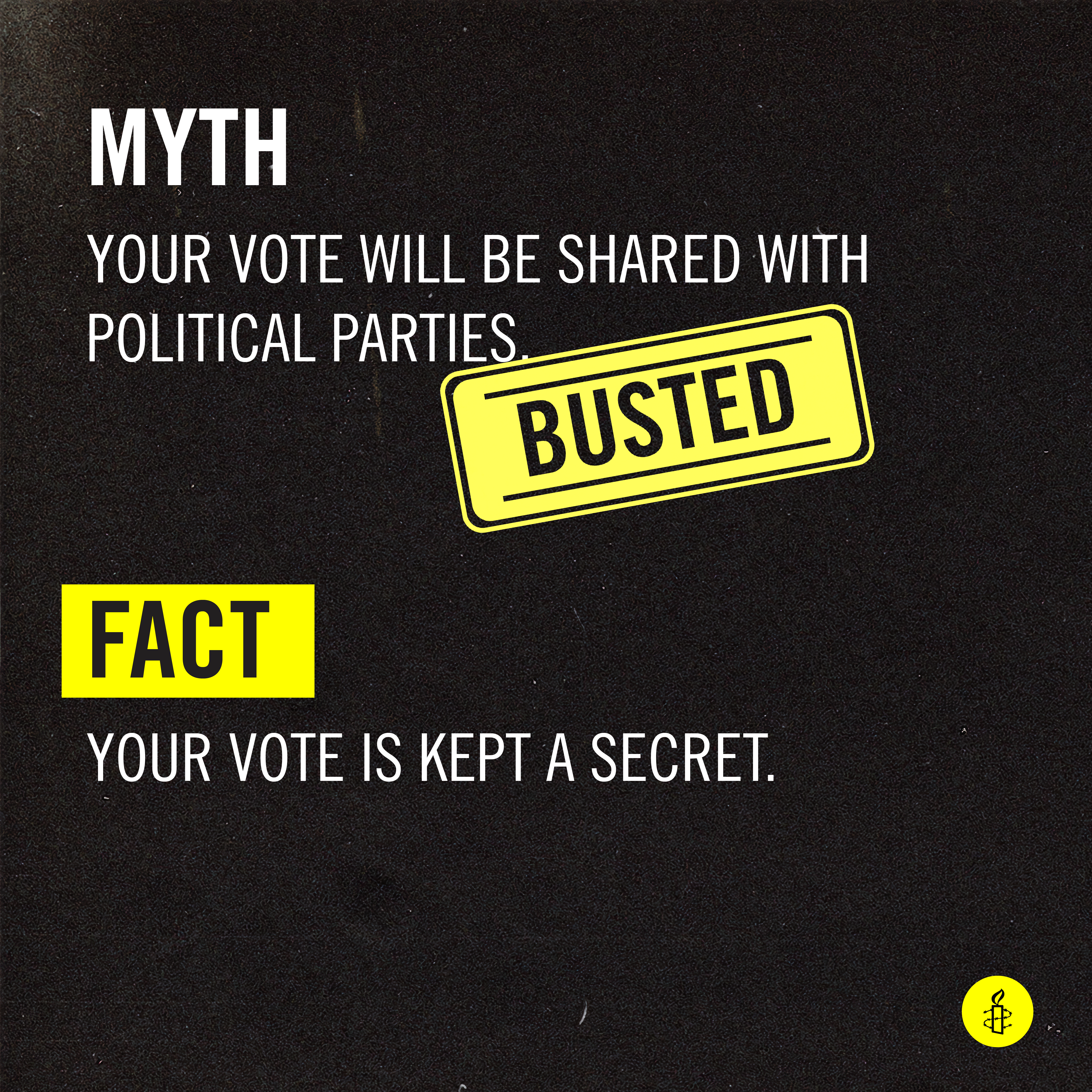
Elections Myth Busters Series
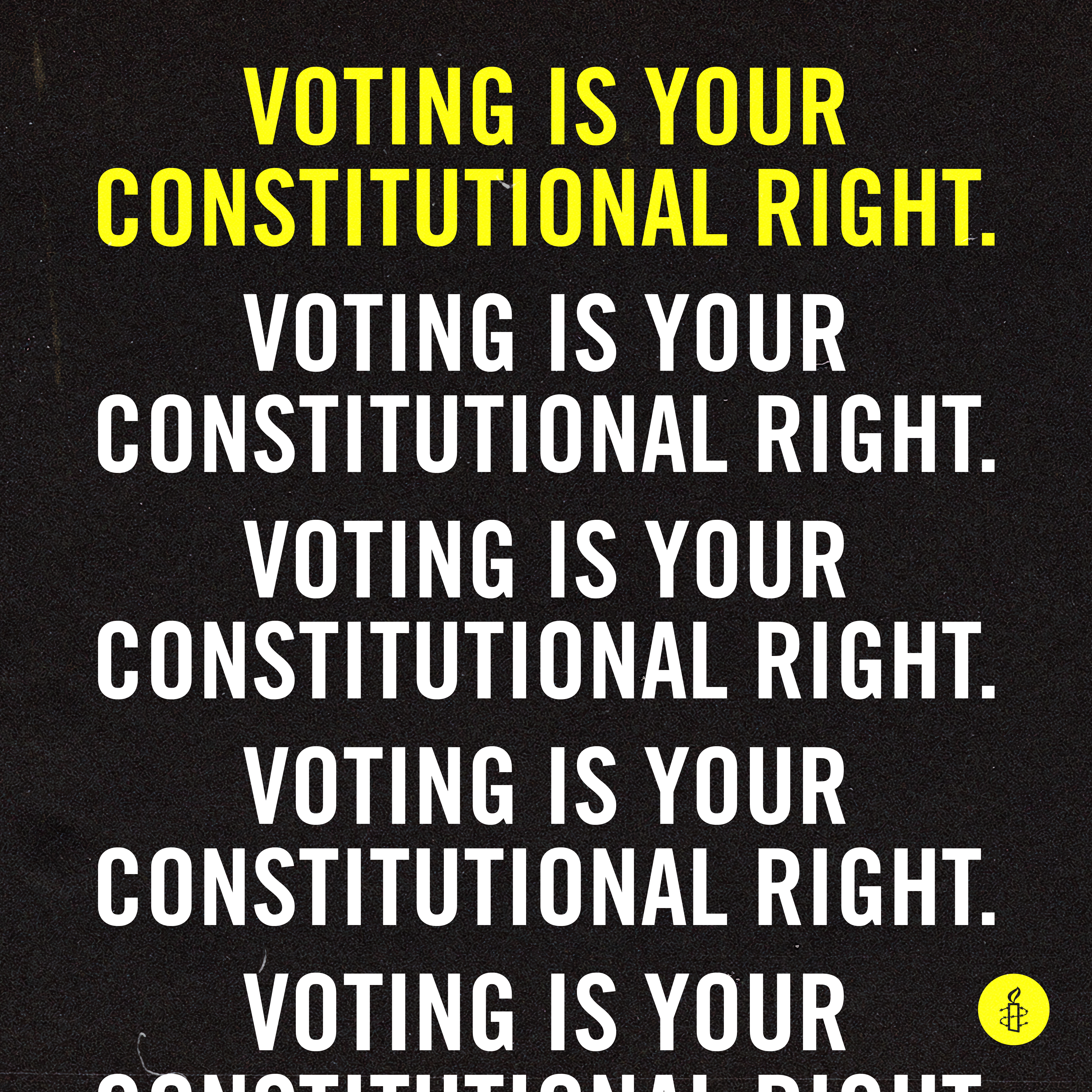
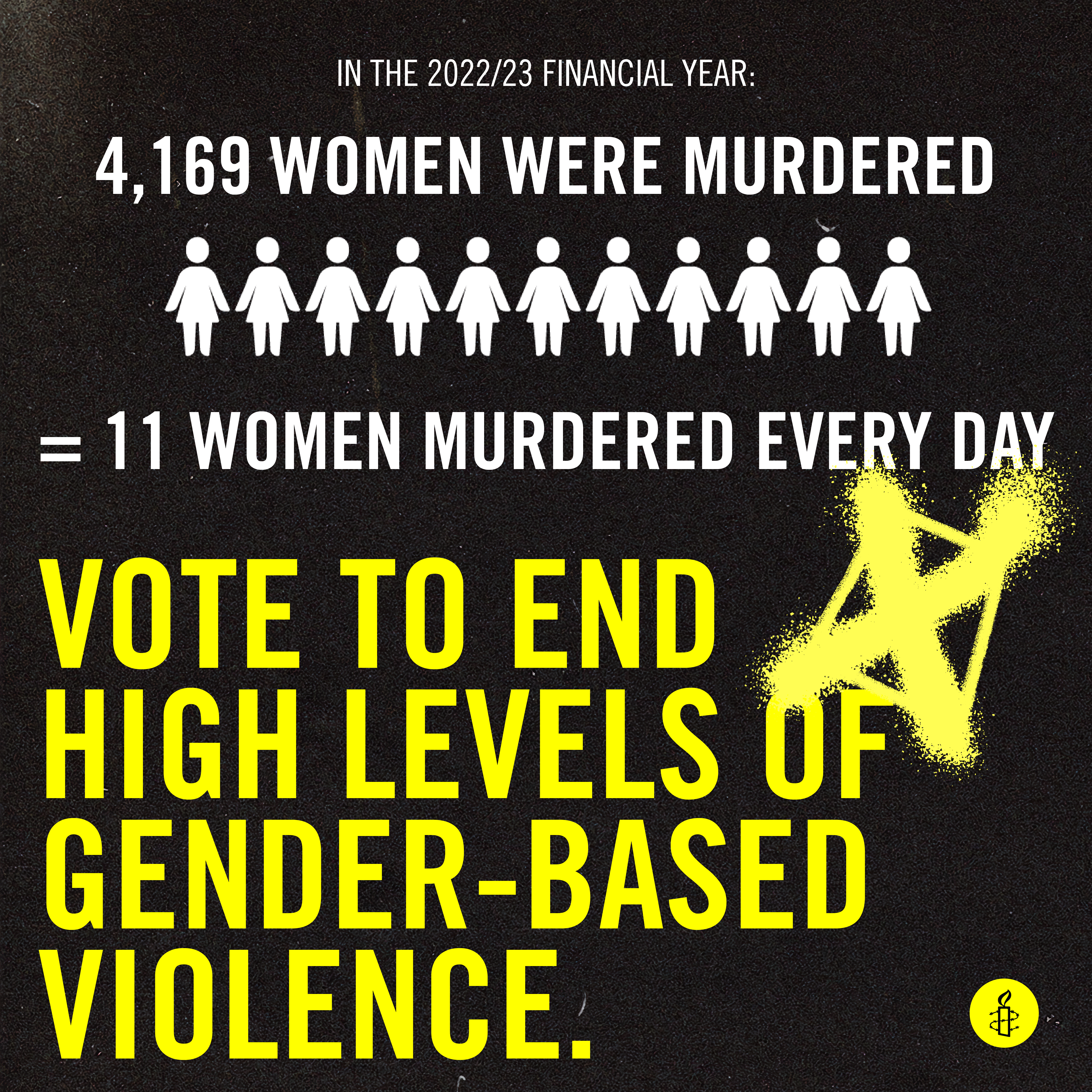
As part of our #VoteForHumanRights campaign Amnesty International South Africa used its social media platforms to bust myths, and provide accurate information on the state of access to many human rights in the lead up to the 29 May elections.
ACT NOW FOR INDIVIDUALS AT RISK
By Cassandra Dorasamy, Amnesty International South Africa Campaigner
Earlier this year, we put out a call for you to take action for Nomsa Sizani, a human rights defender and the former General Secretary of the Abahlali baseMjondolo (AbM) movement, who was facing imminent threats to her life. The threats followed her questioning government officials who were in her community on 17 March 2024, to speak about a development taking place there. In a great show of solidarity, 9,372 actions were taken to call for her protection.
There are many other human rights defenders (HRD), locally and globally, who are at risk for standing up for human rights. In this section of Lesedi, we present five individuals who are in need of justice or protection, who you can take action for.
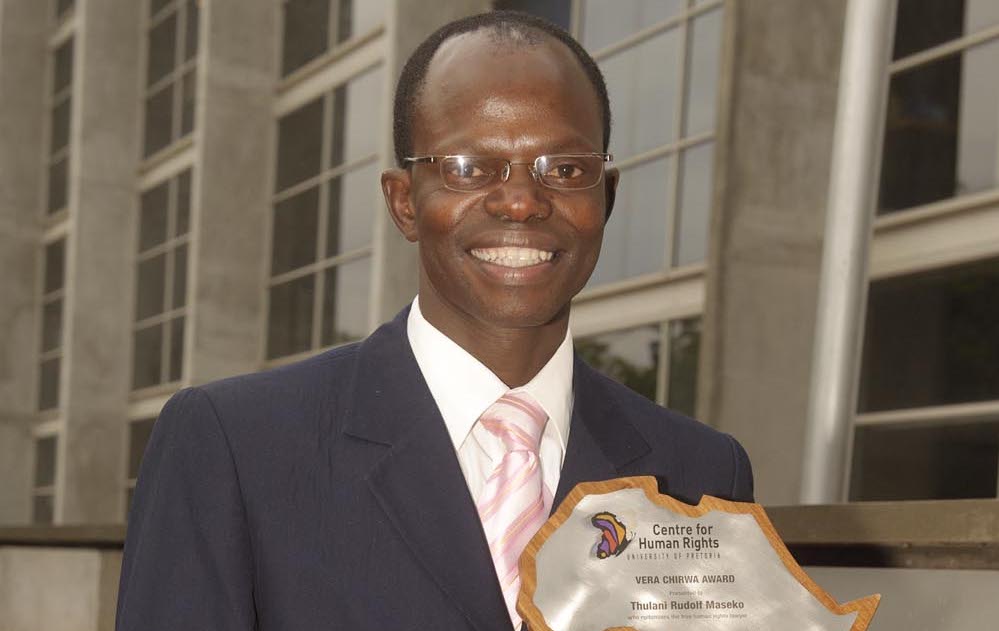
Thulani Maseko
Thulani Maseko was a father, husband, and a dedicated human rights lawyer known for his courageous advocacy against state abuses in Eswatini. On 21 January 2023 , he was tragically shot dead by unknown assailants in front of his wife. Amnesty International believes his murder is connected to his work defending human rights.
Despite international demands for a thorough investigation, justice remains elusive, and to date, authorities have not made any progress on the investigation public, nor interviewed key witnesses including Thulani’s wife.
Send a letter to demand Eswatini authorities promptly, thoroughly, impartially, independently, transparently and effectively investigate the killing of Thulani Maseko.
Khaled Al Ser
On 24 March 2024, Palestinian Khaled Al Serr was detained by the Israeli military from Nasser hospital in Khan Yunis in the southern Gaza Strip. Since then, he has been held in conditions that amount to enforced disappearance. More than two months on, Israeli authorities continue to conceal his fate and whereabouts; the scraps of information that his family have been able to receive only came from his colleagues and from released detainees. Israeli authorities must immediately release Dr Khaled Al Serr. They must immediately disclose the whereabouts and legal status of all Palestinian health workers from Gaza who have been forcibly disappeared and release them unless they are charged with an internationally recognizable criminal offence and prosecuted in proceedings that respect international fair trial standards. Pending Dr Khaled Al Serr’s release, authorities must disclose to his family his fate, whereabouts and grounds of detention, and ensure his access to a lawyer, medical care and family members.
Add your voice to demand the release of Khaled Al Serr.
Nidal al-Waheidi and Haitham Abdelwahed
Nidal al-Waheidi and Haitham Abdelwahed are journalists from the occupied Gaza Strip. Both were detained by Israeli forces on 7 October 2023 while they were reporting on the Hamas-led attack and are held in conditions constituting enforced disappearance. Since then, Israeli authorities have refused to disclose their whereabouts or the legal grounds and reasons for their arrest. Almost nine months since their disappearance, and no information has been shared about their fate or whereabouts.
Israeli authorities must immediately disclose their whereabouts and the legal grounds for their arrest, grant them access to legal representation and ensure their humane treatment. Unless charged with an internationally recognised criminal offence, they must be immediately released.
Write an email using the sample in the link as a guide to the Israeli Military Advocate General.
ANGOLA FIVE
Activists Adolfo Campos, Hermenegildo Victor José AKA Gildo das Ruas, Abraão Pedro Santos AKA Pensador and Gilson Morreira AKA Tanaice Neutro were arbitrarily arrested hours before taking part in a demonstration in solidarity with motorcycle taxi drivers in Luanda, capital city of Angola.
They were summarily tried, convicted, and sentenced to 29 months in prison for ‘disobedience and resisting orders.’ Act now and call for their immediate and unconditional release.
Act now and call for the immediate and unconditional release of AGPT and access to medication and adequate healthcare, including, if necessary, outside prison.
Should we be celebrating the National Council on Gender-Based Violence and Femicide Act?
By Marike Keller, Amnesty International South Africa Researcher
While legislative change can take time, political will is a driving force determining its speed.
The rise in gender-based violence (GBV) has sparked many protests over the years, led to the formation of coalitions, the media bringing increased attention to some of these cases which have sparked national outrage, and increased pressure on the government to do more. But for many years these actions were met with lip service, empty promises and inaction by the government. The political will was missing.
Year after year, activists, the public, and organisations, would march and demand more action. “Enough is enough” became a catchphrase that soon began to lose its meaning. After many years of falling on deaf ears, questions around why we still mark commemorative days such as Women’s Day and 16 Days of Activism Against GBV became commonplace, with the government even adopting a new campaign of ‘365 Days of Activism for No Violence against Women and Children’. For some, this felt disingenuous. What is the point?
The point is that this pressure, while over many many years, led to action. On 1 August 2018, mobilisation efforts by women led to marches across the country, expressing their anger at the increasing levels of GBV, the lack of action by the government, and the failing criminal justice system. In response, President Cyril Ramaphosa hosted a Presidential Summit against Gender-Based Violence and Femicide (GBVF) in November 2018 and committed to the government developing a National Strategic Plan on GBVF (NSPGBVF) together with civil society – a call made by civil society since 2014. The NSPGBVF was finally published in 2020. To oversee its implementation, a National Council on GBVF had to be established in law. Every year, budget was allocated to the Department of Women, Children and People with Disabilities for the National Council, and yet, it was nowhere to be found. A review of the first year of the implementation of the NSPGBVF, saw only 55% of targets being met. And over the course of this time, the National Council – a crucial body to oversee and coordinate the response to GBV and to serve as the custodian of the NSPGBVF – was still MIA.
In 2023, first and second drafts of the Bill were finally released (at the beginning and end of the year respectively) for public consultation, with Amnesty International South Africa (AISA) making submissions on both drafts, highlighting concerns and providing recommendations to strengthen the Bill. Finally in May 2024, a few days before the general election, President Ramaphosa signed the Bill into law.
While the Bill may not be perfect, it is a critical step towards ensuring the implementation of the NSPGBVF, and AISA welcomed the president signing it into law. However, at the same time, we are urging the government to ensure that it is timeously, transparently and effectively implemented, as well as adequately resourced, as without this, there will be no real impact. This process has already taken longer than it should have, and the momentum must be sped up and then sustained.
To highlight the impact of slow progress – in the four years it took to pass the NCGBVF Bill (it’s important to note that the National Council is yet to be established, the Bill only provides law for it to be established), over 152,800 people reported being raped to police (this excludes 2024 statistics as these haven’t been released yet, as well as those who did not report to police). We see a year-on-year increase in these statistics.
While we must celebrate incremental wins in the fight against GBV, there is still a long way to go and we will not take our eye off the ball. The government cannot placate us by only passing legislation. Effective and timeous implementation is key. The urgency with which the president and various ministers have described this pandemic, must be met with the same urgency in action – urgency in action we have yet to see. We need to see the South African Police Service being adequately trained and resourced. We need to see the overall strengthening of the criminal justice system. We need to see a shift in harmful social and cultural norms that feed into the cycle of violence. Legislation is crucial, but we need more and we must hold the government accountable to ensure that the legislation we have is fully implemented at all times and that relevant government departments are properly resourced and capacitated to effectively discharge their duties.
Without this, the passing of this legislation to help stem the tide of GBV remains mere lip service.
#ScanTheScar and demand a brighter future for our young girls and teenagers
By Kyara Plasket-Govender, Amnesty International South Africa Social Media Designer
In a world where many people do not have access to their rights, there are important stories to be told. Storytelling has the power to break boundaries and connect people. It ignites emotion, fosters understanding and engages the humanity in all of us. As we see the number of child and teenage pregnancies in South Africa continue to increase, the experiences of these young girls are stories that need to be told.
Over 105,000 girls gave birth between April 2022 and March 2023. Behind these statistics, there are real people – daughters, sisters, friends and now, mothers. These are young women and girls who may face having to drop out of school, stigma and potentially finding themselves in a perpetual cycle of poverty. Other factors such as gender inequality, gender-based violence (GBV), insufficient comprehensive sexuality education, substance abuse as well as poor access to contraceptives and healthcare all play a role in the child and teenage pregnancy crisis.
In partnership with Joe Public United, Amnesty International South Africa are highlighting some of these stories through the #ScanTheScar campaign. The campaign encourages viewers to ‘scan the scar’ from an image of a caesarean scar on a young girl’s body embedded with a Spotify code. Viewers are met with powerful true stories of three child and teenage pregnancies, collected with the support of Children of Success and Women & Men Against Child Abuse. Female artists and poets, Lebo Mashile, Koleka Putuma and Thembe Mvula, command your attention as they passionately portray these stories.
This issue requires change at all levels of society, including in homes and communities. However, it’s the state’s duty to create an environment where the rights of these young women and girls are upheld. It’s time we stand up and demand action by writing to President Cyril Ramaphosa calling on him and the incoming government to take this issue seriously and protect girls’ rights to health, information, education, equality and to live freely from GBV and discrimination. It is a social, health and economic issue affecting our children, who should feel free just being exactly that, children.
The future of South Africa lies in the hands of each and every person who lives in it. By raising awareness on this issue and taking action, we can help shape a reality where our young women and girls are protected and empowered to make informed decisions about their bodies. So #ScanTheScar and demand a brighter future for our young girls and teenagers.
CLICK ON THE SPOTIFY CODE TO LISTEN TO THEIR STORIES



ZAMA’S STORY
CHARMAINE’S STORY
AMY’S STORY
ADD YOUR VOICE: SEND AN EMAIL TO THE PRESIDENT
Write a letter to and call on President Cyril Ramaphosa to ensure the government works together in addressing the high levels of child and teenage pregnancy in South Africa. Your voice, combined with others who feel the same, is a cry impossible to ignore.
Now is your opportunity to make a difference.

By Genevieve Quintal, Amnesty International SOuth AFRICA MEDIA AND COMMUNICATIONS OFFICER
Shockingly, there are still more than 3,900 South African schools with illegal pit toilets.
This is despite plain pit toilets being banned from South African schools by the Minimum Uniform Norms and Standards for Public School Infrastructure in 2013. The norms and standards stated that pit toilets in schools had to be removed and replaced by 2016. However, more than a decade later, all the initial deadlines — 2016 and another of 2020 — plus new deadlines, including ones set for the end of February 2023, have been missed by the Department of Basic Education (DBE).
The DBE has said that it now plans to eradicate these pit toilets by 2025, but we as Amnesty International South Africa are saying no, these need to be eradicated by the end of this year.
This is why Amnesty International South Africa, in collaboration with Joe Public Union, has launched a campaign calling on people in South Africa to petition the government to #EradicatePitToilets in South Africa’s schools, in an ongoing drive to address the issue.
As part of the campaign, Amnesty International has created a stunt, printing a newspaper insert with ink made from sterilised human faeces, taken from pit toilets.
The revulsion readers may feel is what we, as Amnesty International South Africa, aim to evoke in people who see the advert, bringing home the alarming reality that over a million schoolchildren are still exposed to daily physical and health risks due to these pit toilets.
We can no longer allow children in this country to be subjected to these illegal and unsafe pit toilets, and waiting until next year to do this is unacceptable.
We need everyone to petition the government to eradicate pit toilets by the end of this year.
These illegal pit toilets are not only violating the right to sanitation which is enshrined in the Constitution, but also the right to health, education, dignity, and privacy whilst in some cases posing a serious risk to the right to life.
Education is not merely a right but a powerful tool for social and economic transformation and if we want to ensure a better future for the youth, they must be able to learn in a safe and enabling environment.
June marked Youth Month in South Africa, a time to honour those who fought for quality basic education for all. In this spirit, the incoming government is called upon to fulfil its obligations to the young people living in the country.
Keep the government accountable for eradicating illegal plain pit toilets from all schools in South Africa by the end of 2024
#EradicatePitToilets
AMNESTY INTERNATIONAL SOUNDS THE ALARM AT A WATERSHED MOMENT FOR SOUTH AFRICA AND GLOBALLY
Amnesty International’s annual The State of the World’s Human Rights paints a sobering picture of the ongoing challenges faced by South Africa.
Despite the hard-fought victories against apartheid, millions still grapple with the denial of their fundamental human rights.
Gender-based violence (GBV) remains rampant, with perpetrators often evading justice. The promise to eradicate pit latrines in schools remains unfulfilled, while literacy rates among Grade 4 pupils remains low. Concerns loom over the potential adverse effects of the National Health Insurance Bill on healthcare accessibility, which is already a problem in the country. Access to safe drinking water is declining and water infrastructure is crumbling with alarming effects.
Amidst these challenges, the murder rate persists at staggering levels, and excessive use of force by police in response to protests continues. Human rights defenders, activists, and journalists face threats and attempts to silence their voices, underscoring the persistent dangers confronting those who advocate for justice and accountability.
Meanwhile, globally, powerful governments are casting humanity into an era devoid of effective international rule of law, with civilians in conflicts paying the highest price.
Read our full statement here.
CHAPTERS
#VOTEFORHUMANRIGHTS
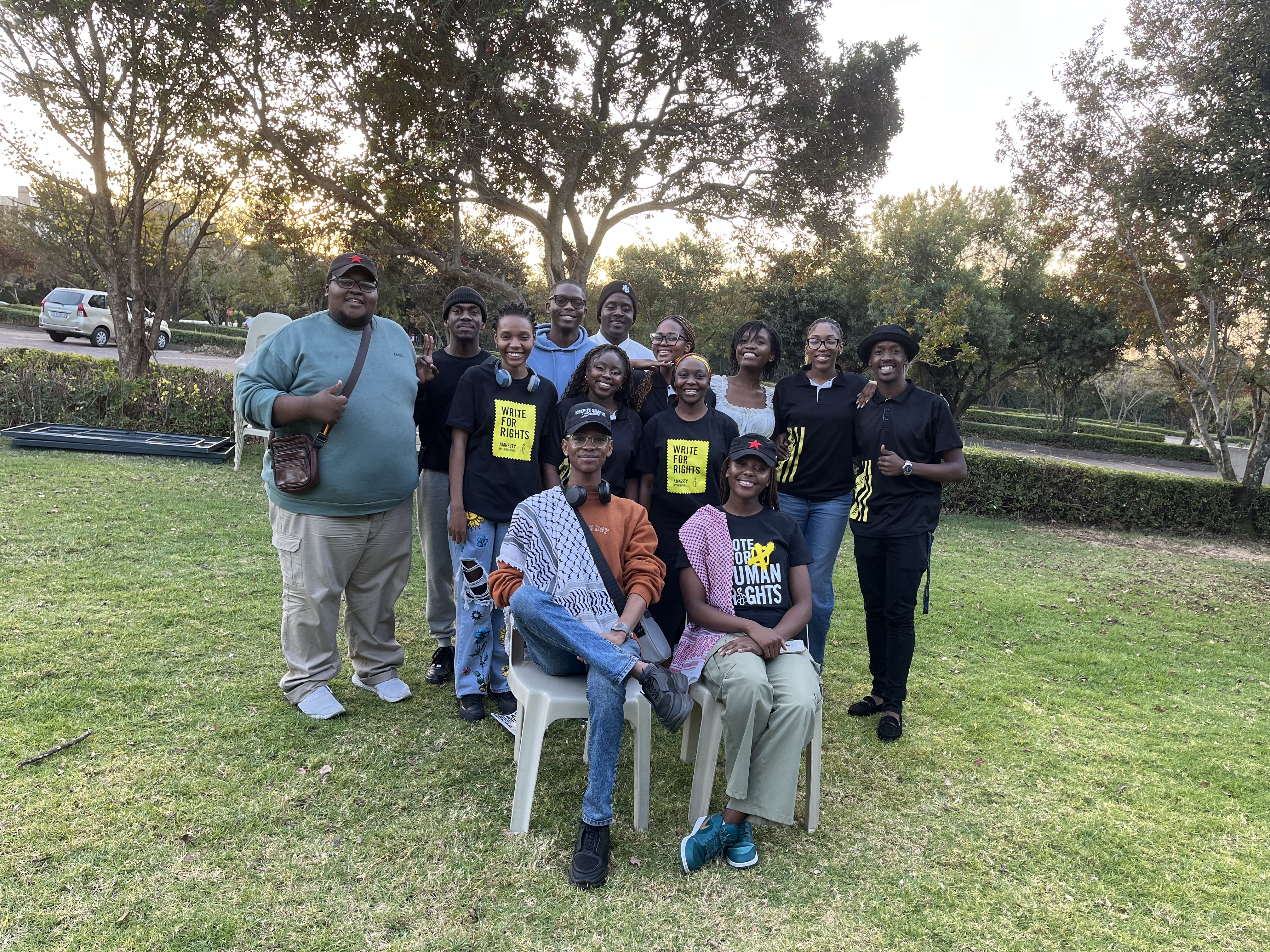
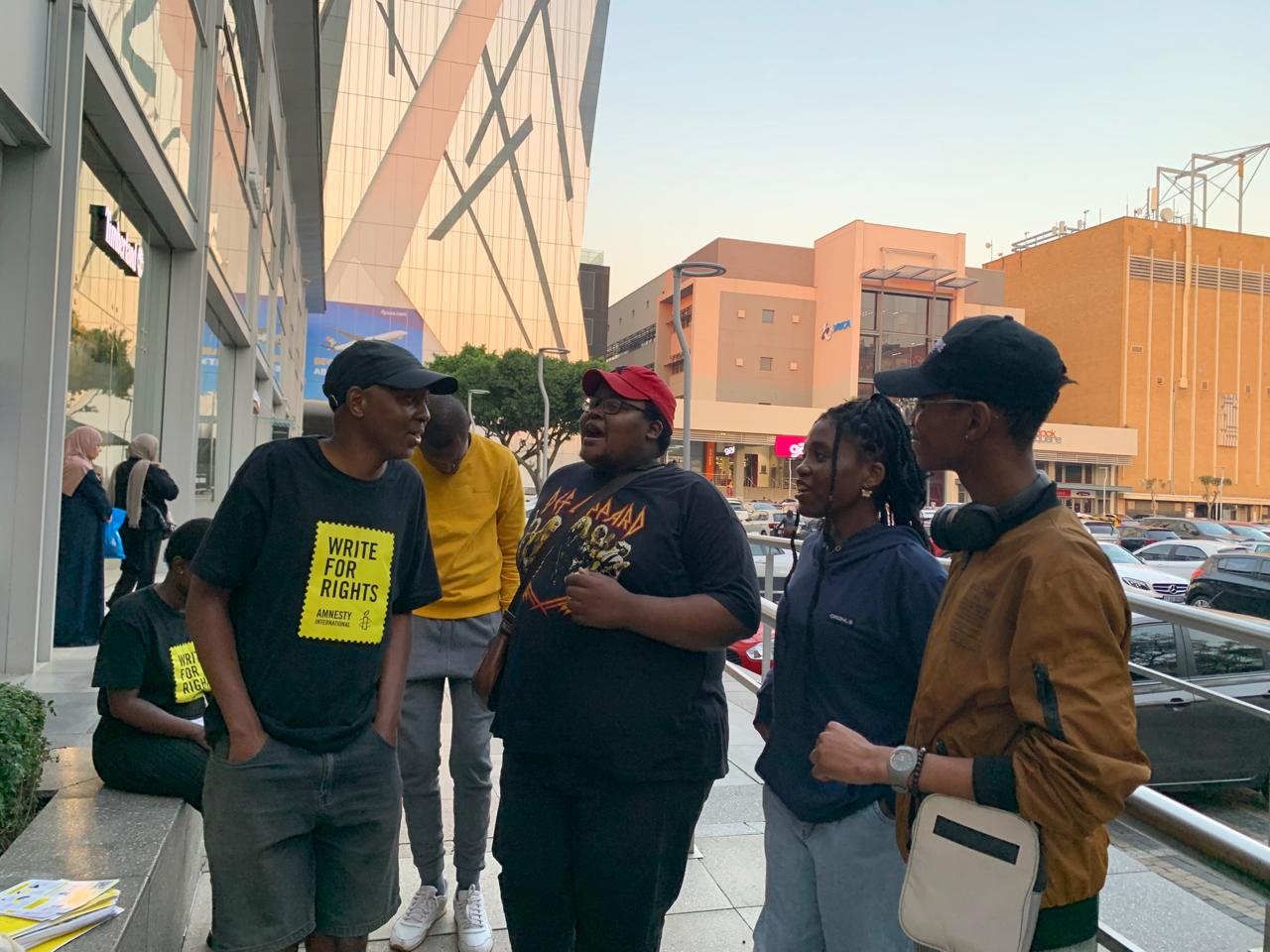
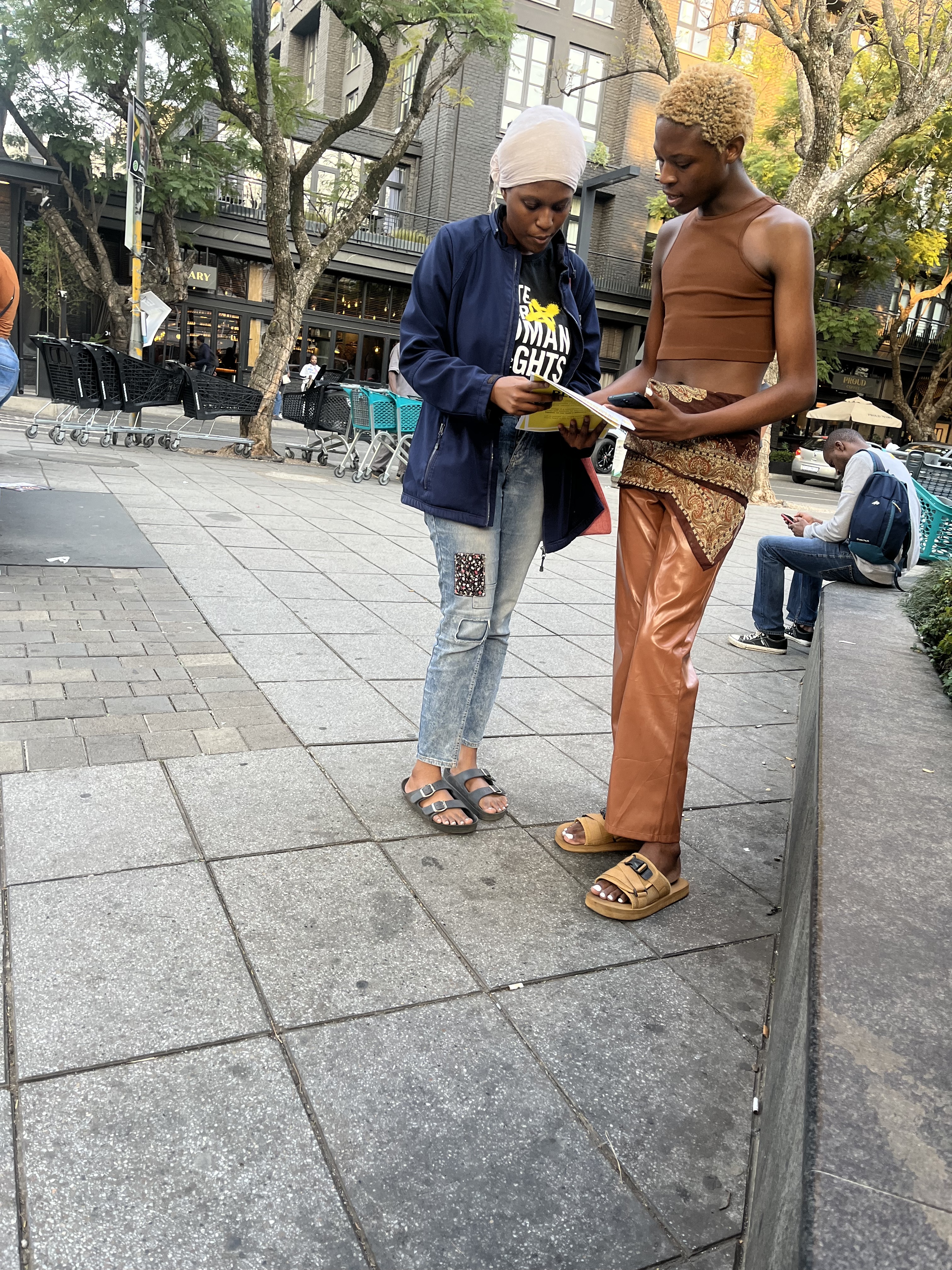
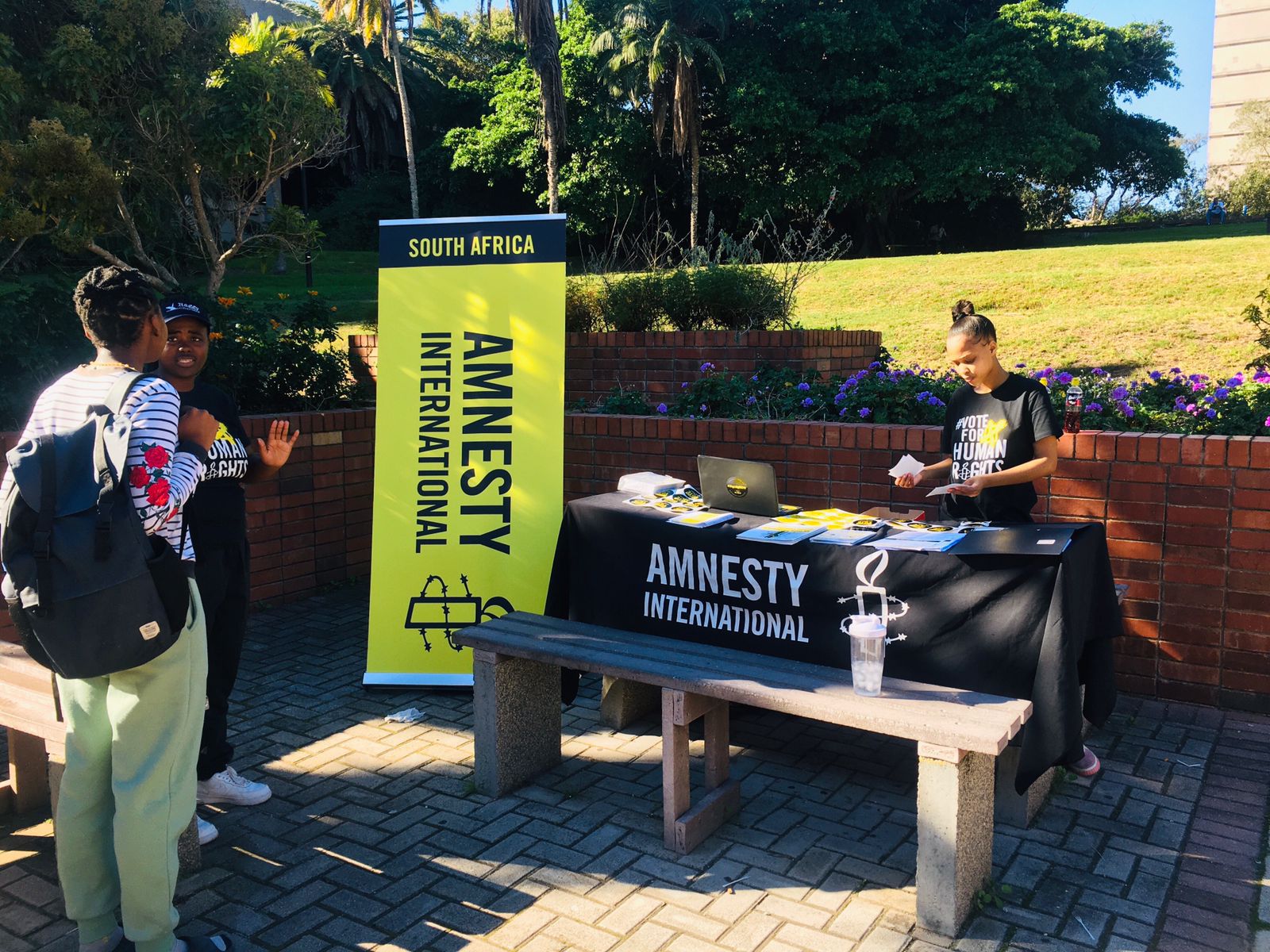
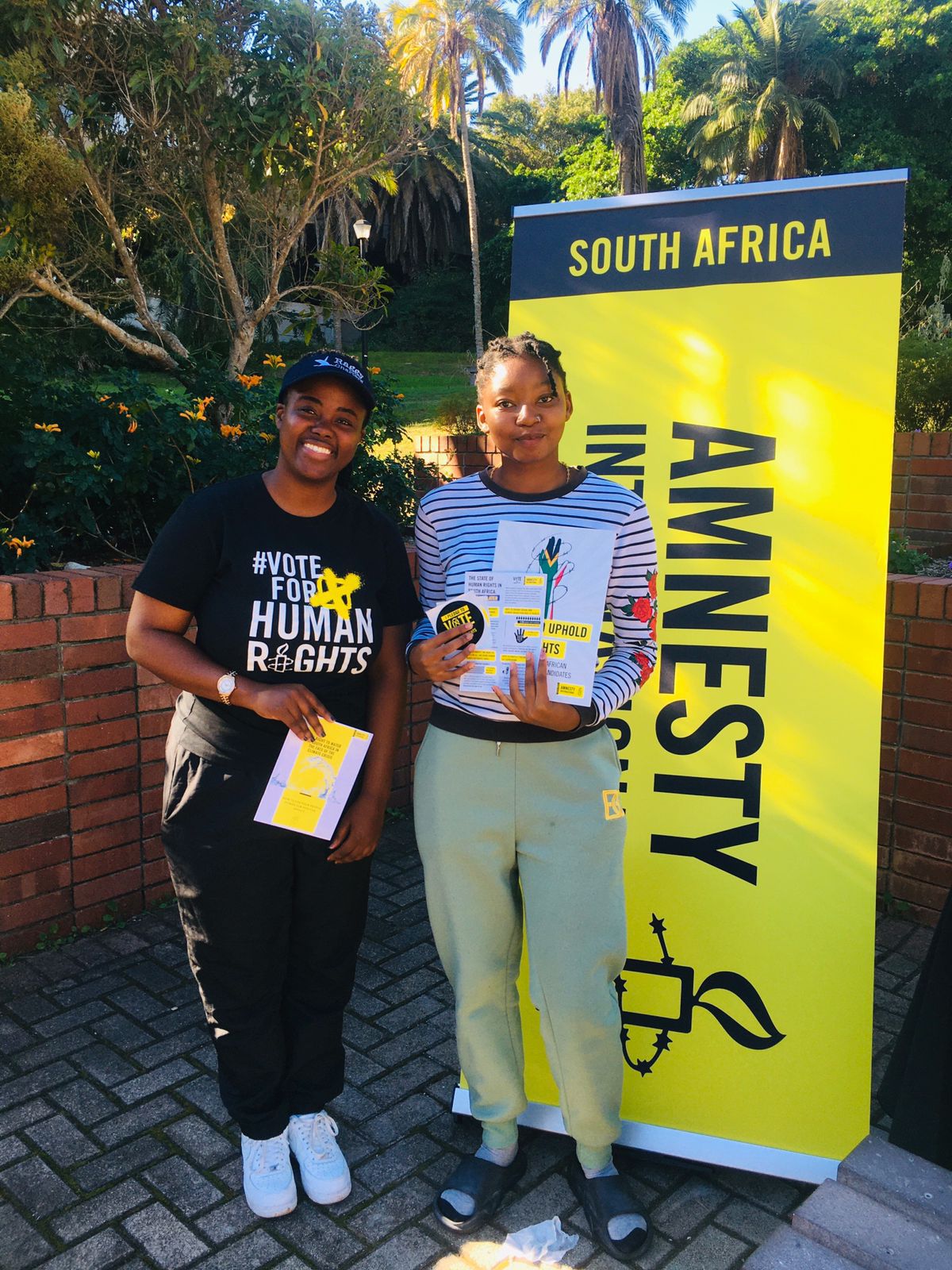
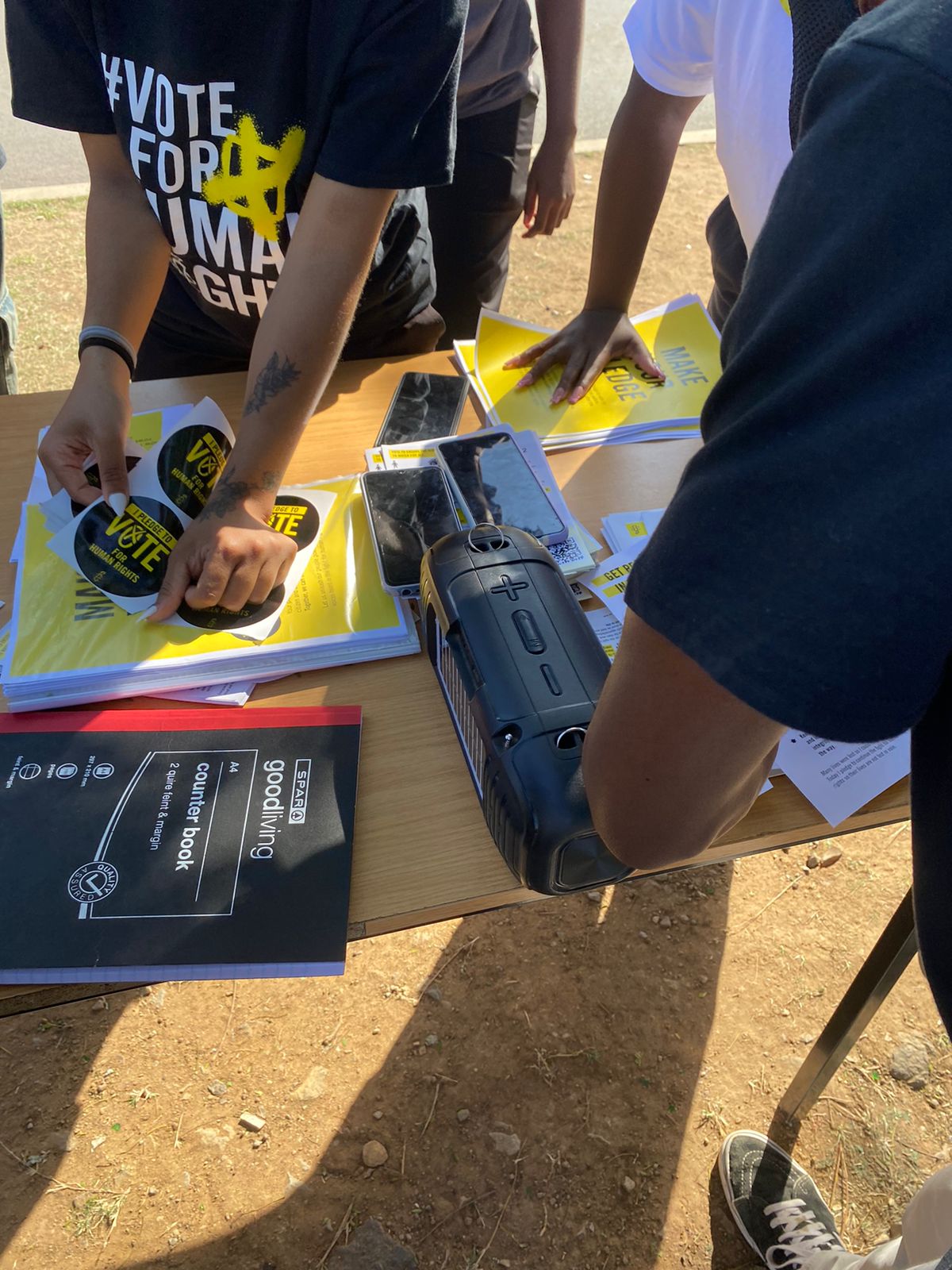
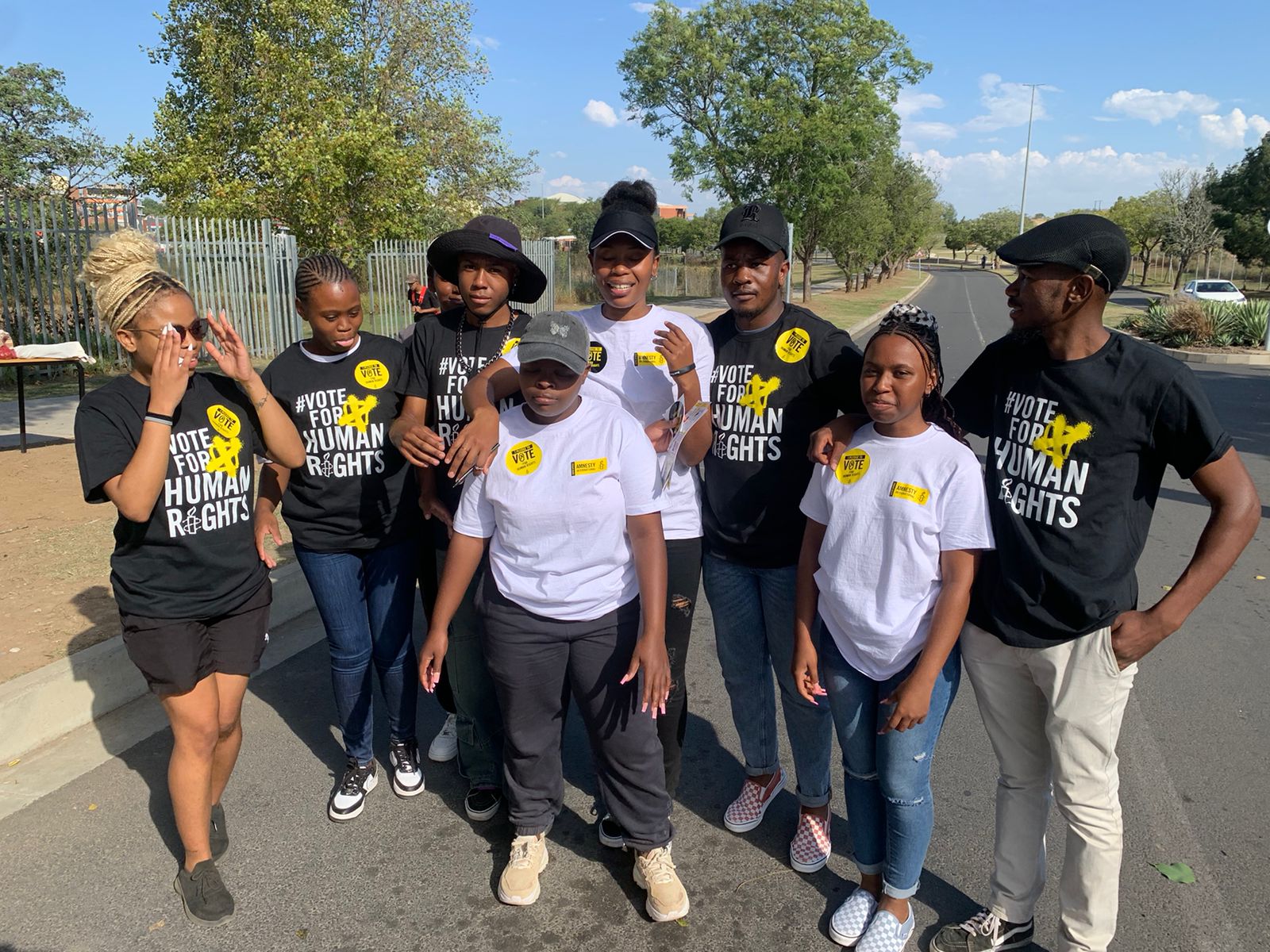
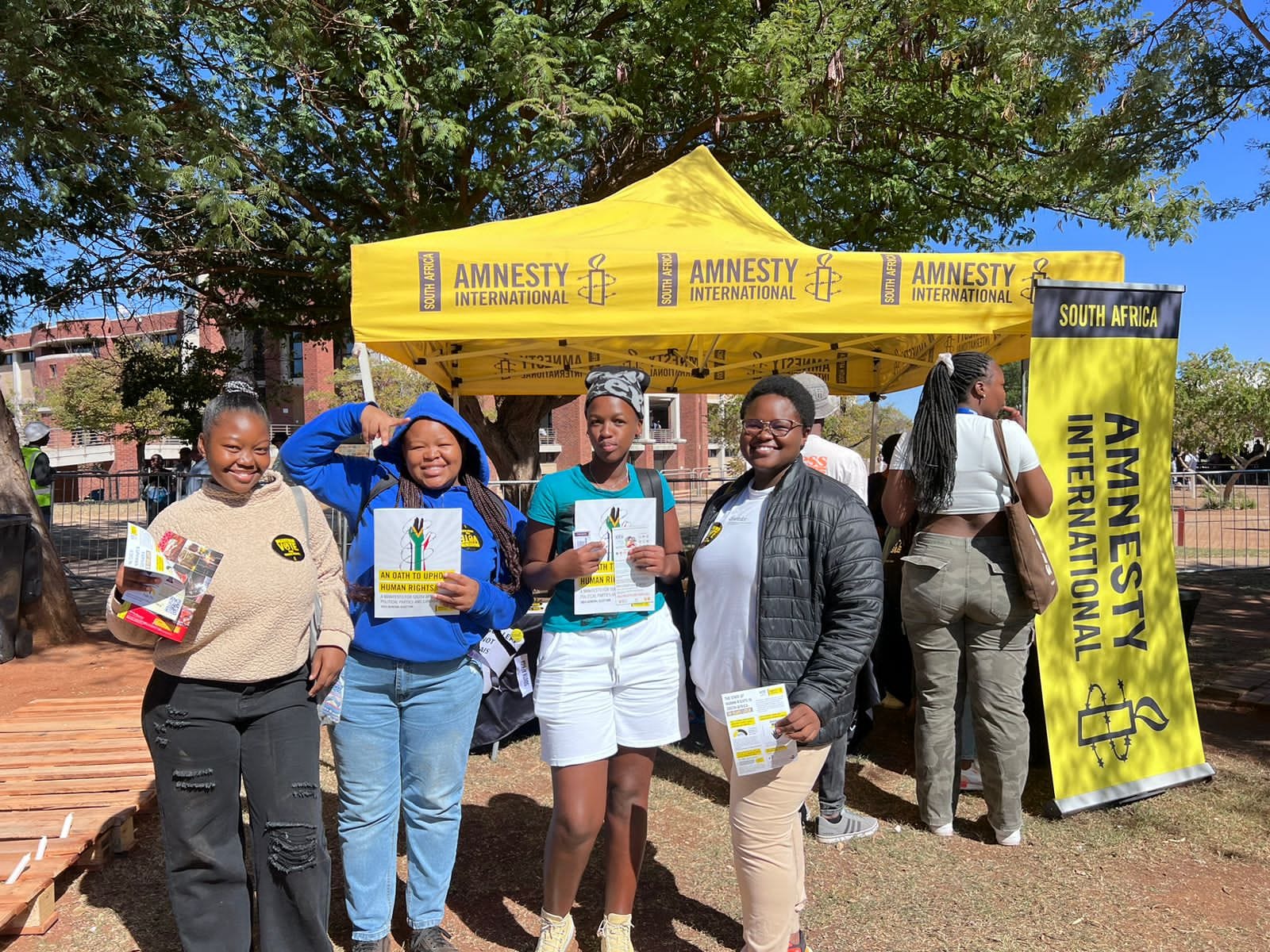
Amnesty International South Africa’s university chapters were drivers of the #VoteForHumanRights campaign on the ground.
Using the Human Rights Manifesto and voter education tools, the people powered element of the campaign aimed to increase voter engagement and participation centred on human rights, and to promote accountability and civic responsibility.
Check out some of their events below.
AI WITS, University of Pretoria (UP) AND University of Johannesburg (UJ)
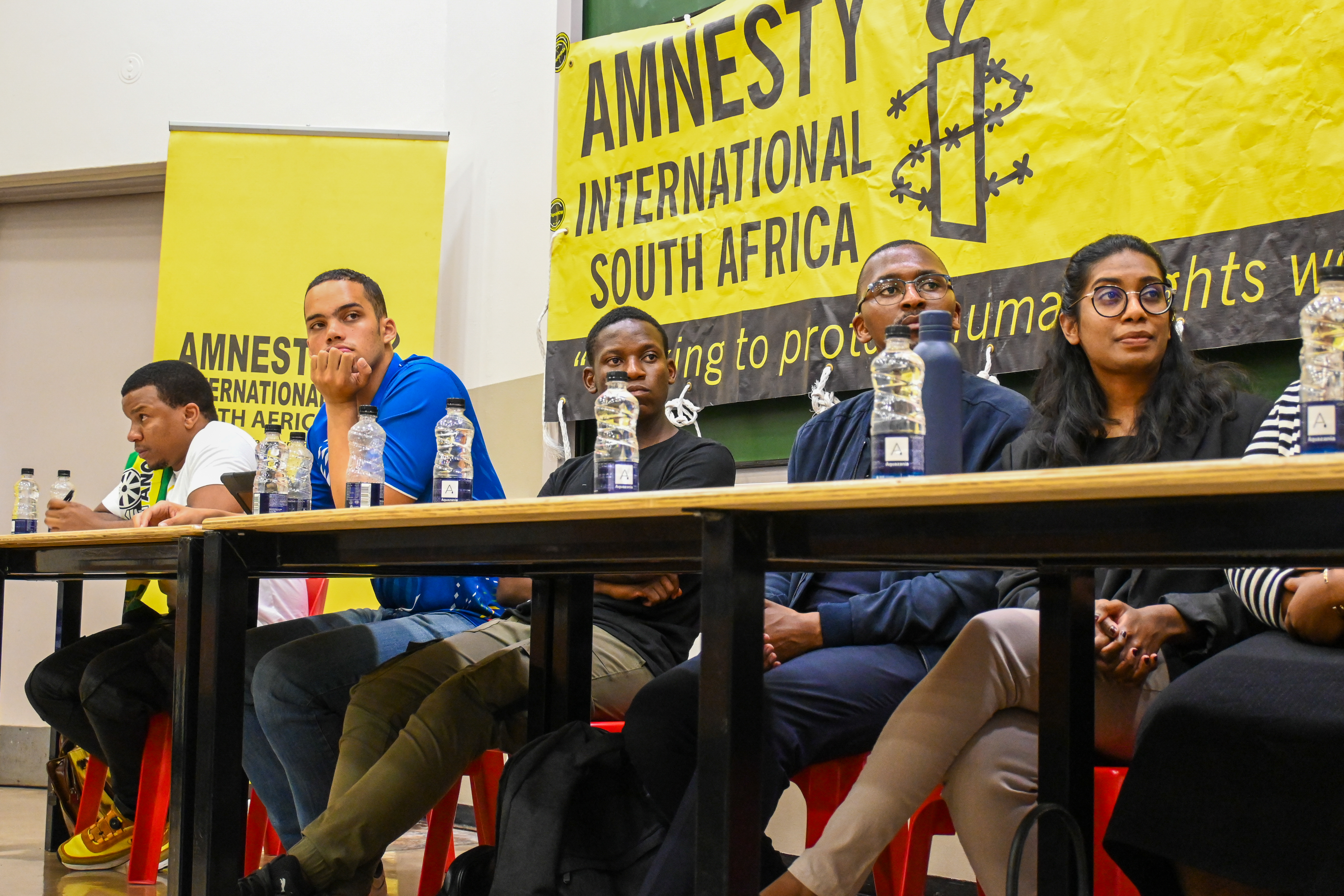
The three university chapters based in Gauteng joined forces on 27 May to spread awareness about the #VoteForHumanRights campaign.
AI Wits Vice Chairperson Phila Dlamini said: “The core of our effort was to unite the three Gauteng student chapters to spread awareness about the #VoteForHumanRights campaign more widely. In that regard, we succeeded. By bringing together diverse student groups, we fostered a collaborative spirit that enriched our campaign efforts. Engaging with voters, we found a receptive audience, many of whom were keen to learn not only about the campaign but also about Amnesty International South Africa. This curiosity and willingness to engage were significant victories in themselves. By uniting student chapters and engaging a new generation, we effectively raised awareness about the importance of voting for human rights, setting a strong foundation for future advocacy and action.”
AI UJ
AI UJ held a “vote smart initiative” on 26 April.
Mambo Mkize, AI UJ Exec & Alex Lekgwate, AI UJ Chairperson said: “The success of the event was in activities that included introducing the organisation to supporters as well as the #VoteforHumanRights campaign, a group discussion centred around the campaign, supporters further participating in the ‘ballot box’ activity wherein they highlighted the human rights they would prioritise in their consideration of voting for parties in the upcoming elections, and ice breaker activities like quiz games were conducted.”
AI WITS
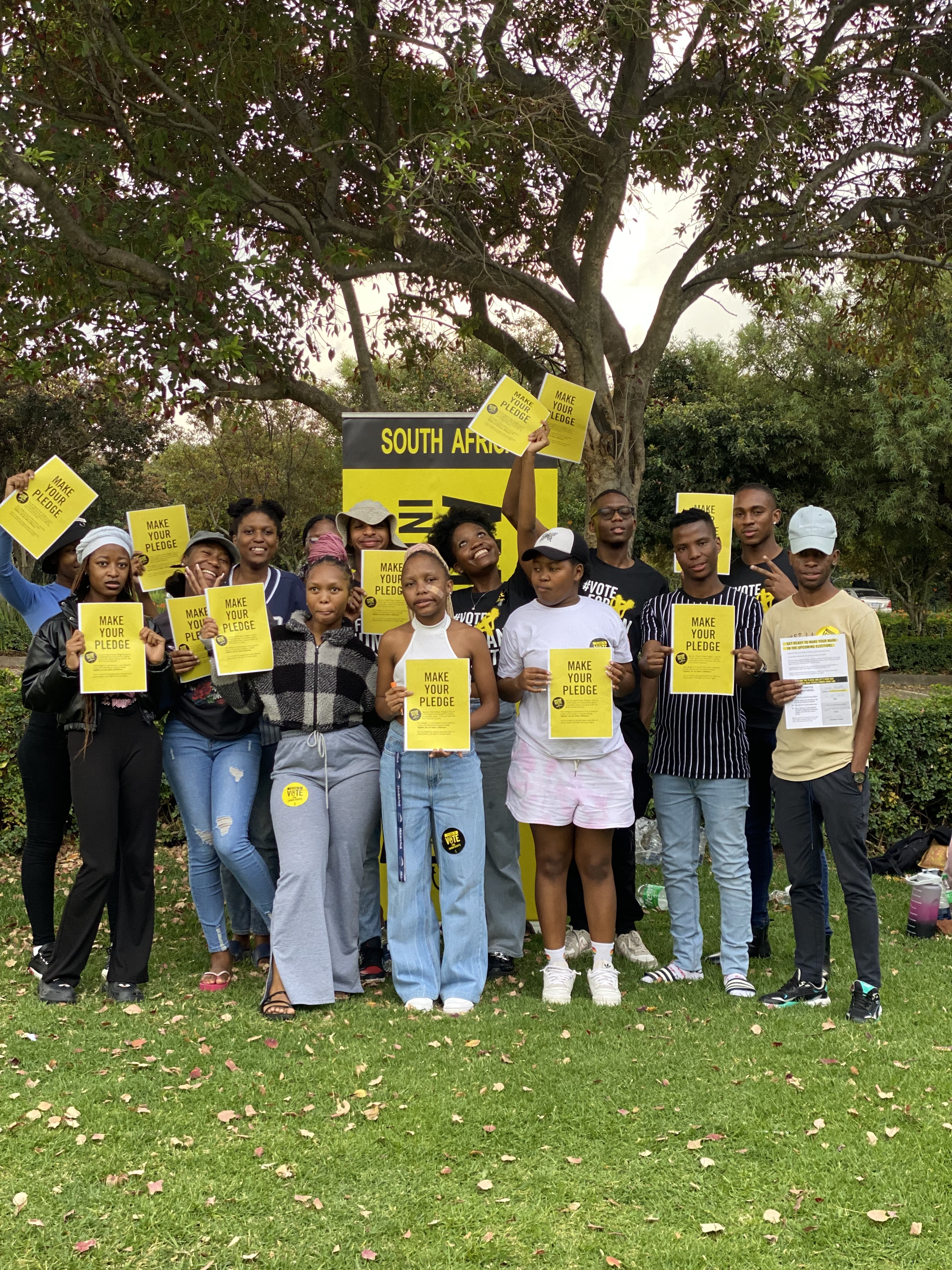
AI Wits held a debate on voting literacy on 26 April.
Phila Dlamini, AI Wits Vice Chairperson said: “One notable highlight was the participation of civil society panellists, whose contributions were nothing short of exemplary. Their expertise, passion, and dedication to advancing human rights were evident throughout the event, enriching discussions and providing valuable perspectives. Their willingness to engage openly and honestly further elevated the dialogue, inspiring attendees. Their contributions were instrumental in shaping the event’s success and ensuring its lasting impact on all who participated.”
 l
l
AI UNIVERSITY OF FORT HARE (UFH)
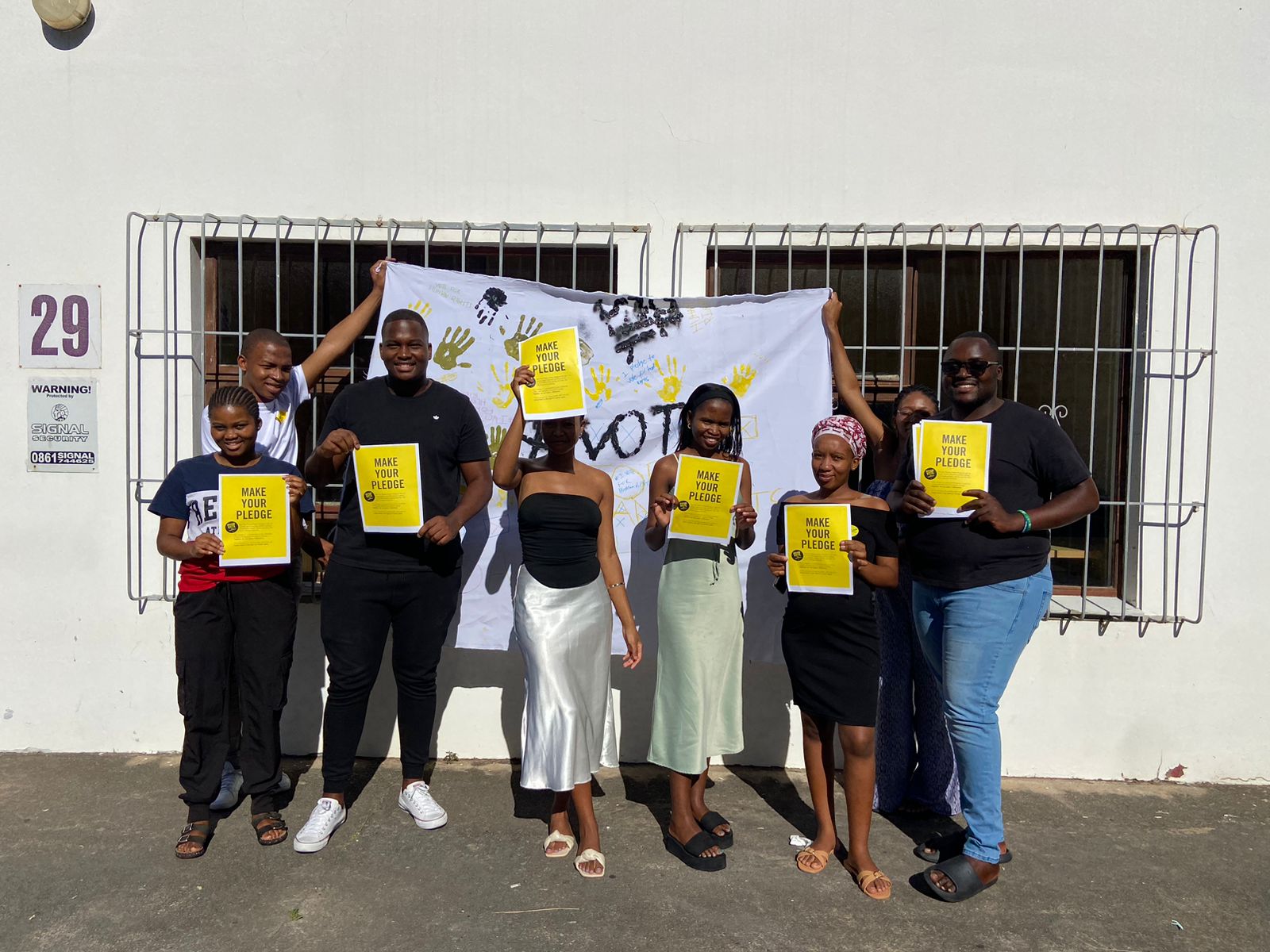
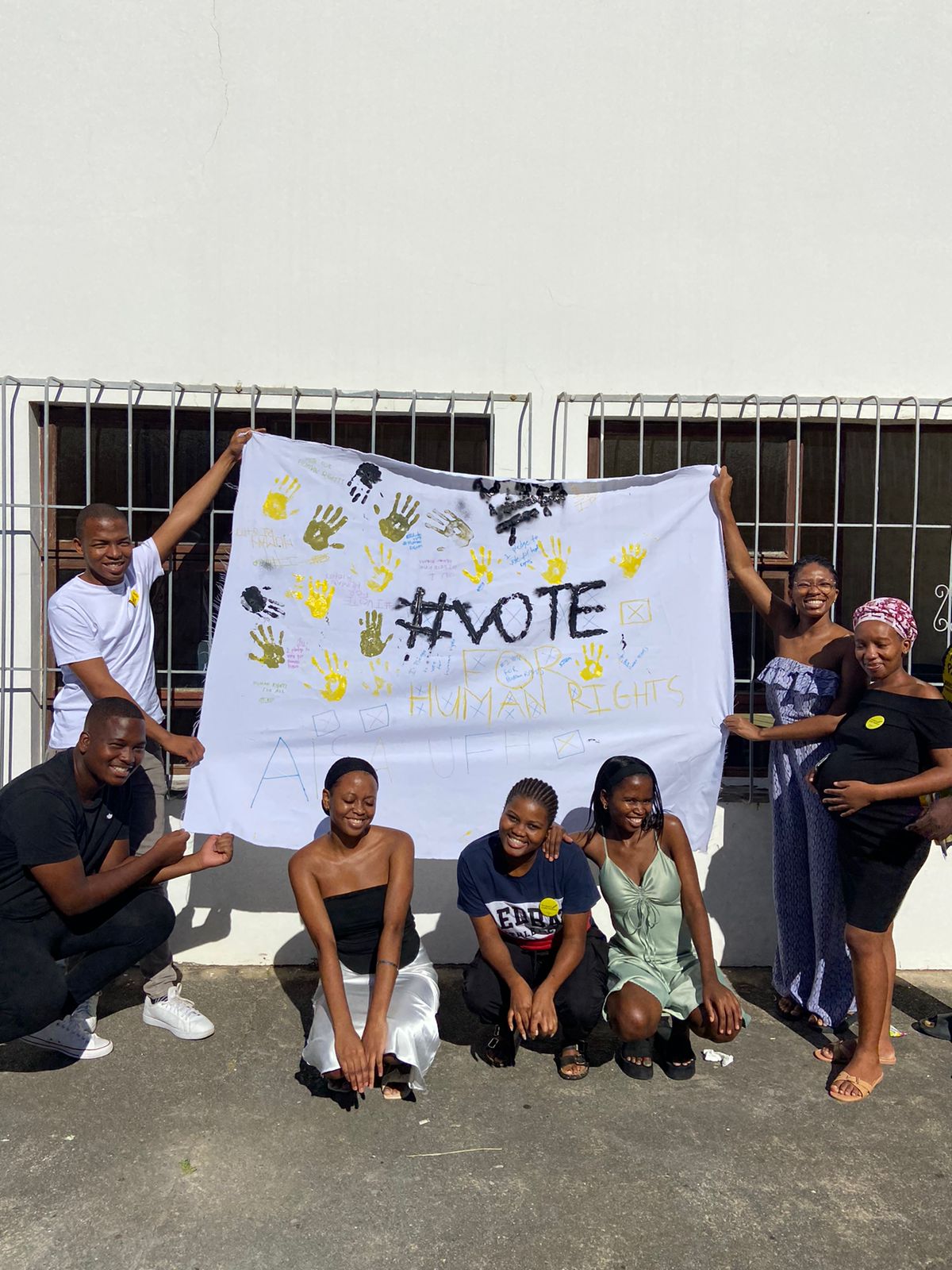
AI UFH held an opening event and painted a mural on 30 April as part of the #VoteForHumanRights campaign.
AI University of Cape Town (UCT)
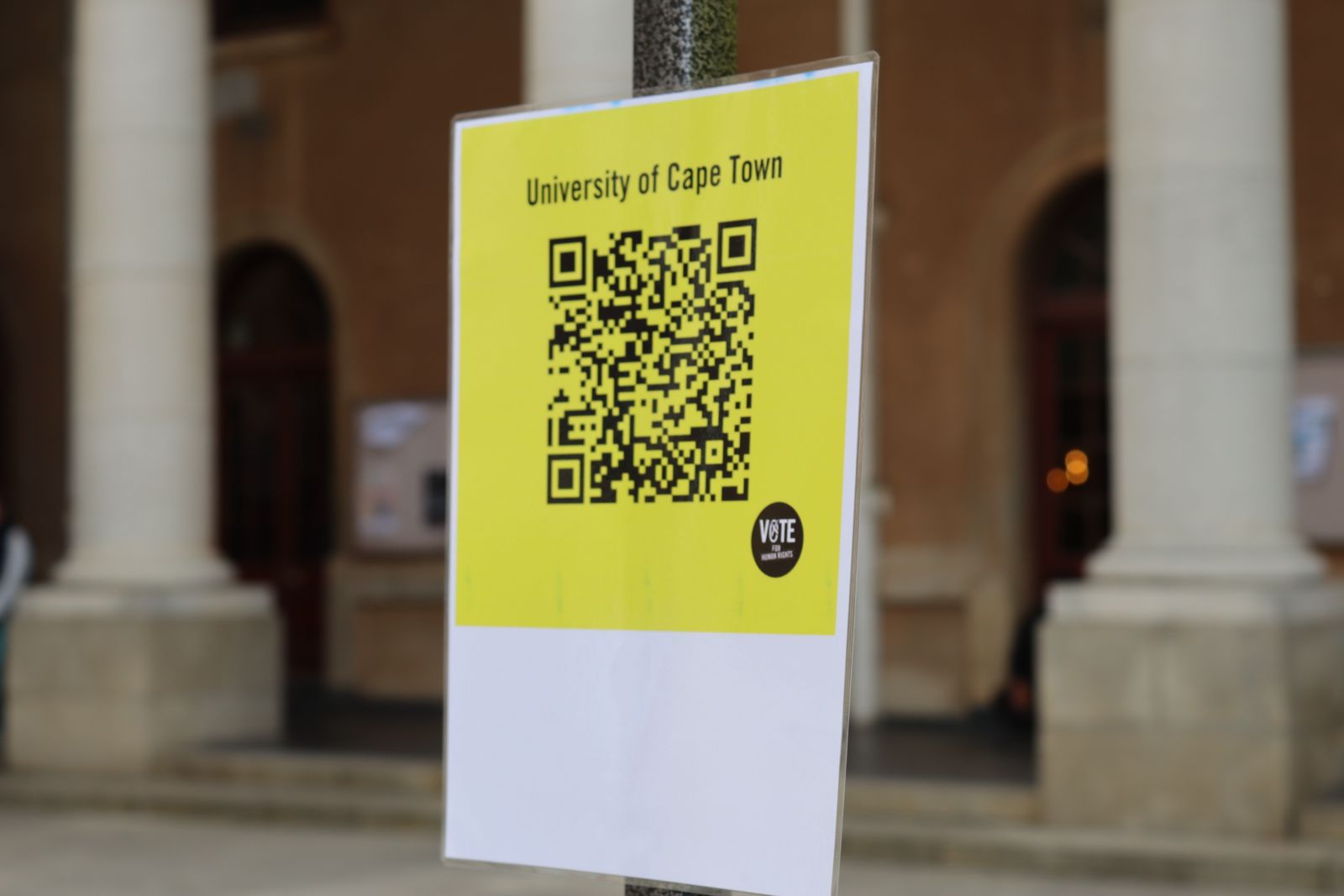
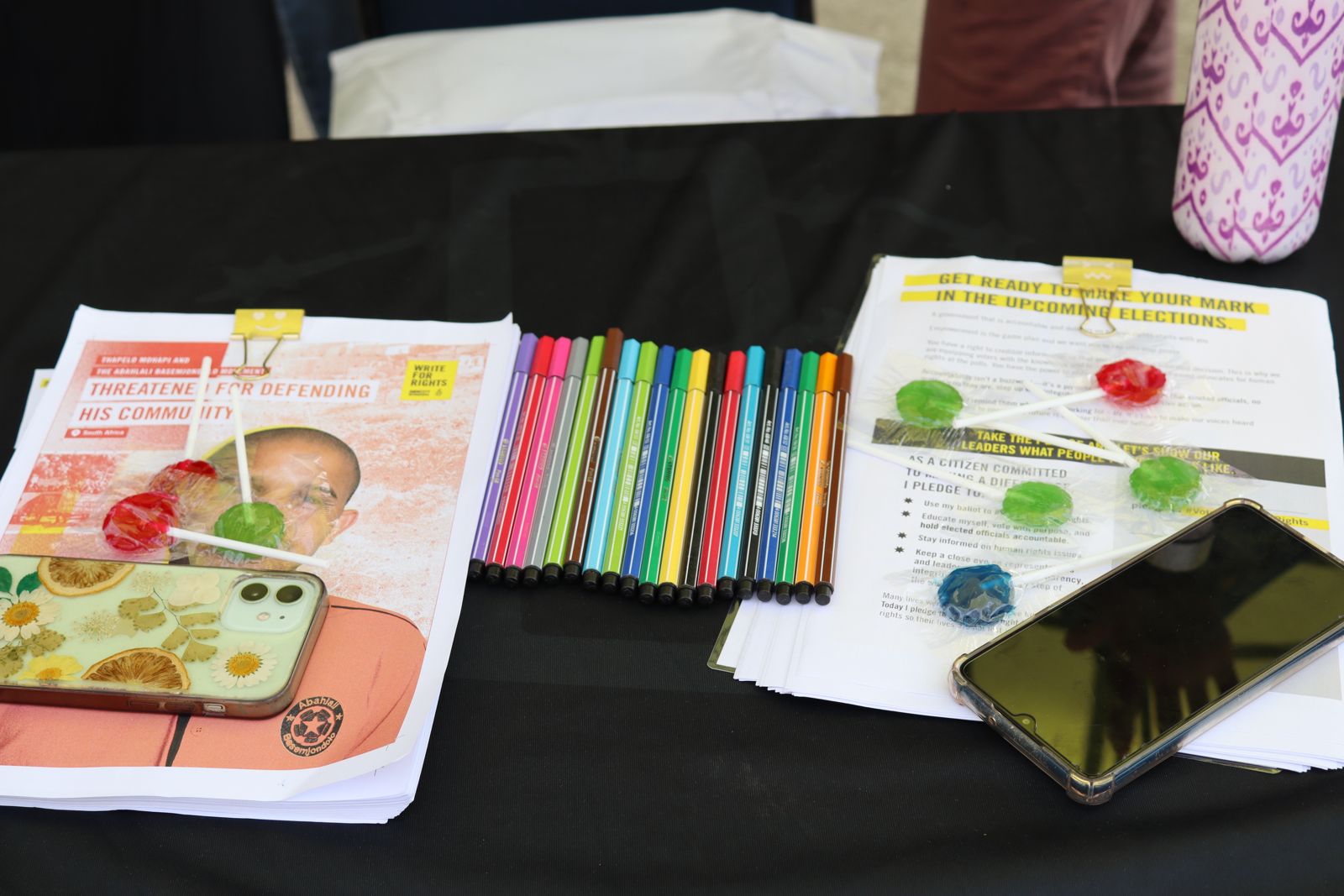
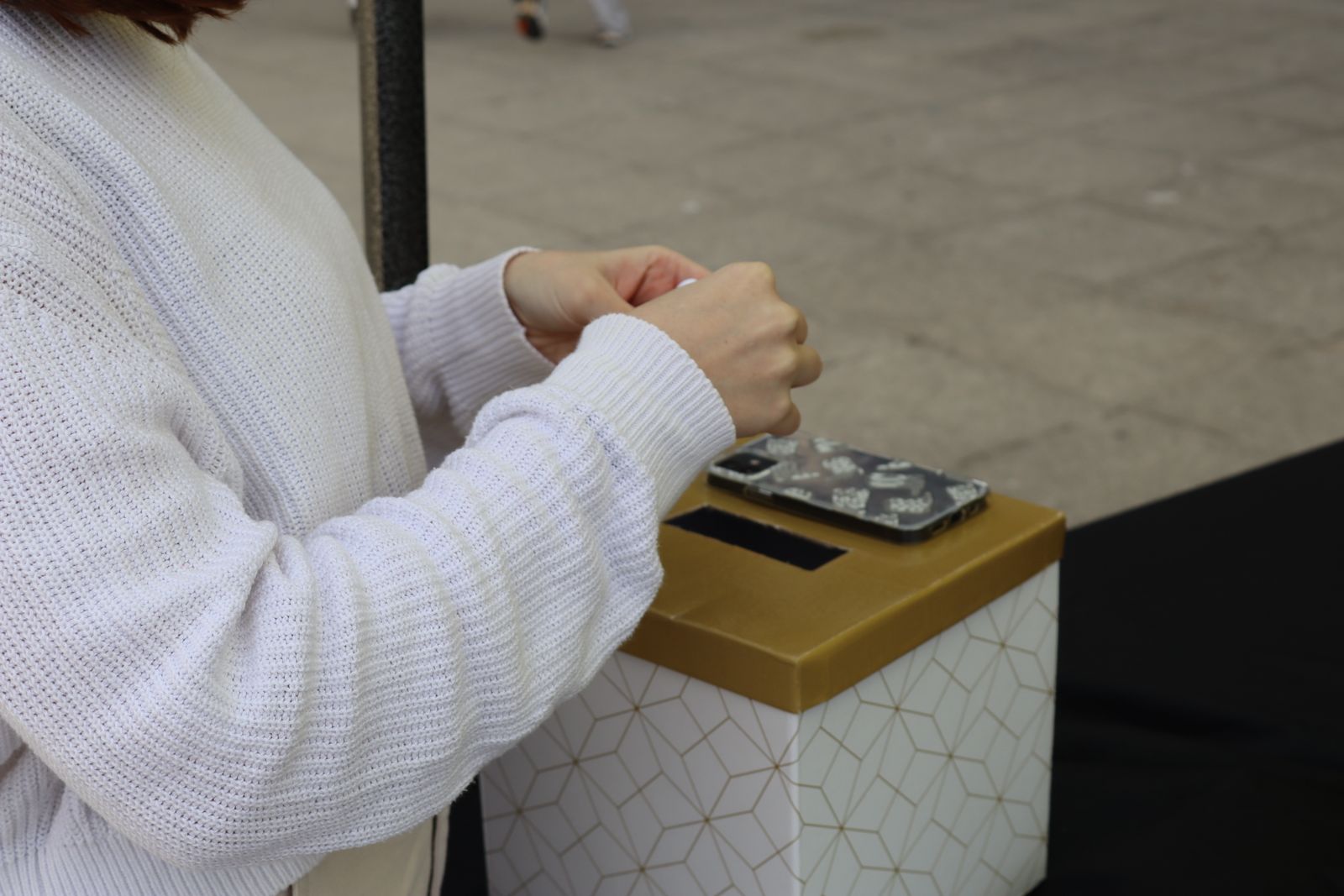
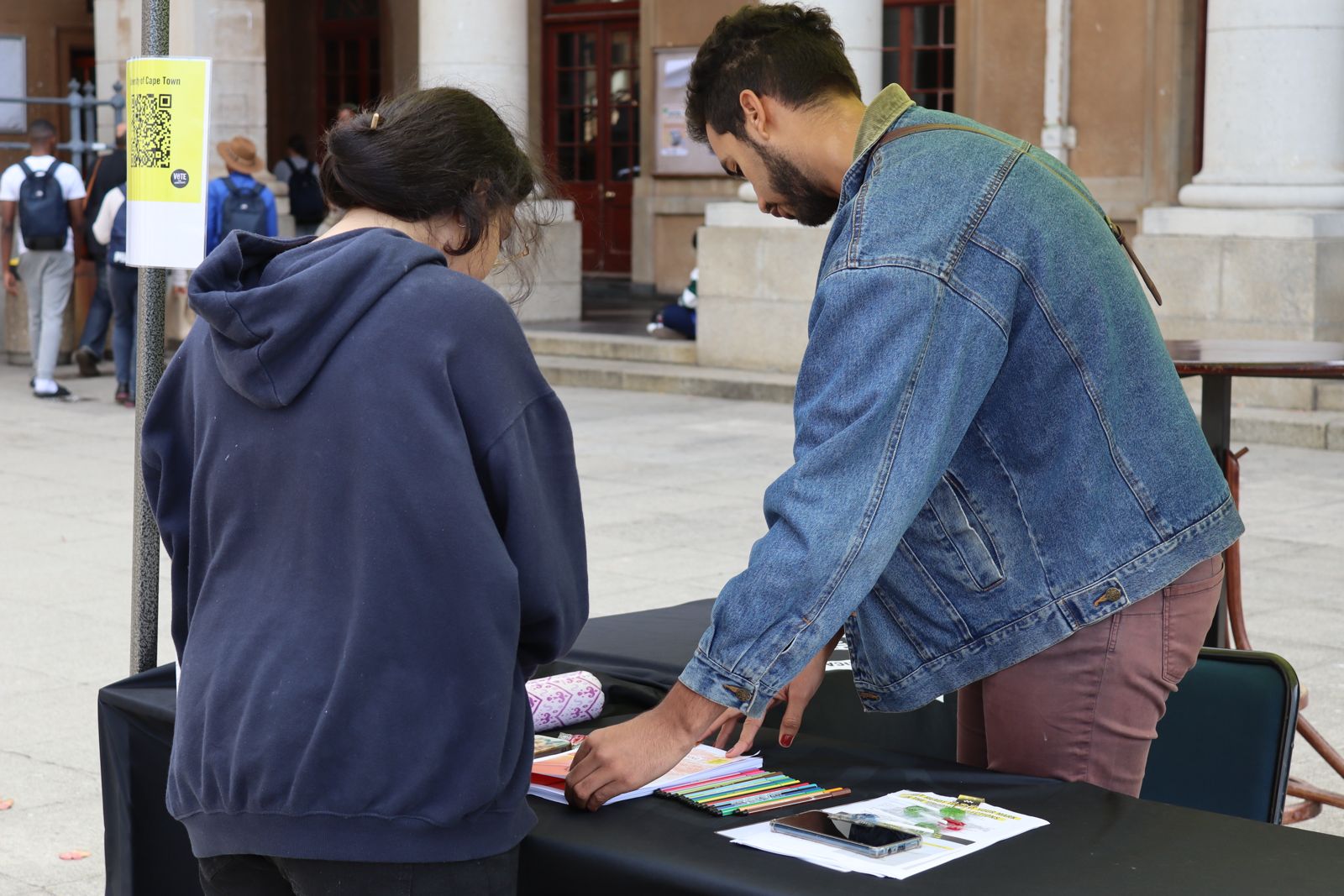
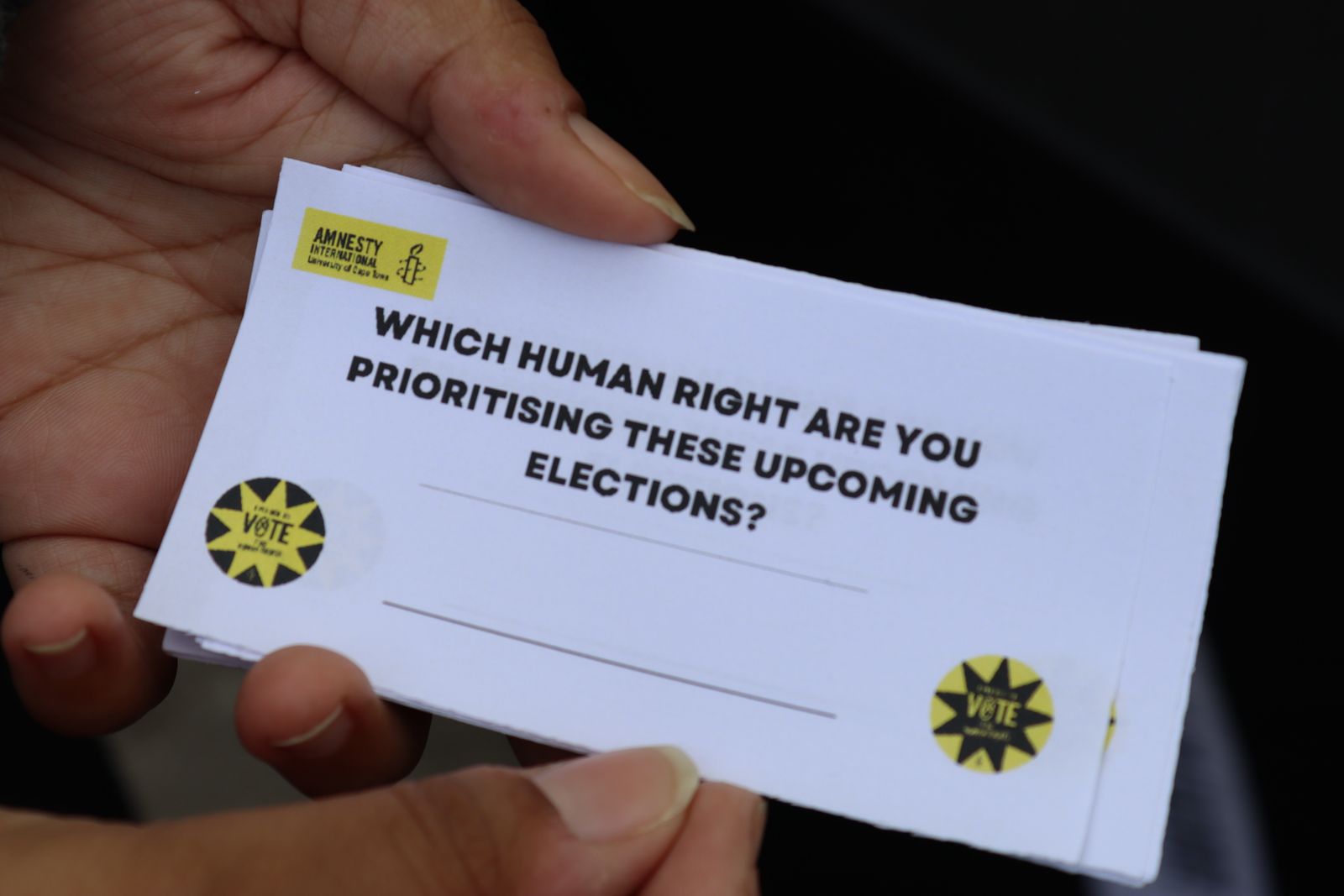
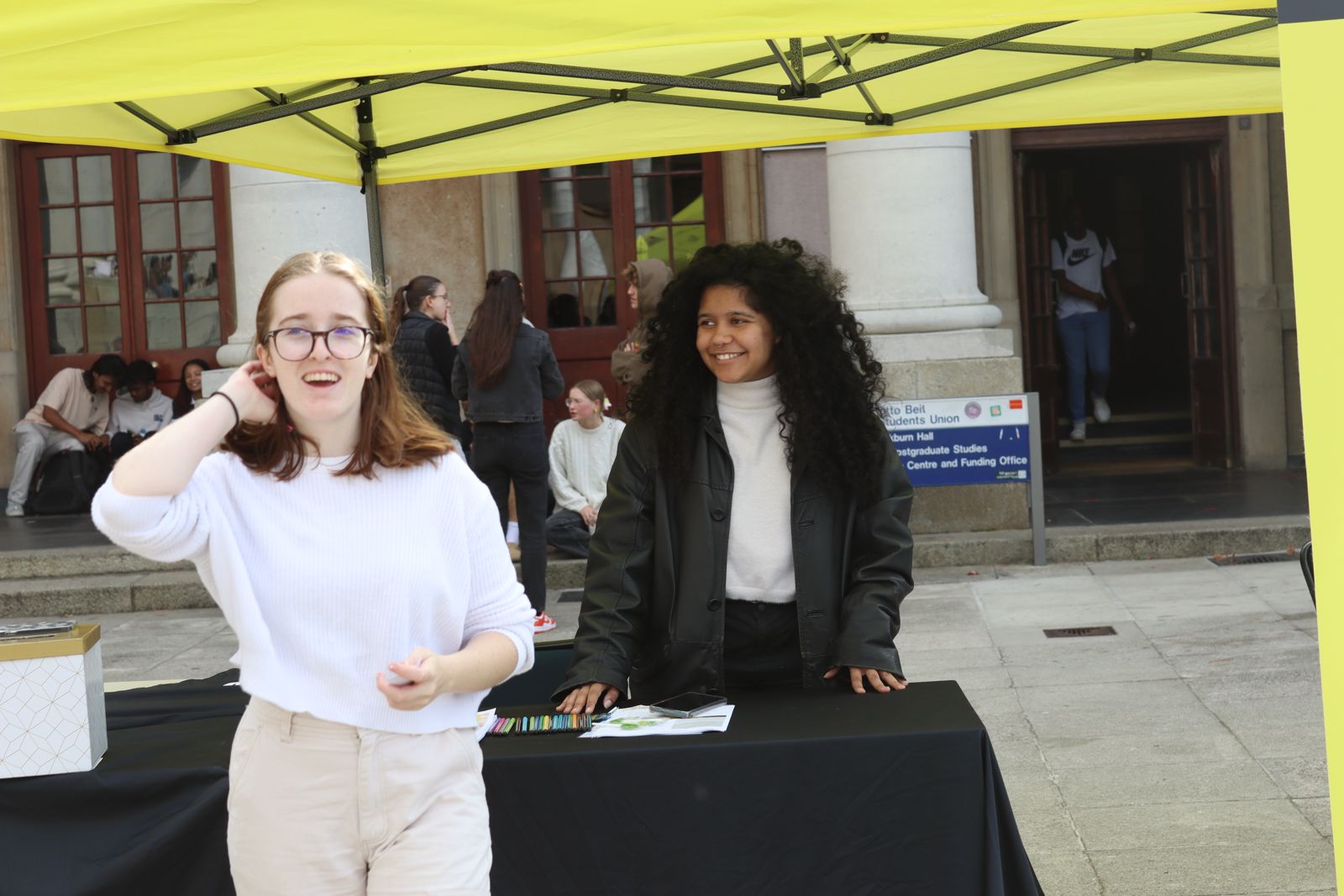
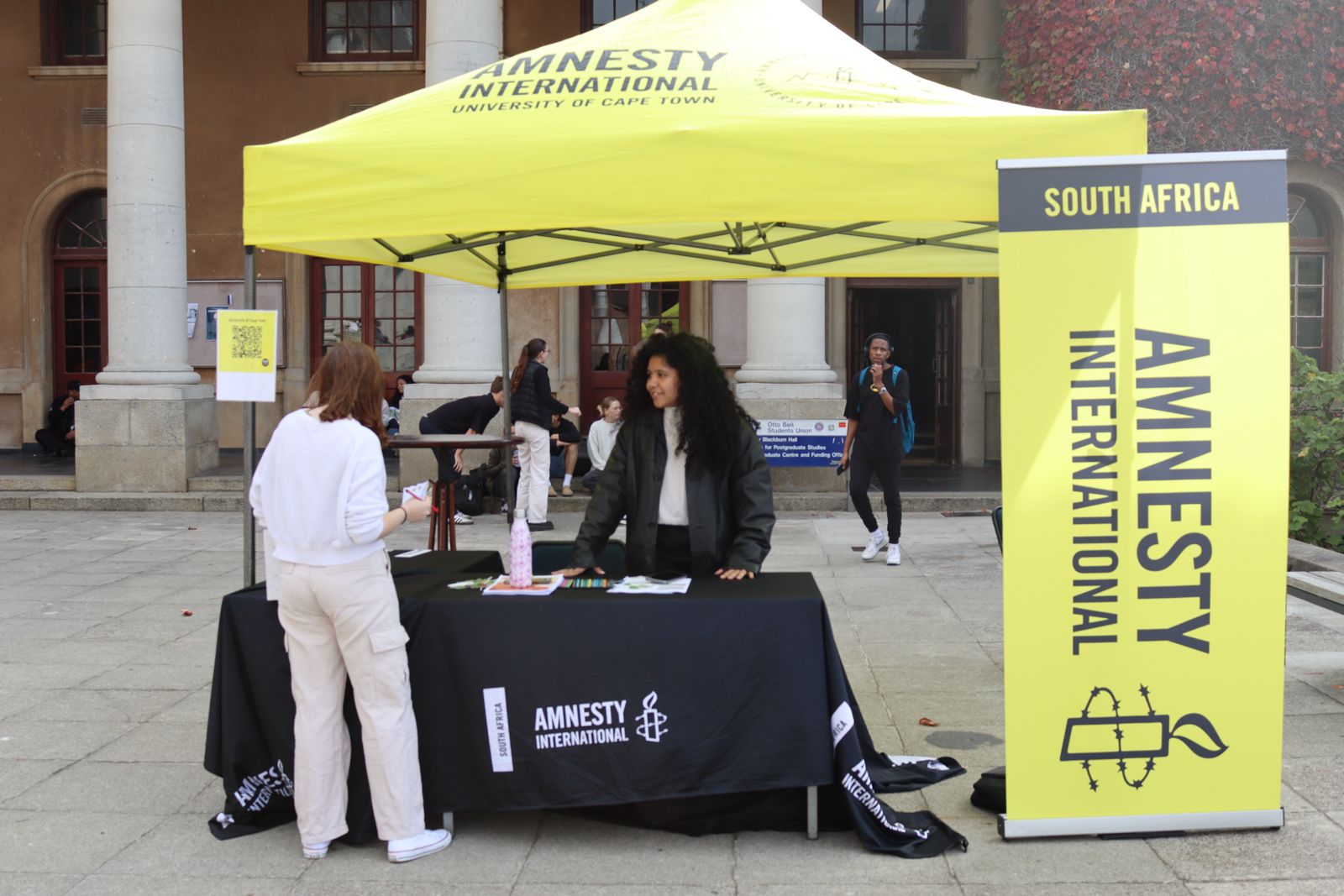
AI UCT held a pop-up ballot box event on 25 April. The ballot box questions included: “Which human rights are you prioritising in these upcoming elections?”
AI RHODES UNIVERSITY (RU)
The Rhodes University chapter painted a mural to raise awareness for the #VoteForHumanRights campaign.
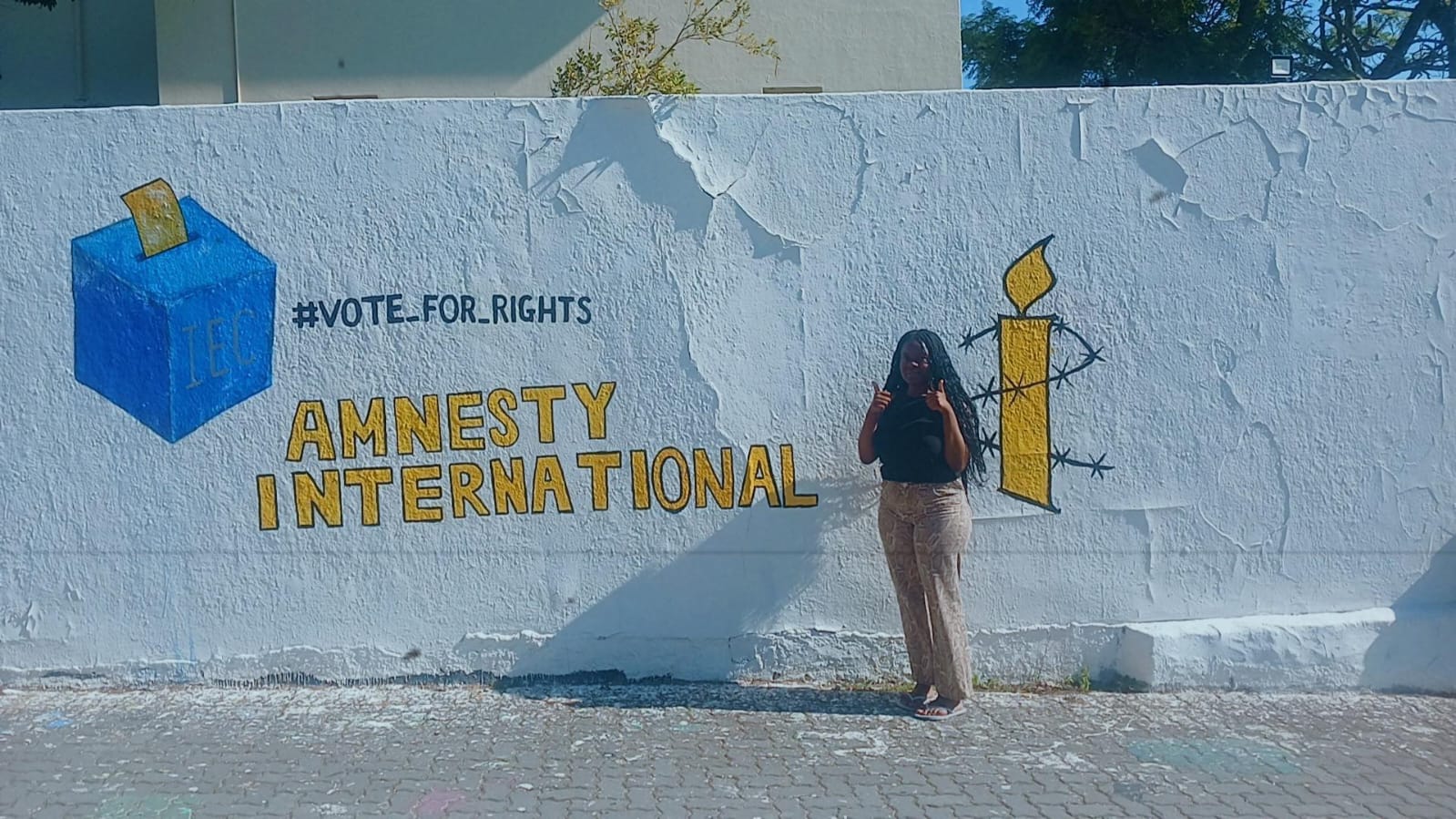
AI WALTER SISULU UNIVERSITY (MTHATHA)
AI WSU held a pop-up event on 10 May.
Zoliswa Mzaca, AI WSU Mthatha said: “It was a success because we were able to engage with different individuals… from students to staff members of the university. We managed to get over 80 people to sign the pledge forms. Every individual who was there stated that they enjoyed taking part in the initiative.”
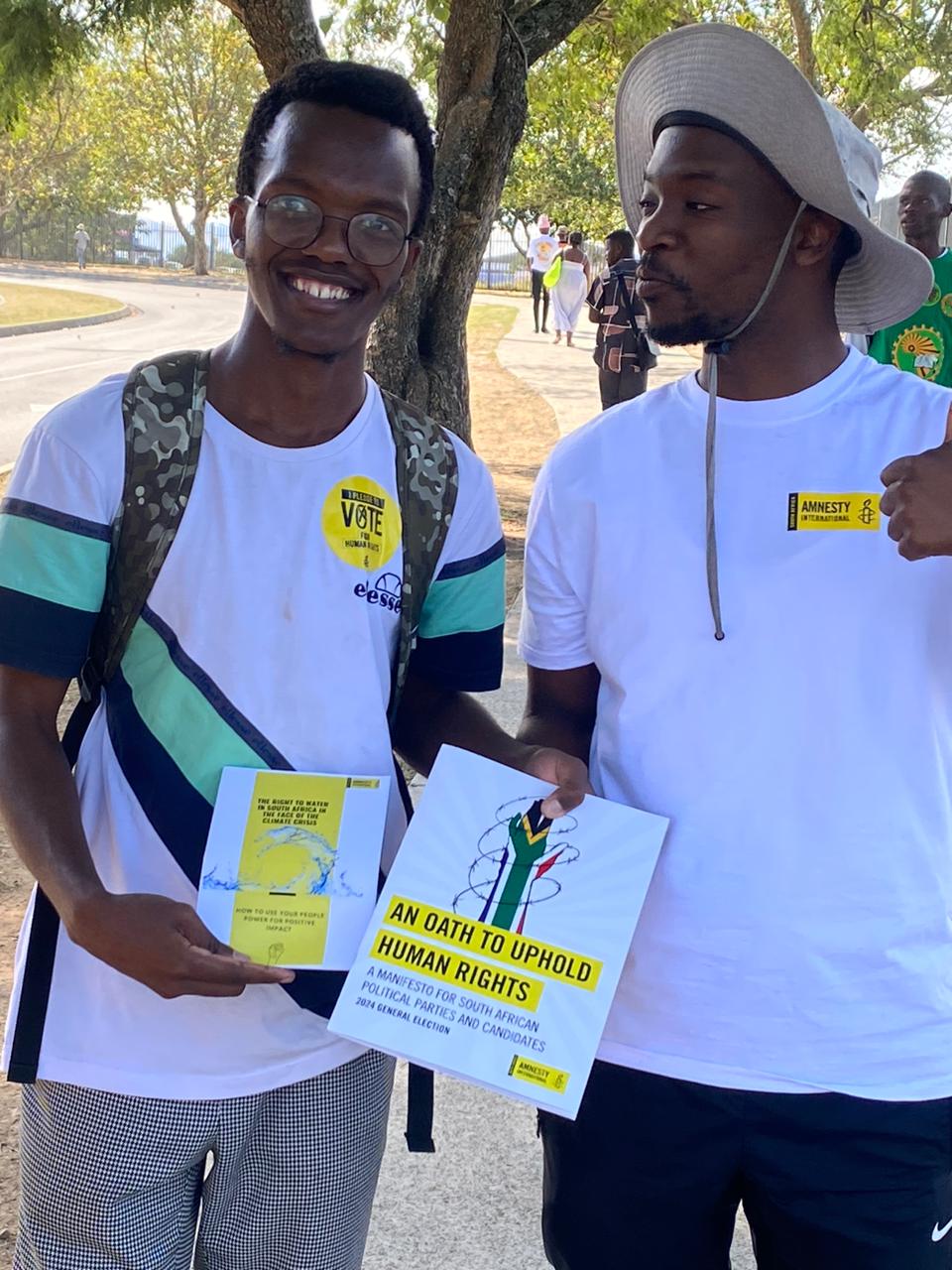
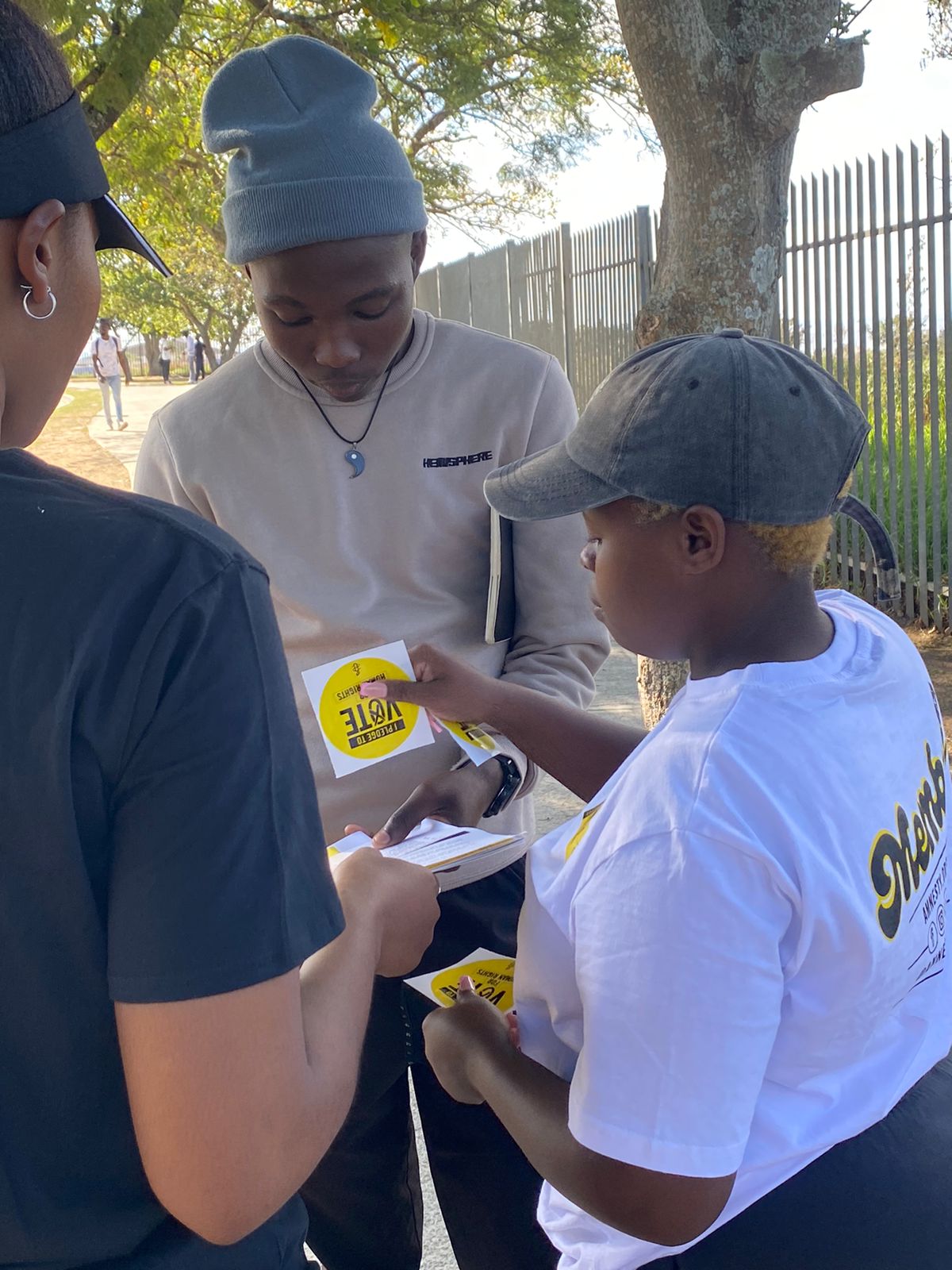
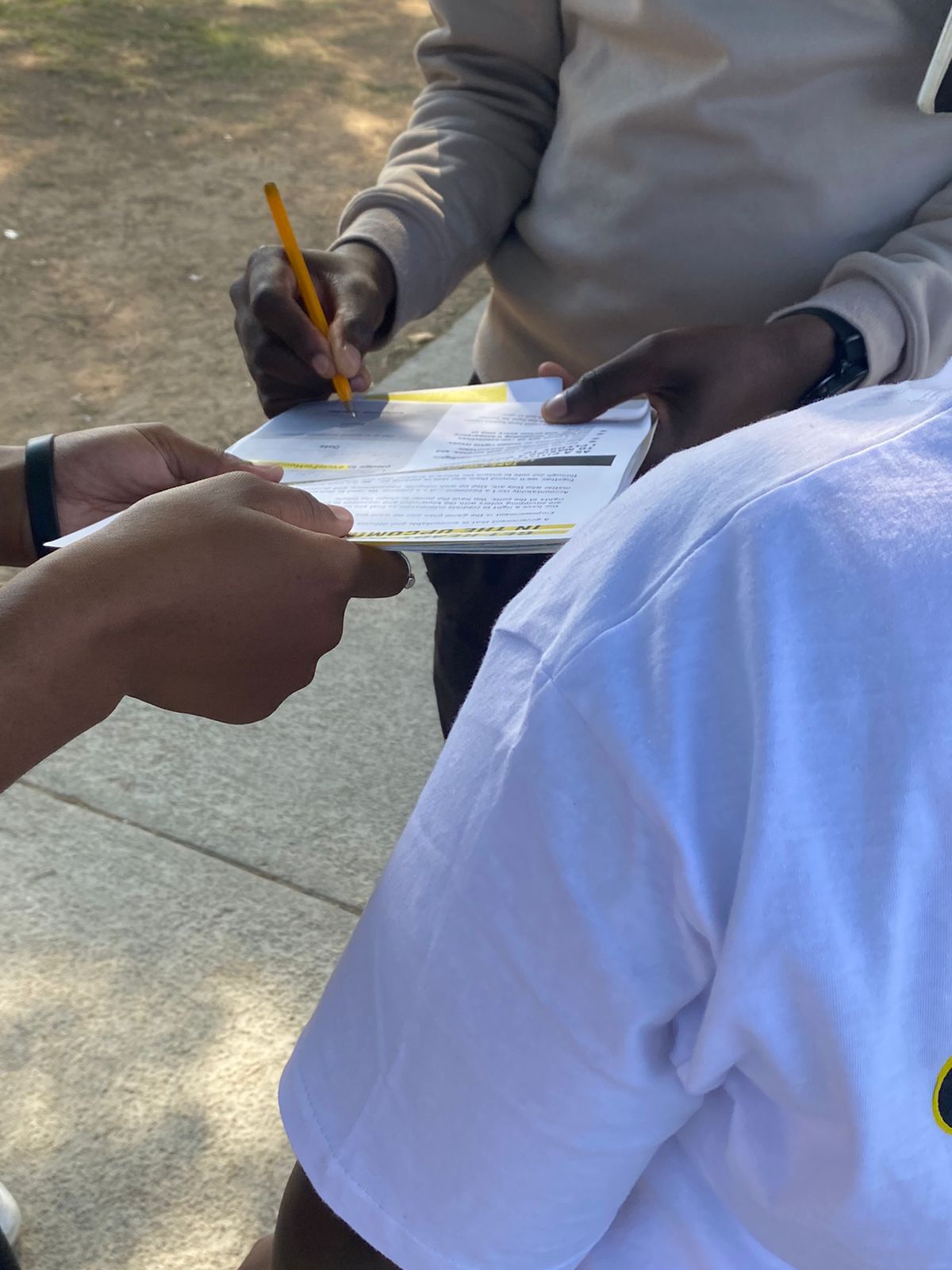
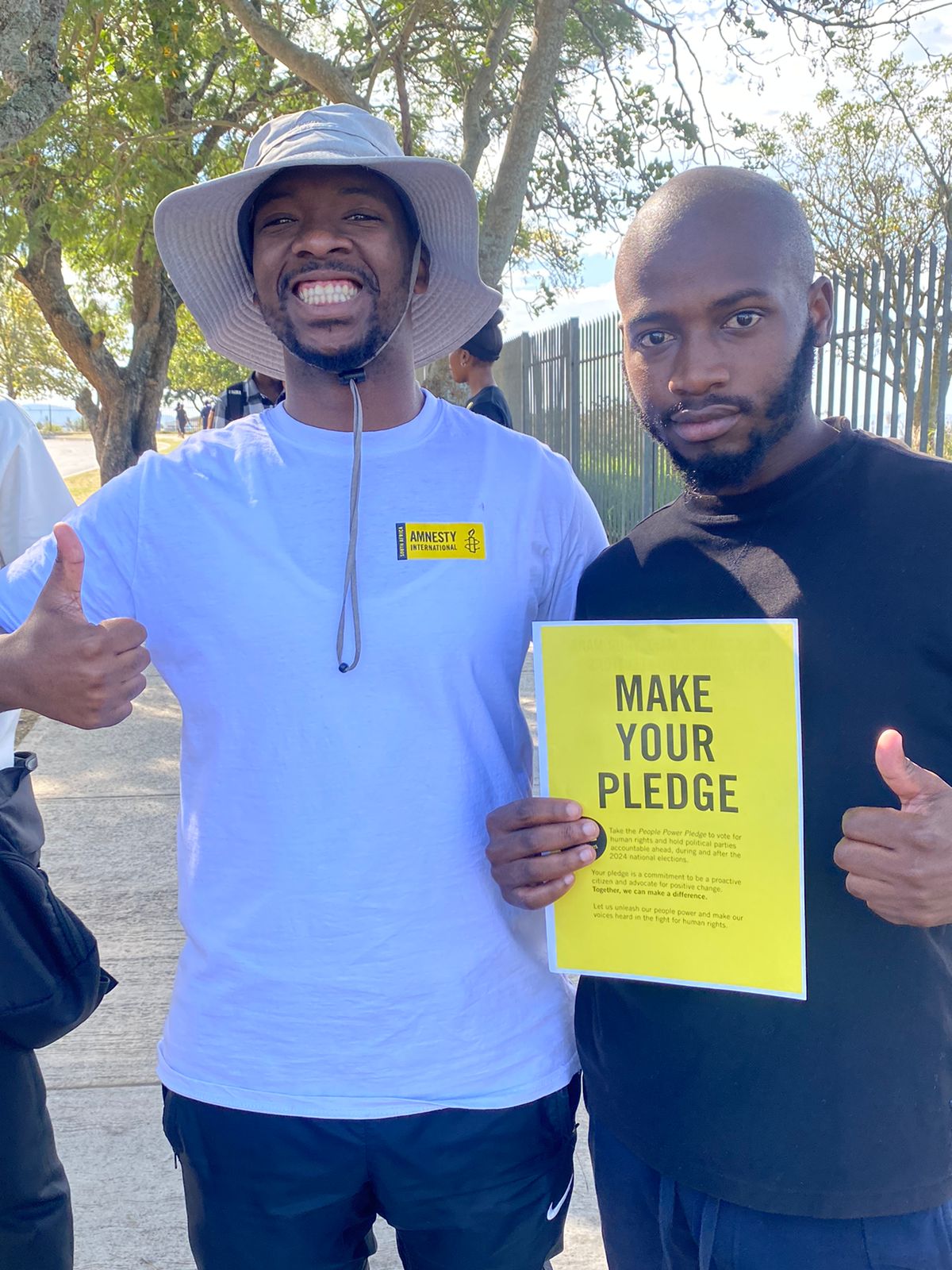
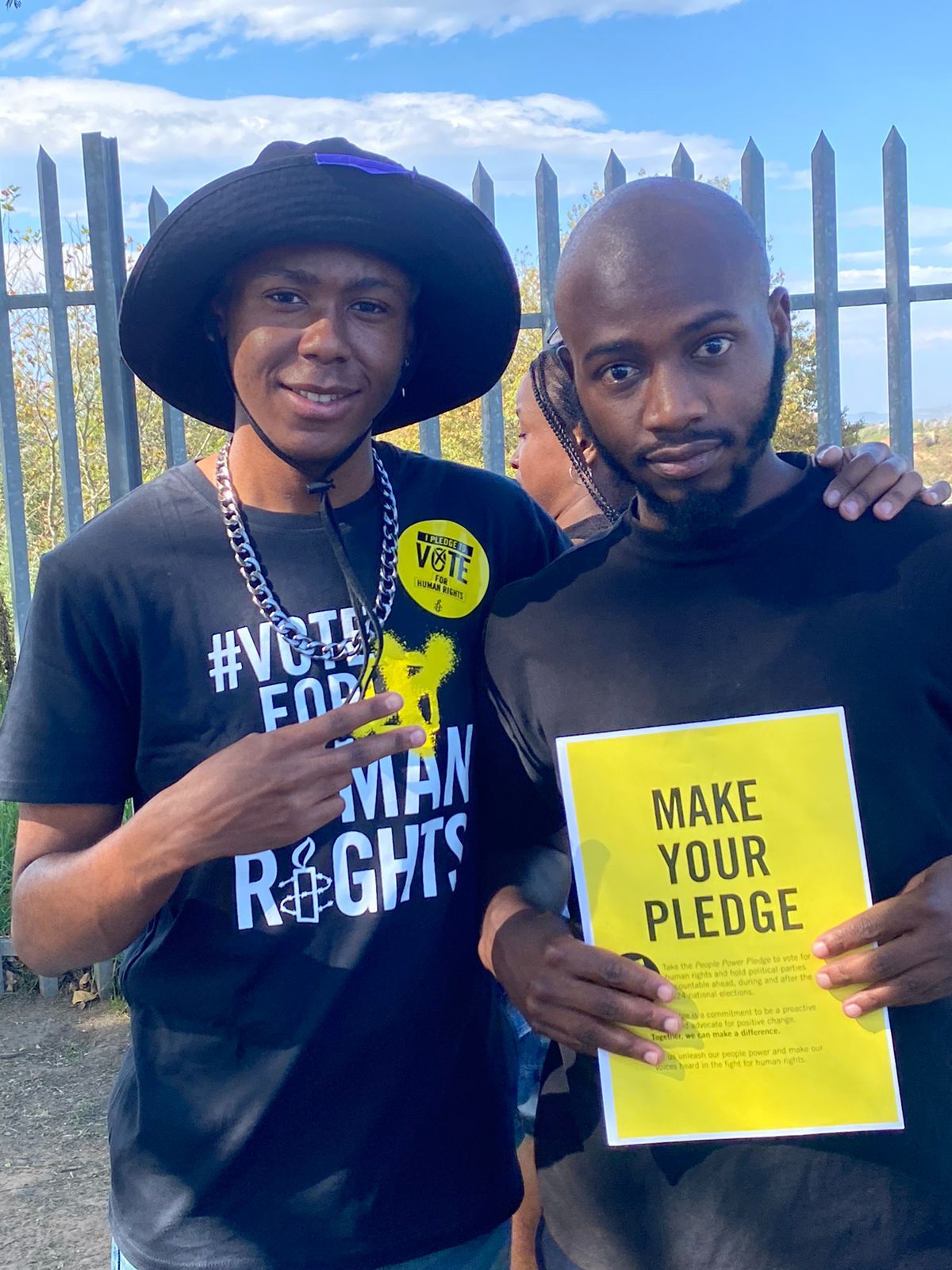
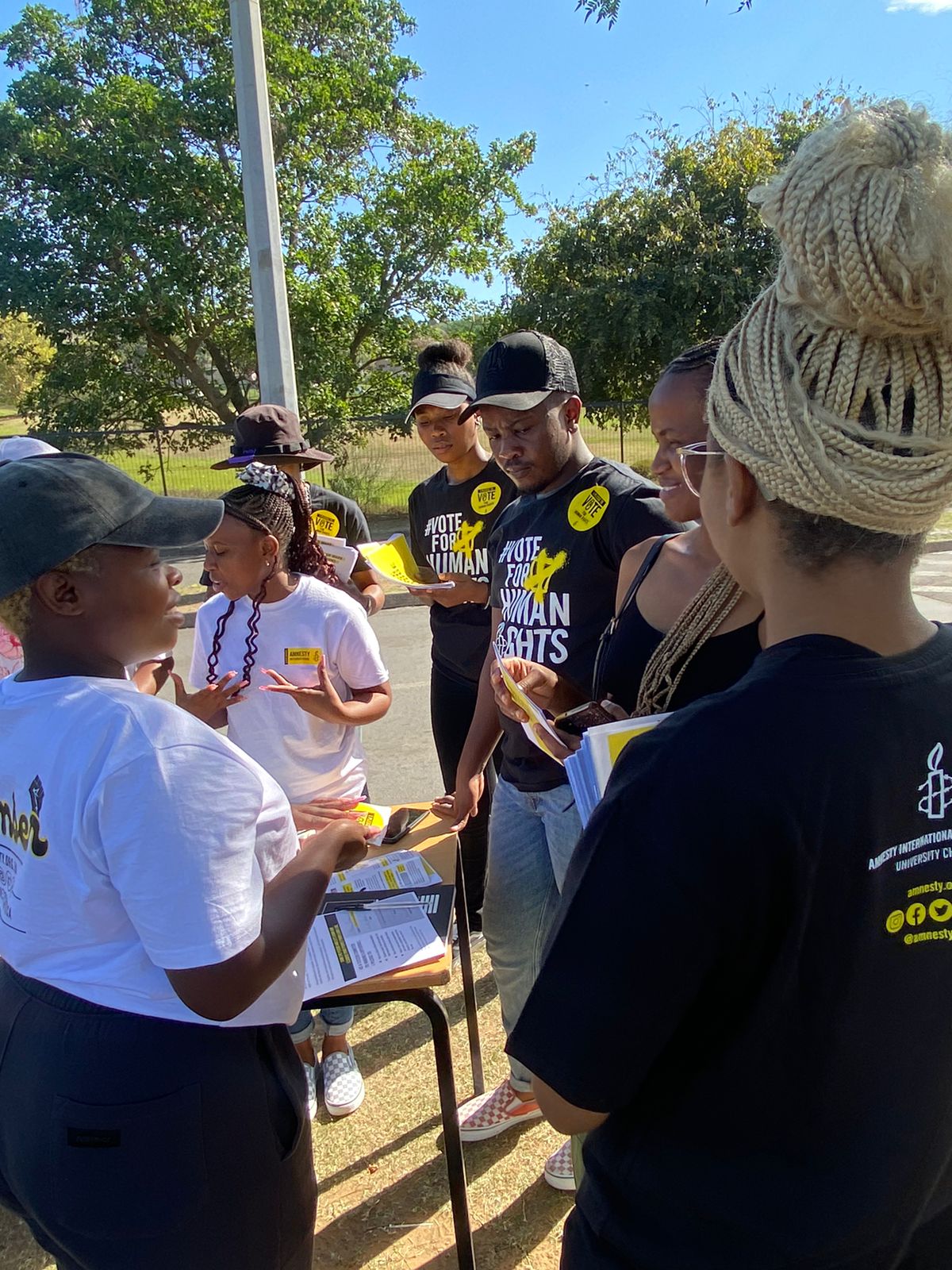
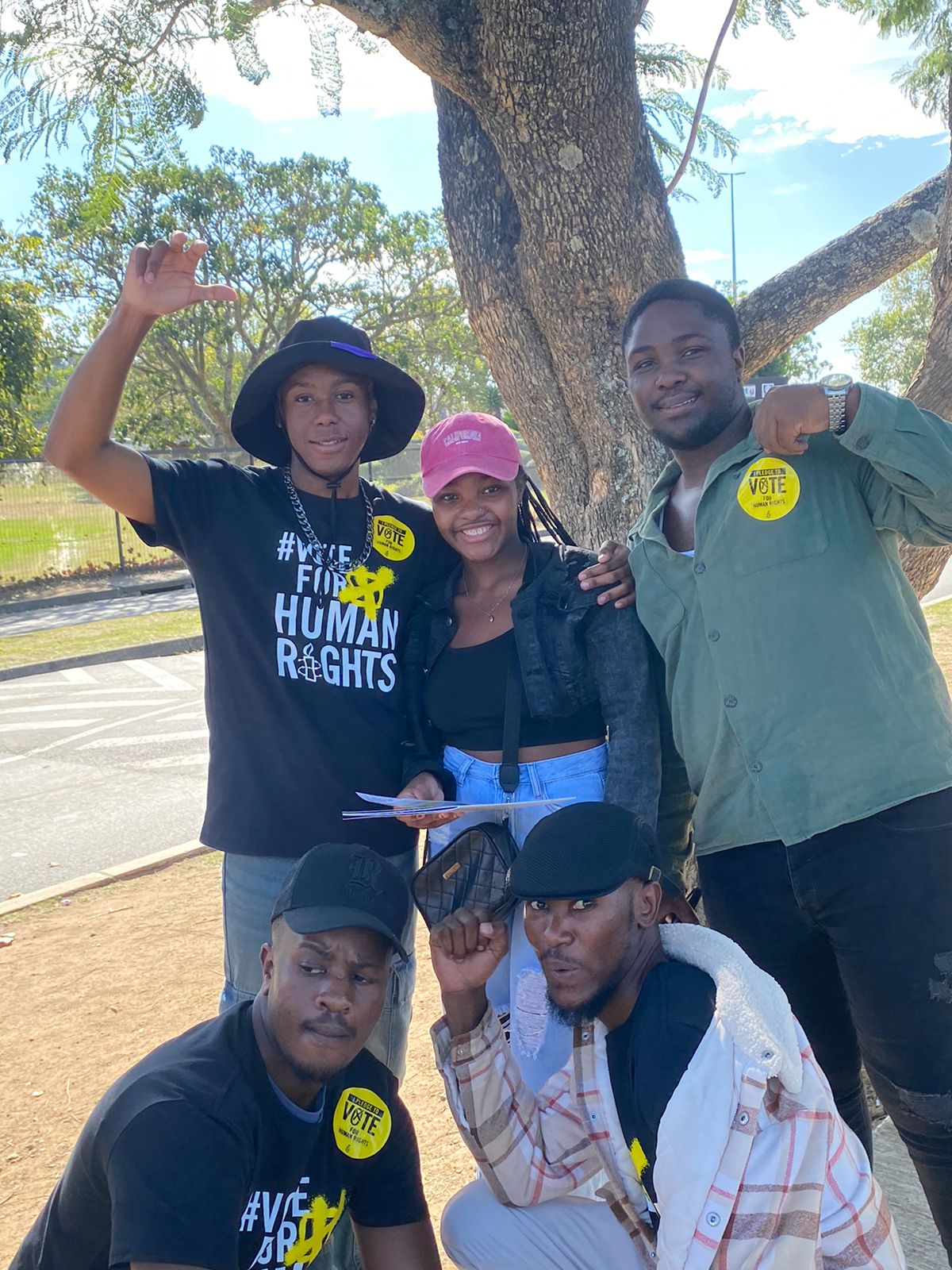
AI UNIVERSITY OF KWAZULU-NATAL (UKZN)
AI UKZN held a pop-up activation on 2 May.
AI UNIVERSITY OF NORTH WEST (NW)
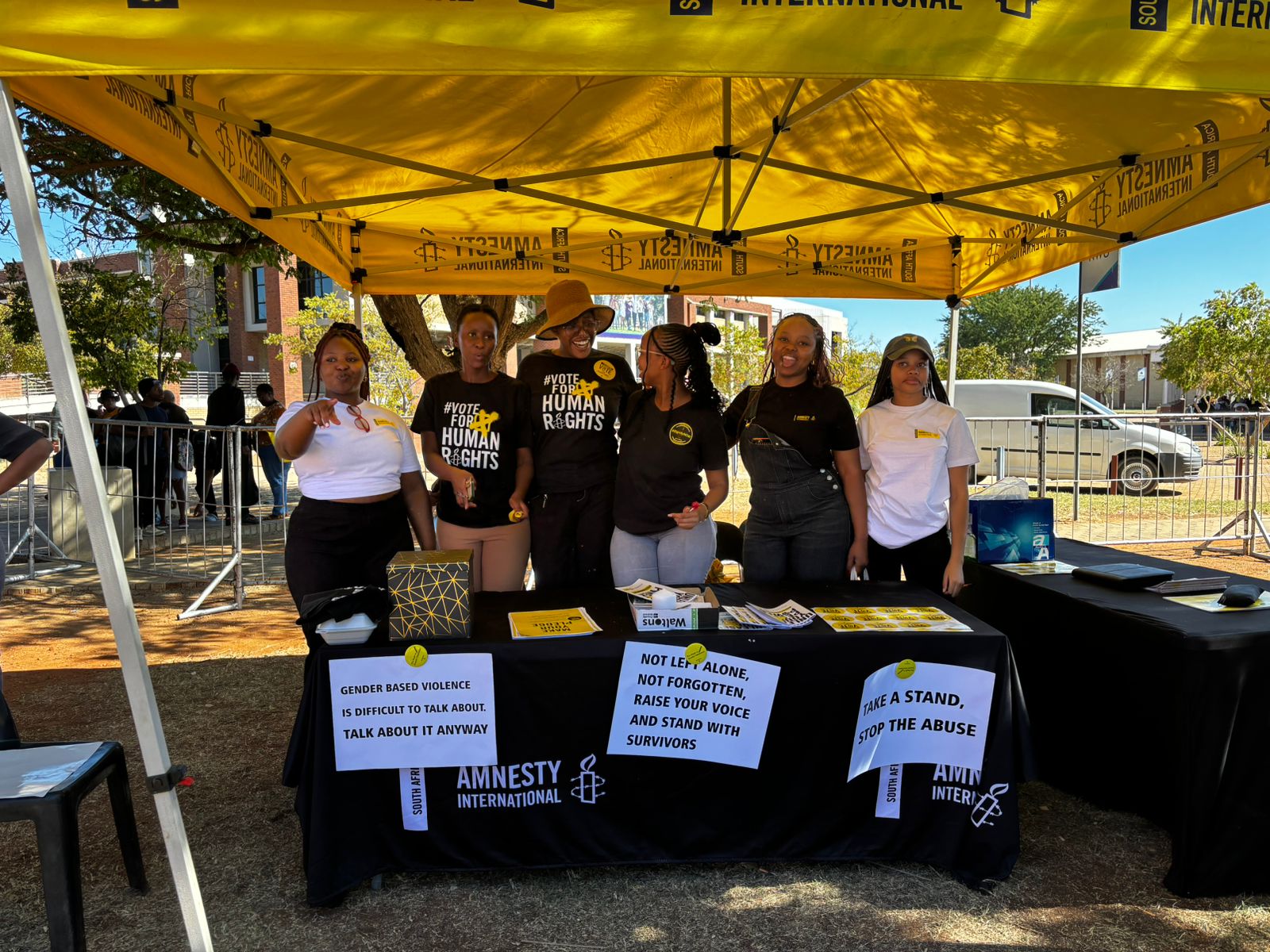
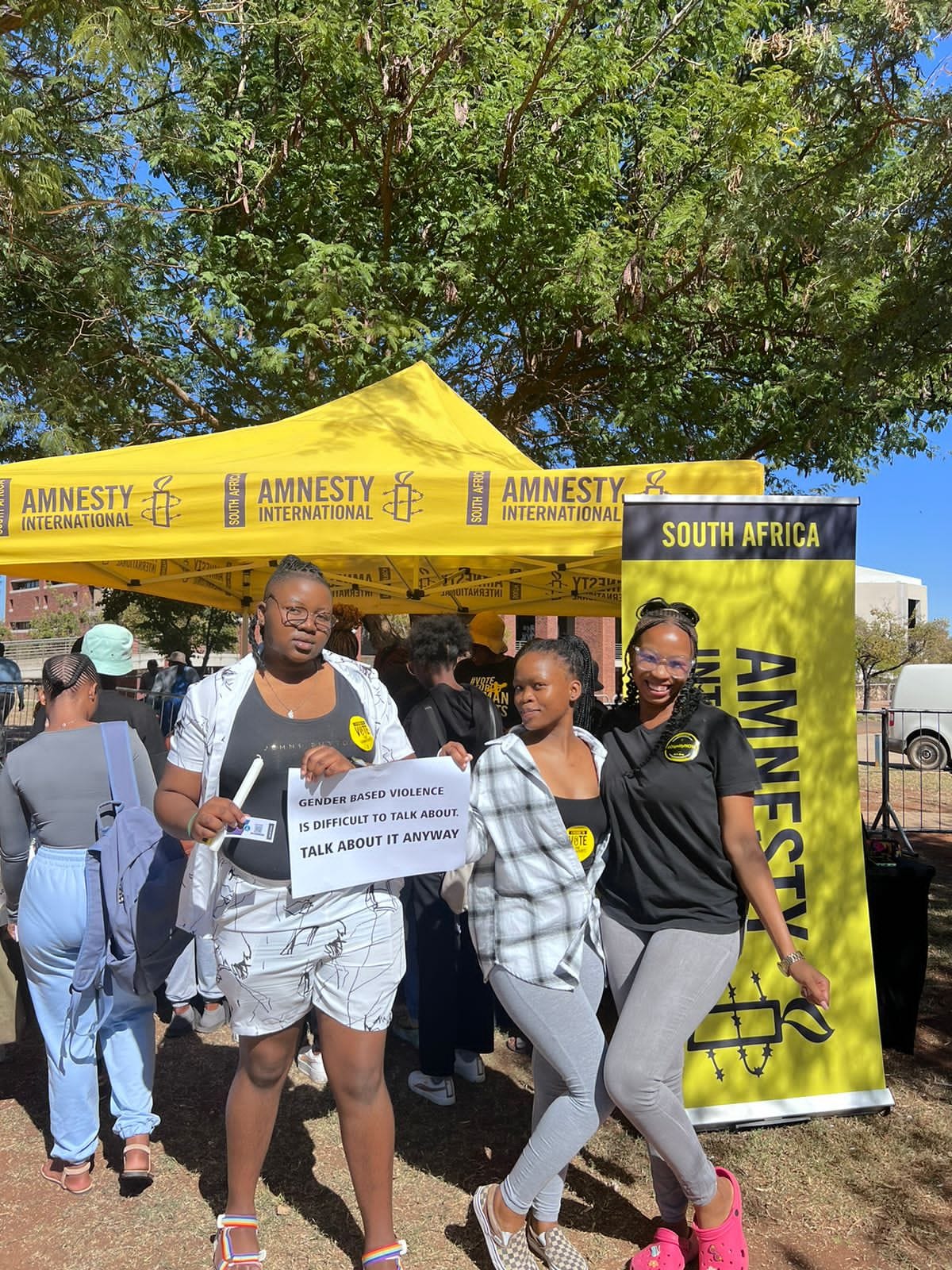
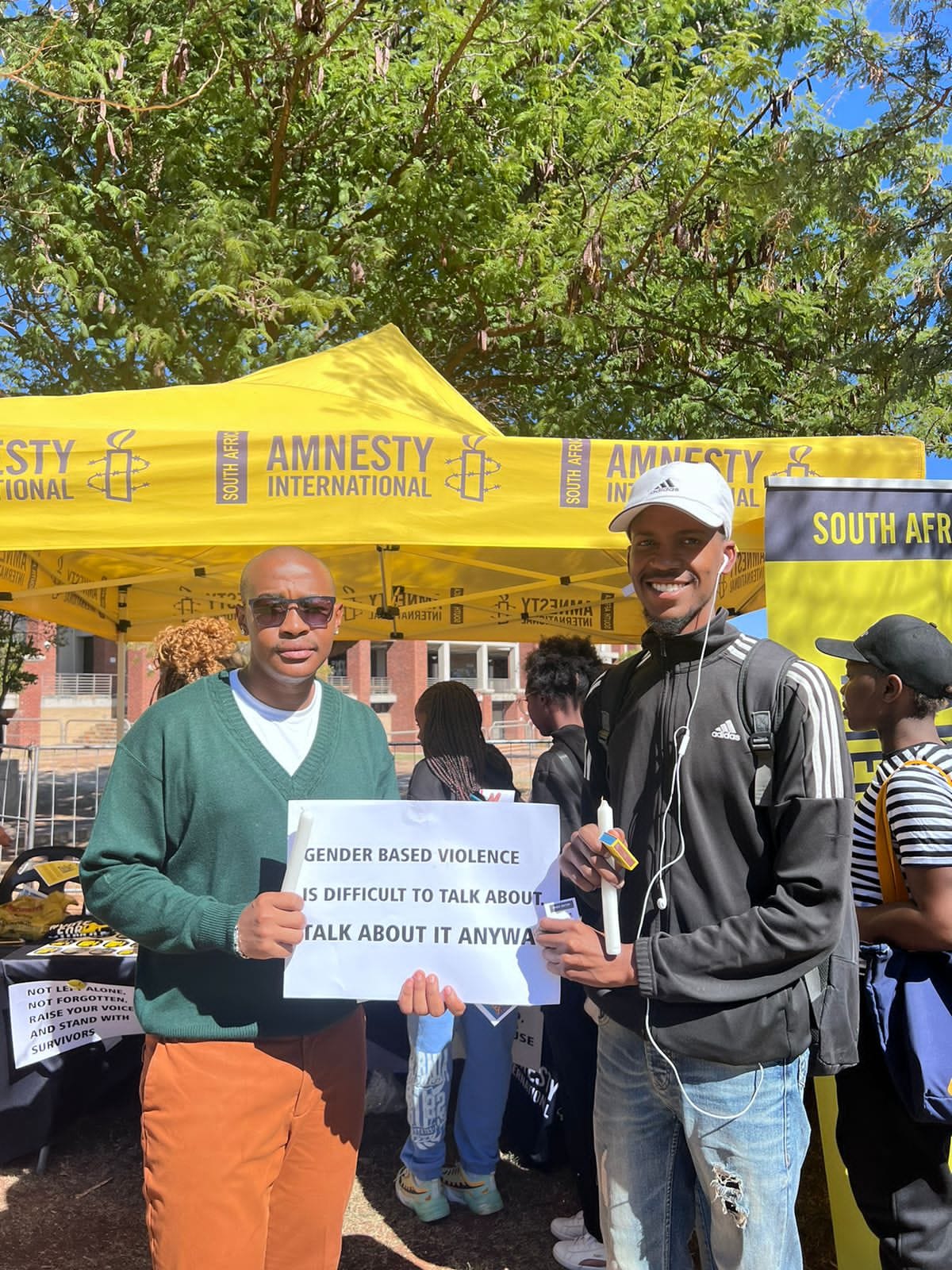
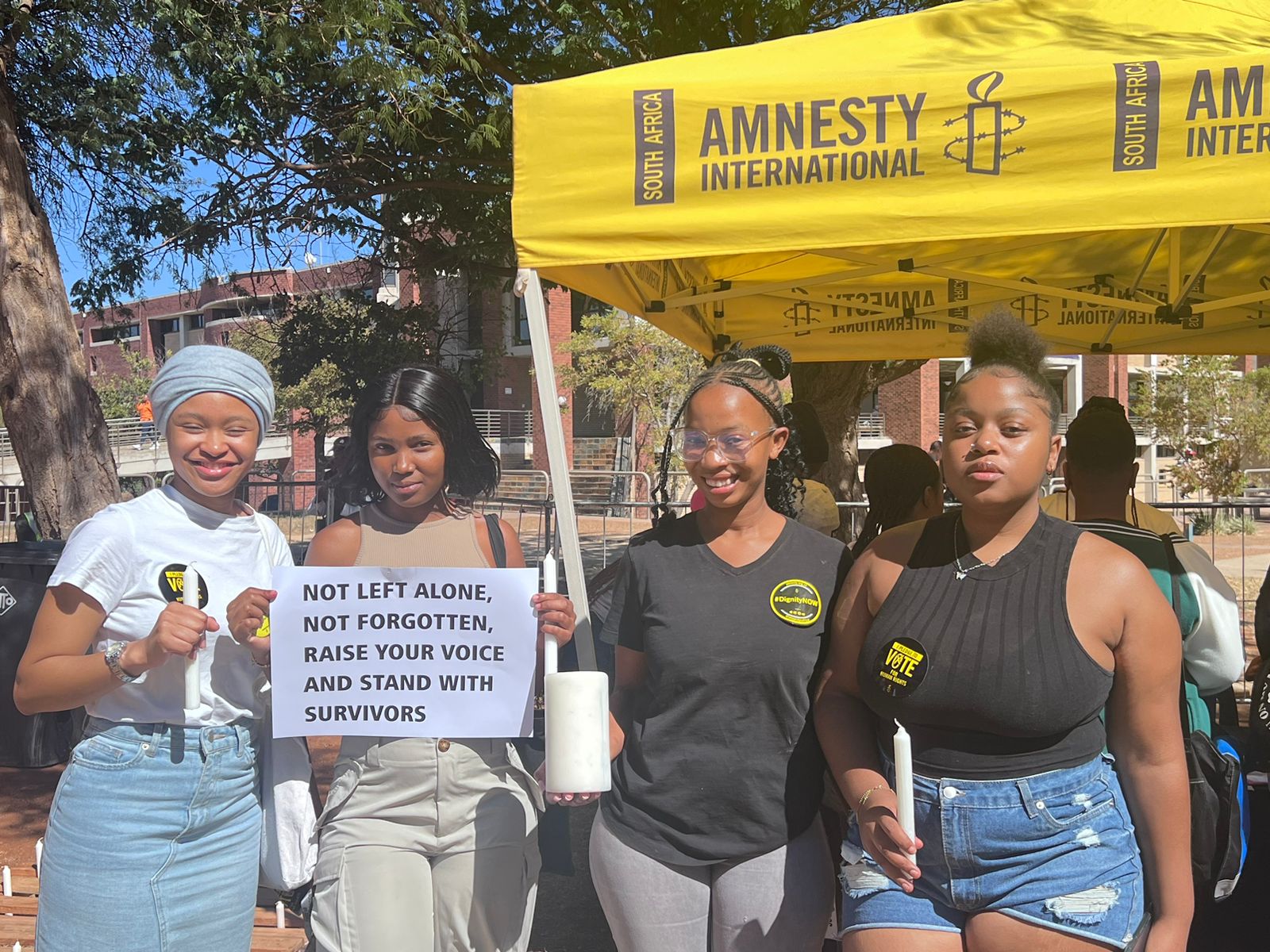
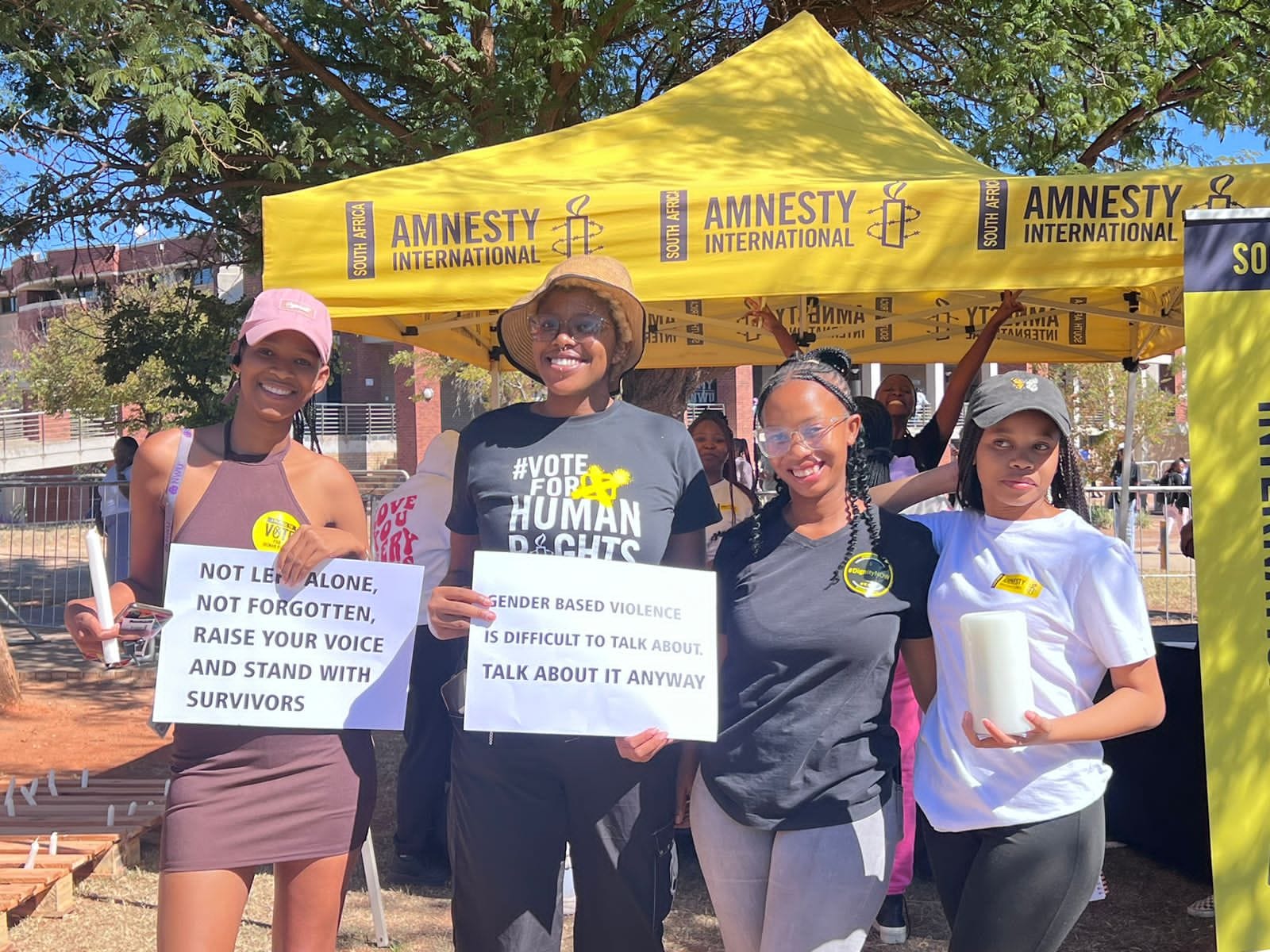
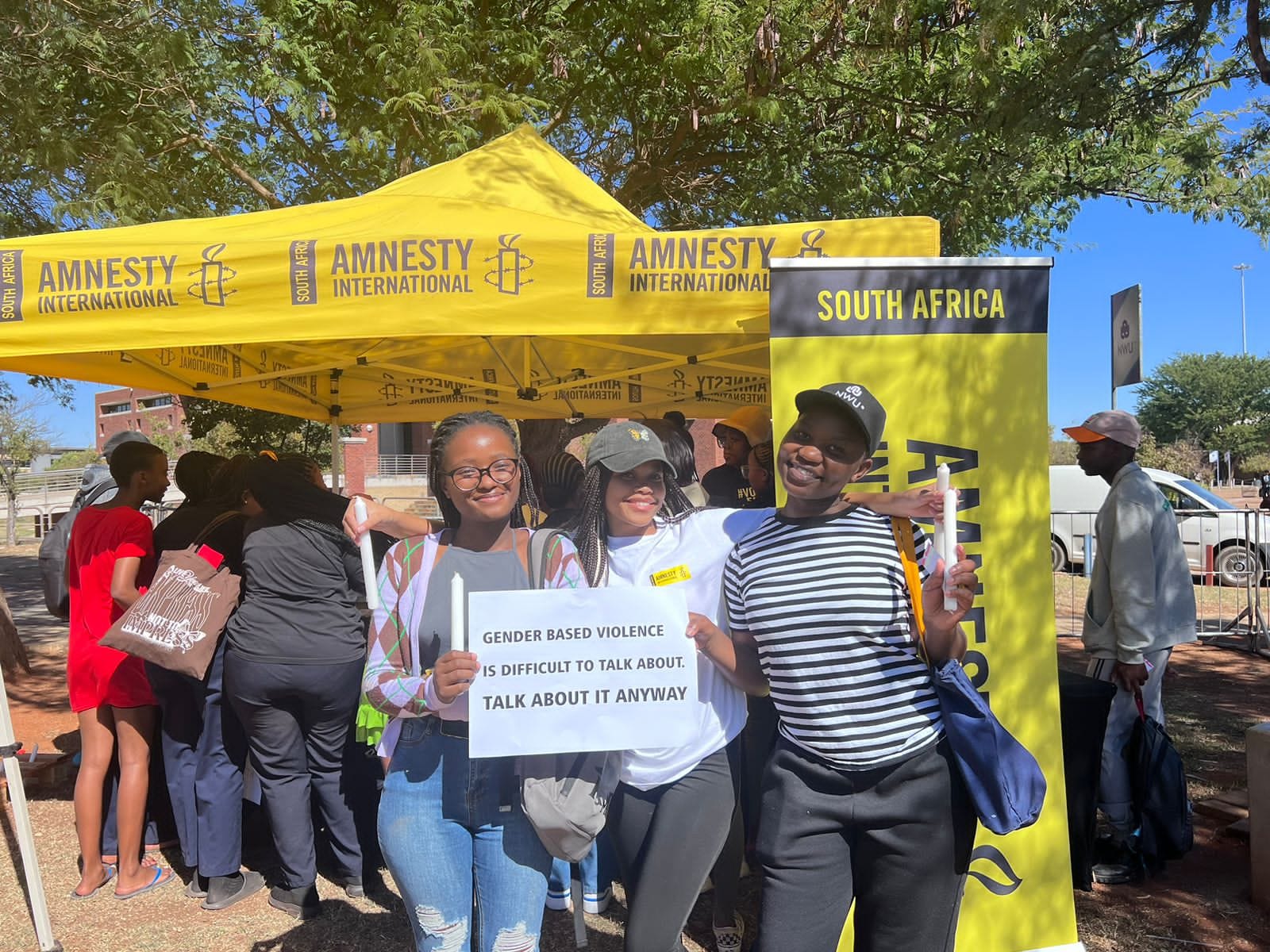
AI NW held a candle lighting ceremony on 7 May.
Katleho Modisadife, AI NW Chairperson said: “We achieved our desired impact because people took action during the candlelight activity. We were able to raise awareness and be in solidarity with the GBV survivors. We had an expectation of 100 supporters and managed to exceed our expectations with a total of 429 supporters.”
AI WALTER SISULU UNIVERSITY (BUTTERWORTH)
AI WSU in Butterworth held a sexual and gender-based violence (SGBV) hike on 19 April.
@amnestyinternational_wsu #amnestyinternational #Ibika #wsuibikaCHAPTER @Amnesty ZA @Amnesty 🕯 ♬ original sound - amapiano2024byrobs
AI Nelson Mandela University (NMU)
AI NMU held a pop-up event on 17 May.
YOUTH NEWS
Activate With Amnesty
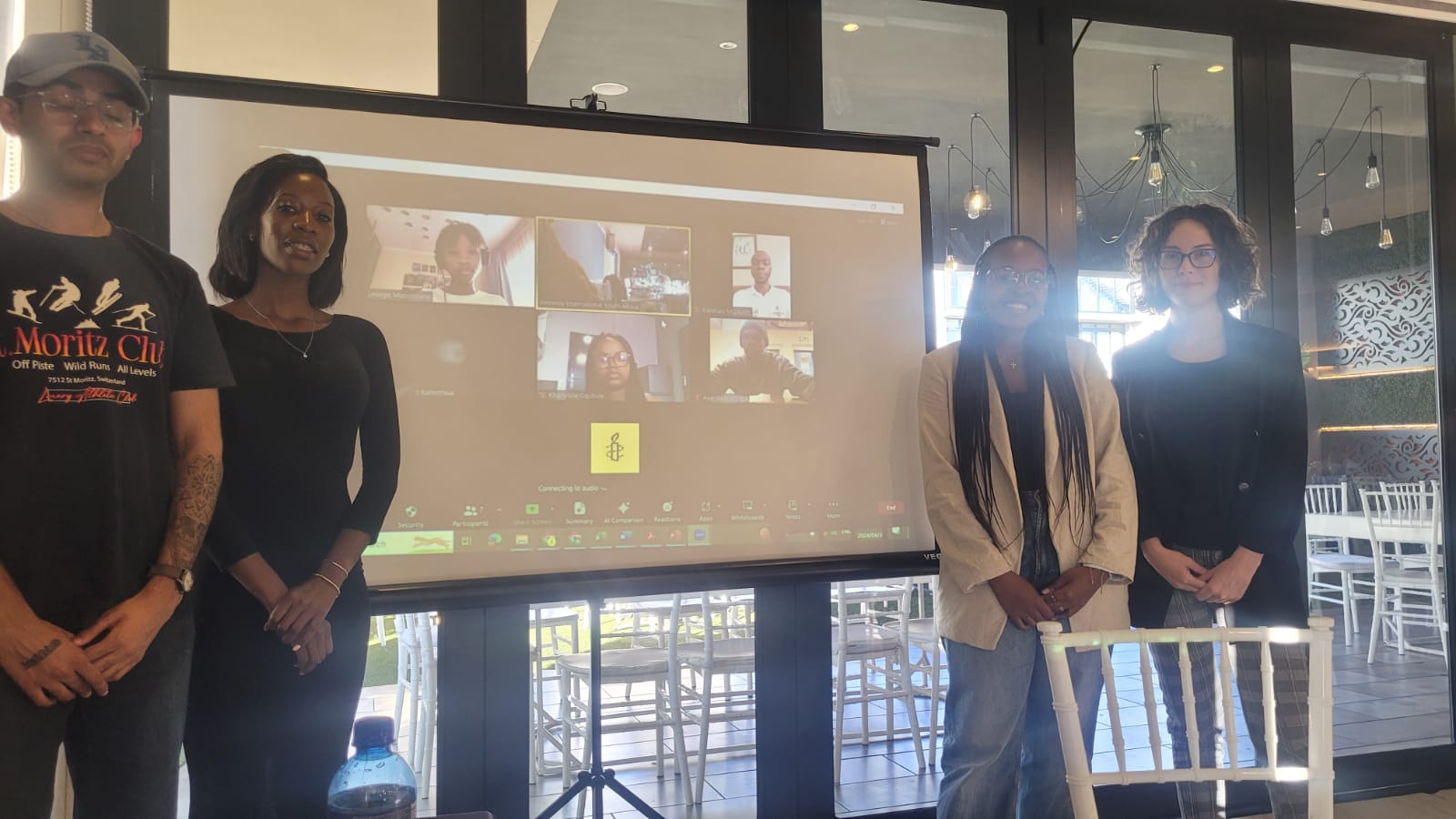
AISA hosted its first ever #ActivateWithAmnesty session on 30 April to promote volunteer action for the #VoteForHumanRights campaign.
We wanted to inspire attendees to get involved with Amnesty International South Africa and the campaign so that we continue to grow Amnesty International South Africa’s movement.
Partnership with the department of basic education
Amnesty International South Africa was invited to address the second annual Representative Council of Learners (RCL) Conference hosted by the Department of Basic Education in Benoni from 27 – 29 June.
Amnesty International supports schools and their wider communities in all regions of the world to build a global culture of human rights. Our model aims to empower young people and promote the active participation of all members of the school community to integrate human rights values and principles into all areas of school life.
Amnesty International South Africa’s Activisim Coordinator for Organising Rejoyce Motaung gave a speech at the conference on behalf of Executive Director Shenilla Mohamed.
Watch the speech below.
SOUTH AFRICA: SIGNING OF THE NATIONAL COUNCIL OF GENDER-BASED VIOLENCE AND FEMICIDE BILL A POSITIVE STEP, BUT IMPLEMENTATION IS KEY
Responding the signing of the National Council of Gender-Based Violence and Femicide Bill by President Cyril Ramaphosa, Amnesty International South Africa Executive Director Shenilla Mohamed said:
“Amnesty International South Africa welcomes the signing into law of the National Council on Gender-Based Violence and Femicide Bill. It is a positive step towards ensuring the effective roll out of the National Strategic Plan on Gender-based Violence and Femicide which was adopted in 2020.
“Now that the bill has become an Act, Amnesty International South Africa is urging the government to ensure that it is timeously, transparently and effectively implemented.”
Read the full statement here.
SOUTH AFRICA: AUTHORITIES MUST ENSURE PROTECTION FOR ABAHLALI HUMAN RIGHTS DEFENDER FOLLOWING INCREASE IN THREATS
Authorities must ensure that Abahlali baseMjondolo (AbM) activists are protected following threats made against another of its leaders, before one more human rights defender loses their life, Amnesty International South Africa said.
Former AbM General Secretary Nomsa Sizani has been facing death threats for the past few weeks. These escalated during the Easter weekend forcing her into hiding. The threats started after she allegedly questioned government officials who were in Ekukhanyeni in Mariannhill, KwaZulu-Natal, to speak to the community about a development.
The threats against Nomsa Sizani must be seen against the backdrop of a greater pattern of threats and killings of AbM members and leaders.
Read the full statement here.
ISRAEL/OPT: ICC APPLICATIONS FOR ARREST WARRANTS FOR NETANYAHU, SINWAR AND OTHER SENIOR ISRAELI AND HAMAS OFFICIALS CRUCIAL STEP TOWARDS JUSTICE
Responding to the application for arrest warrants by the Office of the Prosecutor of the International Criminal Court (ICC) against Israeli Prime Minister Benjamin Netanyahu and Israeli minister of defence Yoav Gallant, as well as Hamas leaders Yahya Sinwar, Mohammed Deif and Ismail Haniyeh, for war crimes and crimes against humanity committed in Israel and in the State of Palestine, specifically in the occupied Gaza Strip, from at least 7 October 2023, Shenilla Mohamed, Amnesty International South Africa’s Executive Director, said:
“No one is above international law: no leaders of armed groups, no government officials – elected or not, no military officials. Regardless of the cause they are pursuing, no one is above the law.
Read the full statement here.
SOUTH AFRICA: INCOMING GOVERNMENT MUST PRIORITISE HUMAN RIGHTS AND ENSURE A BRIGHTER FUTURE FOR THE YOUTH
The incoming government, no matter who it is, must prioritise and uphold human rights, ensuring a brighter future for the country’s youth, Amnesty International South Africa said on Youth Day.
“This day serves as a powerful reminder of the importance of safeguarding the rights and freedoms of the youth who are the cornerstone of our nation’s future,” Amnesty International South Africa Executive Director Shenilla Mohamed said.
“Thirty years after gaining independence, young people continue to confront significant challenges such as high unemployment, sexual violence, and inadequate access to quality basic education, among others. Since the youth represent the future of our nation, it is imperative to address these issues with dedicated focus.”
Read the full statement here.
.@DBE_SA’s latest stats show there are still 841 schools with pit toilets in the Eastern Cape. Deadlines to address this have been pushed back & missed for years. @GovernmentZA how many children must die before the eradication of pit toilets in schools? pic.twitter.com/6rwqeQHdwx
— @AmnestySAfrica (@AmnestySAfrica) April 23, 2024
Our latest report paints a dismal picture of global rule breaking as highlighted by Israel’s flagrant disregard for international law, as well as violations committed amid conflicts raging in Ethiopia, Myanmar, Sudan and Ukraine. Civilians are paying the ultimate price. pic.twitter.com/ygqZVVkqXN
— @AmnestySAfrica (@AmnestySAfrica) April 26, 2024
Justice delayed is justice denied. Victims and survivors off gender-based violence need to be heard and taken seriously at all levels of the justice system. #EndGBV #EnoughIsEnough @NPA_Prosecutes @SAPoliceService pic.twitter.com/46IsrO0NP4
— @AmnestySAfrica (@AmnestySAfrica) April 30, 2024
In 2017, Popi Qwabe and Bongeka Phungula headed for a night out. They were never seen again. It was discovered they were shot dead & dumped on the side of the road. They may have also been raped. 7 years later, no one has been convicted for their deaths due to lack of evidence. pic.twitter.com/B0ElFFEcdX
— @AmnestySAfrica (@AmnestySAfrica) May 13, 2024
Ahead of @PresidencyZA signing the #NHI Bill into law, @AmnestySAfrica reiterates its concerns that before taking this step, @GovernmentZA should first focus on strengthening the public health system, and addressing issues of corruption.
— @AmnestySAfrica (@AmnestySAfrica) May 15, 2024
In the second quarter of 2024, Amnesty International South Africa carried out 40 interviews on various topics.
On 3 April, Amnesty International South Africa Media and Communications Officer Genevieve Quintal spoke to Newzroom Afrika about the launch of the #VoteForHumanRights campaign
Watch the interview here.

On 9 April, Amnesty International South Africa Executive Director Shenilla Mohamed spoke to SAFM about the plight of human rights defenders in South Africa.
Listen to the interview here.
On 24 April, Amnesty International South Africa Campaigner Cassandra Dorasamy spoke to SABC TV News about the Annual Report.
Watch the interview here.

On 22 May, Shenilla Mohamed spoke to Newzroom Afrika about the application for arrest warrants by the Office of the Prosecutor of the International Criminal Court against Israeli Prime Minister Benjamin Netanyahu and Israeli minister of defence Yoav Gallant, as well as Hamas leaders Yahya Sinwar, Mohammed Deif and Ismail Haniyeh.
Watch the interview here.
On 19 June, Amnesty International South Africa Activism Coordinator for Organising Rejoyce Motaung spoke to eNCA on the commemoration of Youth Day and the importance ont he incoming government to ensure a brighter future for the youth.
Watch the interview here.

On 28 June, Cassandra Dorasamy spoke to eNCA about Amnesty International South Africa’s pit toilet campaign and the advert which was printed with ink made with human faeces taken from a pit toilet.
Watch the interview here.
Stop the crackdown on people in Kenya
Young Kenyans are protesting peacefully against the over taxation reform that the government wants to introduce. Kenyans are fighting for their basic rights and a decent life, but the government has replied with repression and extreme violence putting at risk the life of those who want a better future. Sign the petition now and demand a Judicial Commission of Enquiry into the violence leading up to and during 25 June.
Peaceful protest is a human right.
— Amnesty International (@amnesty) June 29, 2024
We are demanding an investigation into the cases of violence against peaceful protestors in #Kenya and calling on the authorities to immediately release all those arbitrarily detained.
Join us: https://t.co/y0TlcUsJBI ✊ pic.twitter.com/IXEhWEdEvr
Death Penalty 2023: Executions more than tripled in sub-Saharan Africa, as global executions soar to highest number in almost a decade
Recorded executions soared to their highest number in almost a decade in 2023 with a sharp rise across the Middle East and in Somalia, where executions increased by more than six times, Amnesty International said when it released its annual report on the global use of the death penalty
Globally, a total of 1,153 known executions took place in 2023, which does not include the thousands believed to have been carried out in China, marking an increase of more than 30% from 2022. It was the highest figure recorded by Amnesty International since 2015, when 1,634 people were known to have been executed.
In 2023, the sub-Saharan Africa region experienced a setback following progress made against the death penalty in the previous year. There was a surge in both recorded executions and recorded death sentences in the region in 2023, and no country has abolished the death penalty since 2022.
Read the full statement here.
Sudan: Public statement on the occasion of the Human Rights Council’s interactive dialogue with the Fact-Finding Mission on Sudan, during the Council’s 56th session
Amnesty International welcomes this week’s Human Rights Council dialogue with the Fact-Finding Mission (FFM) for Sudan. The conflict in Sudan continues to cause massive human rights, displacement, and humanitarian crises. Over 16,000 people have been killed since April last year, and nearly 9 million people displaced making Sudan the largest internal displacement crisis globally. Amnesty International joins 75 other organizations to call on the Council to extend the FFM’s mandate for at least one year to allow it to pursue its important work.
Read the full statement here.
EAST AND SOUTHERN AFRICA: JOURNALISTS TARGETED AMID ONGOING CRACKDOWN ON MEDIA
Authorities across East and Southern Africa continued to impose severe restrictions on the right to freedom of expression and media freedom over the past year, said Amnesty International on World Press Freedom Day.
The human rights organisation documented widespread intimidation, harassment and detention of journalists in countries throughout the region. Authorities continued to target and brutally crackdown on those who dared to report on corruption allegations and human rights violations.
“Threats to the right to freedom of expression and the media continued unabated across the East and Southern Africa region over the past year. Speaking out against or scrutinising government policies, actions or inaction, or publicly sharing information deemed damaging to the government carried the risk of arrest, arbitrary detention, or death,” said Tigere Chagutah, Amnesty International’s Regional Director for East and Southern Africa.
Read the full statement here.
A chance for Africa to counter the pitfalls of international criminal justice?
Since its inception, the project of international criminal justice has been marked by a striking indifference to the long historical record of atrocities perpetrated by the Western world against people of the Global South, and Africa in particular. More recent attempts to construct an ostensibly universal system of criminal justice through the establishment of the International Criminal Court (ICC) have also been marred by the persistence of Western impunity.
A draft treaty on crimes against humanity under discussion within the halls of the United Nations at present could offer an opportunity to address some of the prevailing critiques of the ICC frequently charged by Global South states. However, the voices of the Global South — and particularly African states — have been largely ambivalent or absent in the treaty discussions so far.
Read the full article here.
The decision of the Namibia High Court to overturn laws related to 'sodomy' and decriminalise consensual same sex-sexual conduct, is a victory for love, equality and human rights. pic.twitter.com/bMGhn3Z3yK
— Amnesty International (@amnesty) June 21, 2024
The African Union Peace and Security Council is currently discussing the situation in Sudan. Here is @Amnesty's statement. @AUC_PAPS @AUC_MoussaFaki @Rotengo2 @Bankole_Adeoye @KagutaMuseveni #KeepEyesOnSudan pic.twitter.com/LytxWiybWx
— Amnesty Eastern Africa (@AmnestyEARO) June 21, 2024
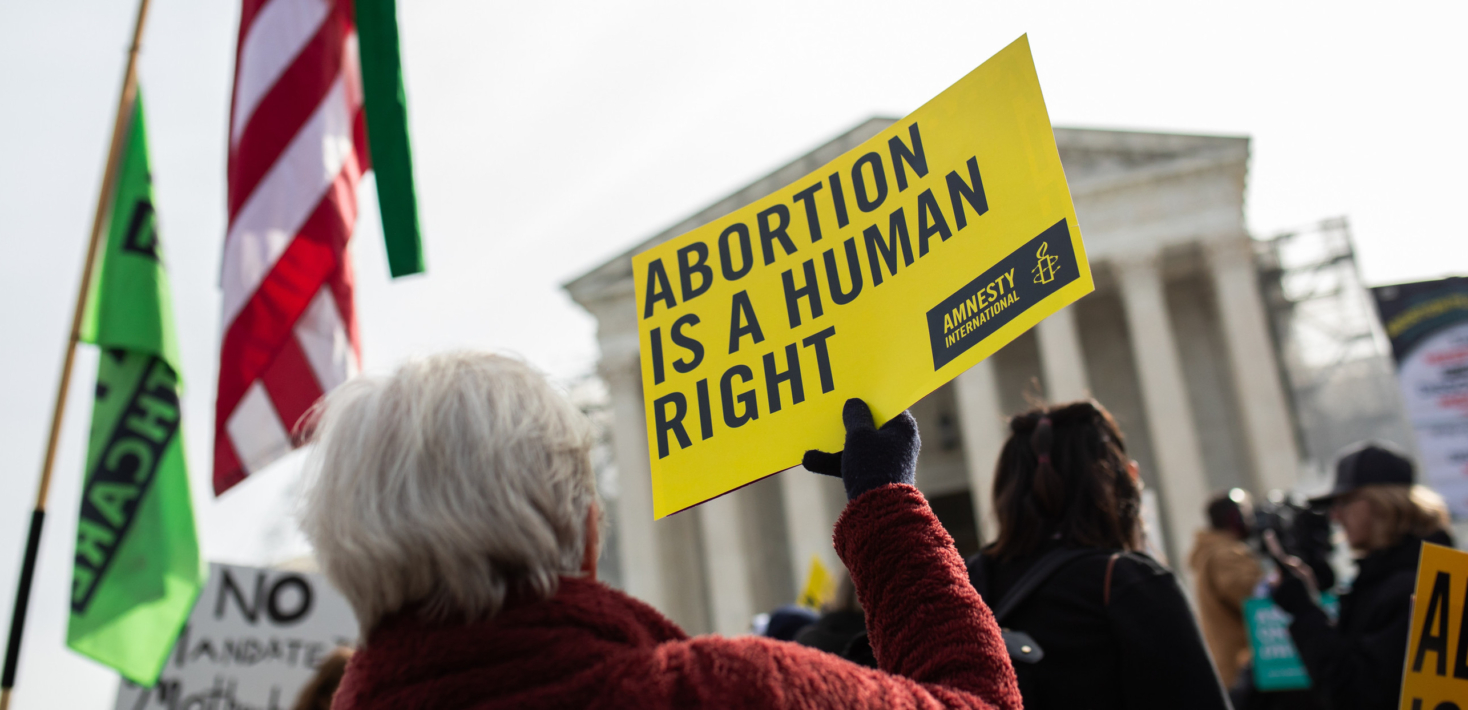
Global: Amnesty International launches new campaign on abortion rights
Amnesty International is launching a new campaign calling on people the world over to help make public support for abortion rights visible to all.
Over the past 30 years, huge strides have been taken in the fight for the right to abortion, with laws changing for the better in more than 60 countries. However, there is still much to be achieved, while progress remains under threat.
From Argentina and Benin to Ireland and France, visionary human rights defenders have secured major advances in the formal recognition of abortion rights. The anti-Taliban women’s protests in Afghanistan, the #MahsaAmini protests in Iran and the #GreenWave protests in Latin America are evidence too of extraordinary activist courage in claiming sexual and reproductive rights.
Today, however, the world is also witnessing mounting efforts to stymie that progress, to undo hard won gains and advance instead policies and laws that will deny millions of their sexual and reproductive rights.
Amnesty International’s ‘1000 Ways to Support Abortion Rights’ campaign, which launches today across the organization’s social media channels, offers engaging and influential ways for all to get onboard with efforts around the globe to resist rights erosion and protect the right to abortion.
Read more about it here.
Israel/OPT: Israeli air strikes that killed 44 civilians further evidence of war crimes – new investigation
The International Criminal Court should investigate as war crimes three Israeli air strikes that killed 44 Palestinian civilians, including 32 children, in the occupied Gaza Strip last month, Amnesty International said today.
The strikes – one on al-Maghazi on 16 April, and two on Rafah on 19 and 20 April 2024 – also injured at least 20 civilians, and are further evidence of a broader pattern of war crimes committed by the Israeli military in the occupied Gaza Strip in the last seven months.
These devastating strikes have decimated families and cruelly cut short the lives of 32 children.
said Erika Guevara-Rosas, Amnesty International’s Senior Director for Research, Advocacy, Policy and Campaigns.
“Our findings offer crucial evidence of unlawful attacks by the Israeli military as the Prosecutor of the International Criminal Court applies for arrest warrants for senior Israeli and Hamas officials, including Israeli Prime Minister Benjamin Netanyahu. As the Israeli military continues to escalate its ground incursion in Rafah, these cases also illustrate the urgent need for an immediate ceasefire.
“Despite growing calls to end arms transfers to Israel, a UN Security Council resolution ordering a ceasefire, and world leaders warning against the Israeli ground incursion into Rafah, the Israeli military has continued to escalate its operations, including these unrelenting attacks on civilians.
“The cases documented here illustrate a clear pattern of attacks over the past seven months in which the Israeli military has flouted international law, killing Palestinian civilians with total impunity and displaying a callous disregard for human lives.”
Read the full statement here.
Russia: Authorities punishing imprisoned anti-war critics and dissenters by denying family contact
Russia’s authorities are systematically denying arbitrarily imprisoned government critics contact with their families, Amnesty International revealed in a new report.
Using several emblematic cases, the report documents how authorities have exploited legal loopholes and fabricated pretexts to further isolate dissidents, including those imprisoned for speaking out against Russia’s invasion of Ukraine.
“These are not isolated practices being used by a few rogue officials. This is a deliberate strategy of the Russian government to isolate and silence dissenters and inflict further suffering on them and their families. All forms of contact – visits, phone calls, letters – are being curtailed,” said Natalia Prilutskaya, Amnesty International’s Russia Researcher.
Read the full statement here.
UK/USA: ‘Positive news’ as Julian Assange released from UK prison
Reacting to Julian Assange’s release from Belmarsh, a high security prison in the UK, Amnesty International’s Secretary General, Agnès Callamard, said:
“Amnesty International embraces the positive news that Julian Assange has finally been released from UK state custody after five years of imprisonment, and that this ordeal is coming to an end for him and his family.
“We firmly believe that Julian Assange should never have been imprisoned in the first place and have continuously called for charges to be dropped.
“The years-long global spectacle of the US authorities hell-bent on violating press freedom and freedom of expression by making an example of Assange for exposing alleged war crimes committed by the USA has undoubtedly done historic damage.
“Amnesty International salutes the work of Julian Assange’s family, campaigners, lawyers, press freedom organizations and many within the media community and beyond who have stood by him and the fundamental principles that should govern society’s right and access to information and justice. We will keep fighting for their full recognition and respect by all.”